
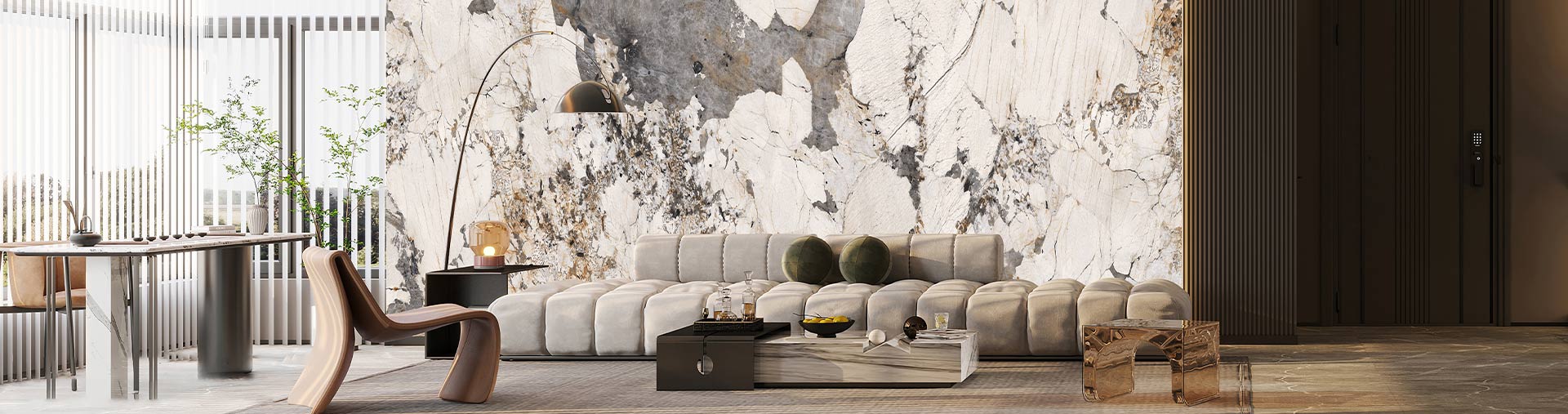
Mixing Wall Panels for Richer Interior Projects
2026-06-12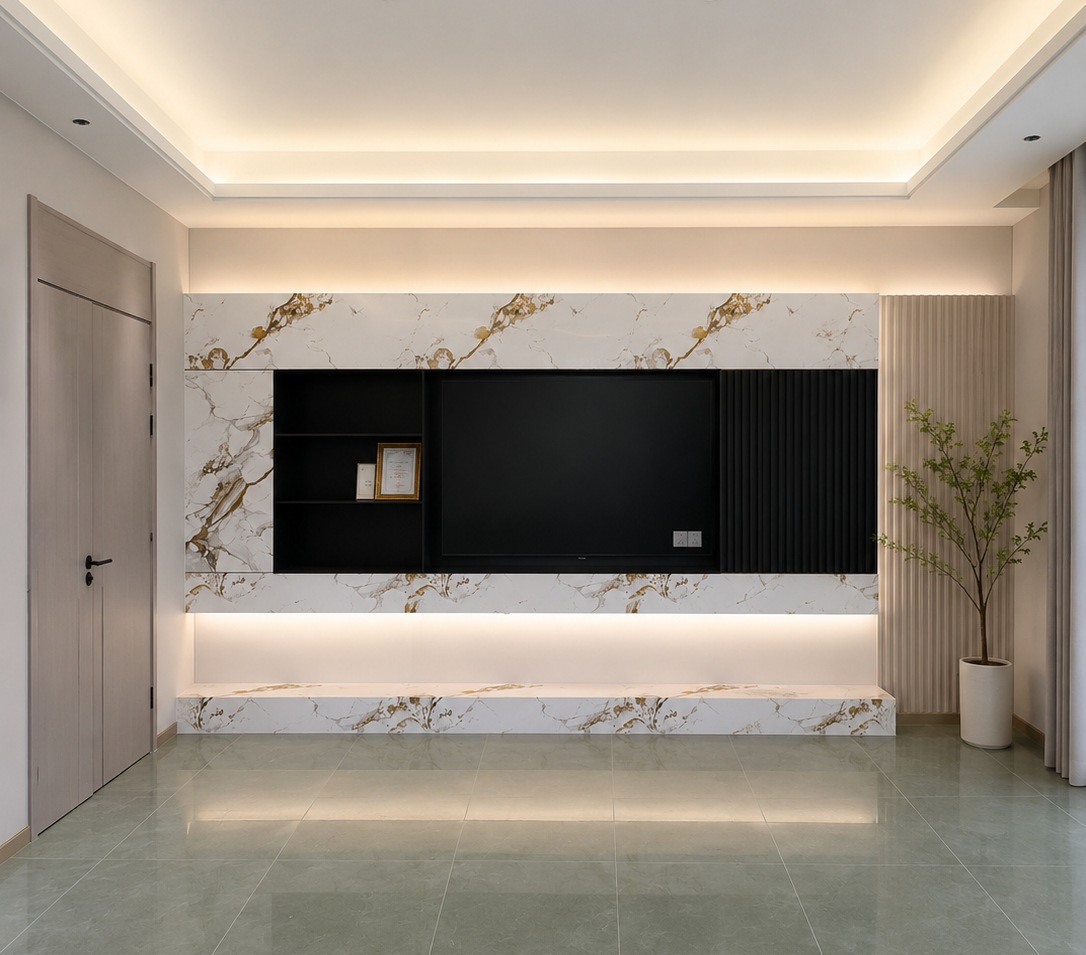
Mixing wood, stone, metal, and fabric wall panels can turn a plain room into a layered interior with depth, warmth, and a stronger project identity. The challenge is not whether these materials can be used together. They can. The real question is how to make them look planned rather than crowded.
In homes, hotels, apartments, offices, KTV rooms, restaurants, and retail spaces, mixed material wall panels are often used to guide attention. Wood wall panels make a room feel warmer. Stone pattern wall panels create a strong feature wall. Metal wall panels or metal trims add clean lines and a premium touch. Fabric texture wall panels soften areas where people rest, talk, or stay for a longer time. When the balance is right, the wall panel design feels natural, not forced.
Why Do Mixed Material Wall Panels Work So Well?
Modern interiors rarely depend on one surface only. A room with painted walls, hard flooring, plain ceilings, and standard lighting may be neat, but it can feel flat. Wall panels add another layer. Different materials bring different moods, so the designer can shape how people feel in each part of the space.
Wood Brings Warmth and Rhythm
Wood wall panels are often the easiest starting point. They work well behind beds, along corridors, beside wardrobes, around reception areas, and on living room feature walls. A light oak tone can make a small apartment brighter. A walnut-style surface can give a hotel bedroom a calmer, richer look.
In a 12 to 18 square meter bedroom, one wood grain feature wall behind the bed is often enough. Add two side lights or a soft light strip, and the wall gains depth at night without adding heavy decoration.
Stone Pattern Panels Build the Main Focus
Stone pattern wall panels are useful when a project needs a clear visual center. They fit TV walls, lobby backdrops, reception counters, lift hall walls, restaurant entrances, and private room backgrounds. A marble-look or slate-look wall can make the space feel more finished, especially when paired with wood or metal.
Stone should usually take the role of a focal surface, not every surface. If the stone texture is strong, the surrounding wall panels should stay quieter.
Metal and Fabric Add Contrast
Metal wall panels and metal trims are best when used with control. Thin metal lines, edge trims, ceiling details, and vertical strips can make a wall panel system look sharper. Fabric texture wall panels move in the opposite direction. They add softness, a more private mood, and a warmer touch for bedrooms, lounges, KTV rooms, hotel rooms, and meeting areas.
This contrast is what makes mixed wall panel design useful. The hard materials create structure. The soft textures make the room feel livable.
How Should One Dominant Material Be Chosen?
A good mixed material wall panel project starts with one main material. Without a main material, every surface competes for attention. The room may look expensive at first glance, but it can also feel busy after a few minutes.
Use a Simple 60 30 10 Rule
A practical way to plan wall panel combinations is to divide the surface by visual weight, not only by square meters.
| Material role | Suggested share | Best use |
| Main wall panel material | 60% | Background walls, large areas, repeated rooms |
| Secondary texture | 30% | Feature wall, headboard wall, counter wall |
| Accent material | 10% | Metal trim, narrow strips, light details |
For a hotel guest room, wood wall panels may cover the main bed wall and side surfaces. Fabric texture wall panels can sit behind the headboard. Metal trim may appear as slim lines beside lighting. For a commercial lobby, stone pattern wall panels may become the main feature, while wood and metal support the overall style.
Match the Material to the Room Function
A bedroom needs comfort. A lobby needs a strong first impression. A restaurant needs atmosphere and easy maintenance. An office reception area needs a clean professional look. The main wall panel material should fit that function first.
For example, using glossy stone across a full bedroom may feel too cold. Using soft fabric texture panels across a busy restaurant corridor may be harder to maintain. The best material choice begins with daily use.
How Can Wood and Stone Wall Panels Be Combined?
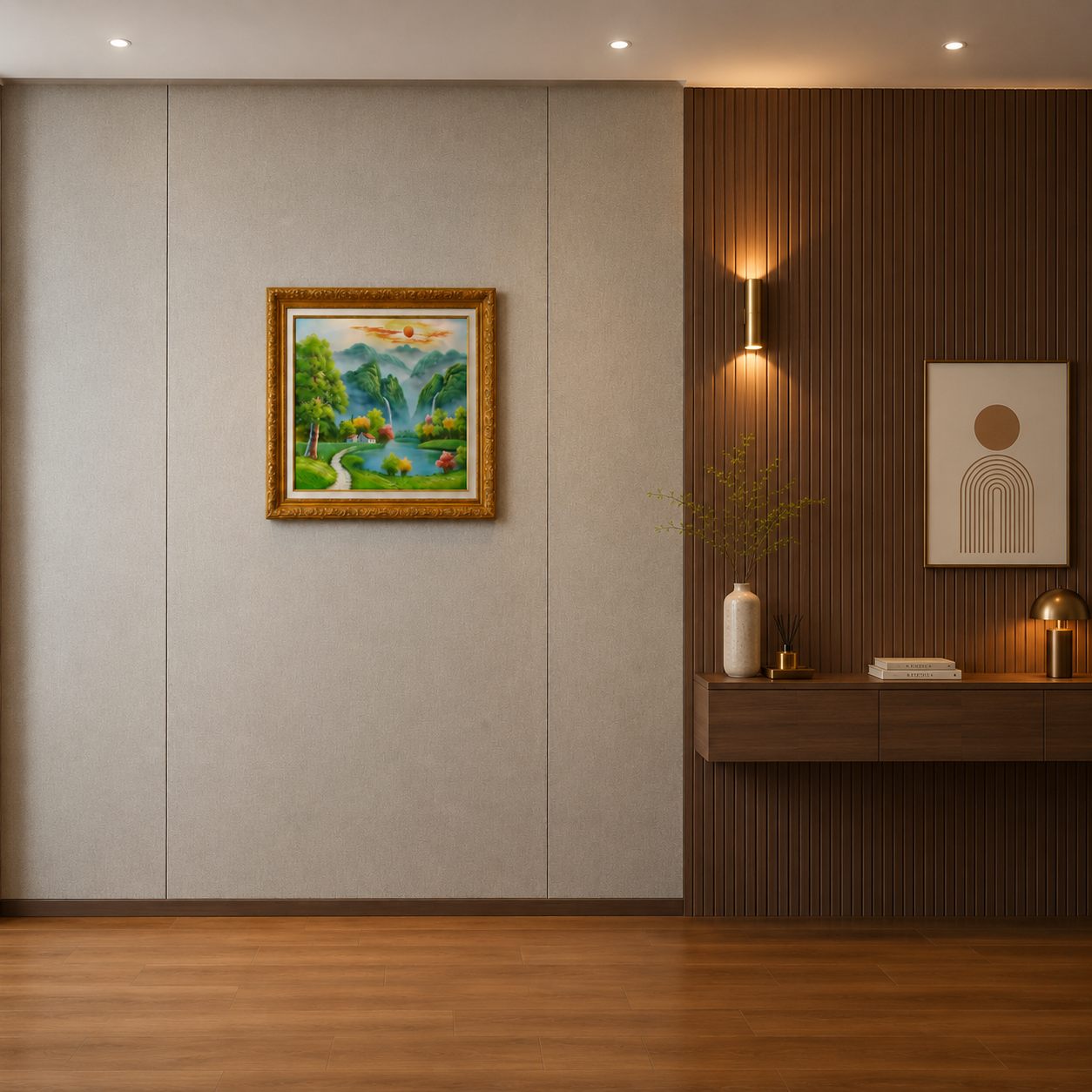
Wood and stone wall panels are one of the most useful combinations because they balance warmth and strength. Wood reduces the cold feeling of stone. Stone gives wood a more solid, premium anchor.
Use Stone as the Feature Wall
A stone feature wall works well behind a TV, behind a reception desk, at the end of a corridor, or in the center of a hotel lobby. It should be placed where people naturally look first.
In a living room, a marble-look wall panel can sit behind the TV, while wood wall panels continue along the side walls or storage zones. This makes the wall feel complete without making the stone too dominant.
Use Wood to Connect the Space
Wood wall panels can run across nearby walls, wardrobe areas, door surrounds, ceiling drops, or side panels. This helps connect separate surfaces into one design system. In apartment projects and hotel rooms, this kind of repeatable wood tone also makes multiple rooms look consistent.
A common mistake is choosing a very active wood grain beside a very active stone grain. One of them should stay calm. If the stone has bold veins, the wood should be simple. If the wood has a strong grain, the stone should be more balanced.
Keep Undertones Close
Warm wood works well with beige, cream, travertine-look, and warm grey stone patterns. Grey wood or dark walnut can work with slate, black stone, cement-style walls, and black titanium metal lines.
The safest palette for many projects is three to four main tones: one wood tone, one stone tone, one soft neutral, and one metal finish.
Where Should Metal Wall Panels or Metal Trims Be Used?
Metal brings edge and precision to interior wall panel design. It is often more effective as a detail than as a large surface. Too much metal may make a room feel cold, especially in bedrooms or small apartments.
Use Metal to Draw Clean Lines
Metal trims can frame a stone feature wall, divide wood wall panels, finish outside corners, outline ceiling drops, or hold light strips. In commercial spaces, they help the wall look more complete and easier to read from a distance.
In KTV rooms and hotel lobbies, metal lines can add a sense of luxury without taking over the whole wall. In offices and retail stores, slim black, silver, or champagne metal details can make the design look more professional.
Repeat One Metal Finish
Mixing too many metal colors in one room can make the wall look broken. It is better to select one metal finish and repeat it in several small places. For example, champagne metal trim can appear near the stone wall, around the door frame, and in the ceiling line. Black metal can match lighting tracks, furniture legs, and wall panel grooves.
This kind of repetition helps mixed wall panel design feel planned.
How Do Fabric Texture Wall Panels Soften the Interior?
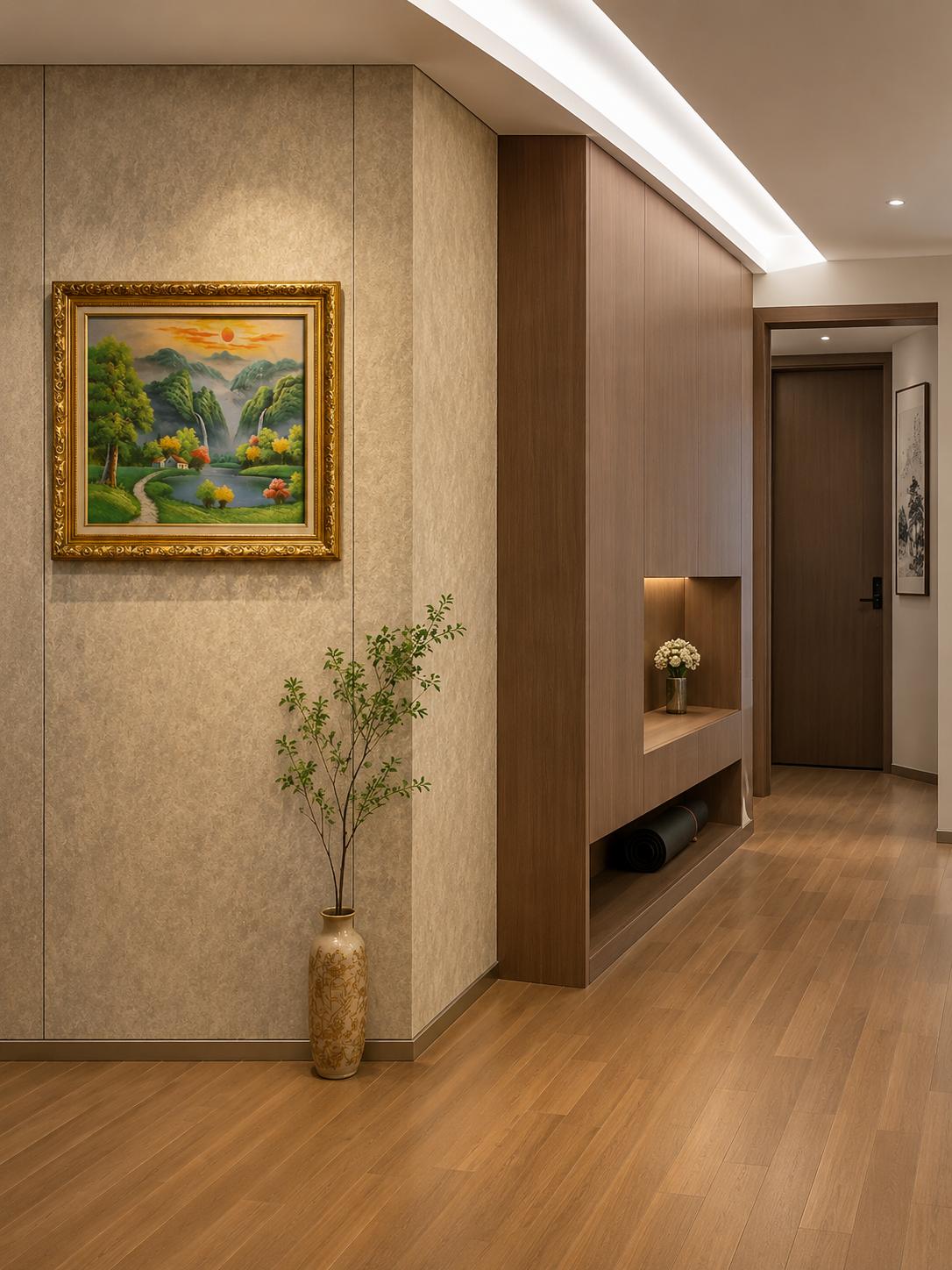
Fabric texture wall panels are useful in places where people sit, rest, talk, or stay for a long time. They do not need to cover a full room. A small area can change the mood.
Use Fabric Texture in Resting Areas
Bedroom headboard walls, hotel guest rooms, KTV private rooms, lounge corners, meeting rooms, and salon waiting areas can all benefit from soft texture wall panels. The surface brings a warmer visual feeling than stone and a gentler effect than metal.
In a bedroom, a fabric look wall panel behind the bed can be paired with wood panels on both sides. The result feels calmer than using stone behind the bed. In a KTV room, fabric texture panels can help balance marble patterns, metal lines, and light effects.
Pair Fabric With Wood for Comfort
Fabric texture wall panels and wood wall panels often work well together because both feel warmer than stone or metal. A headboard wall may use fabric texture in the center, with wood grain panels on the left and right. This layout can make the bed area look like a built-in feature, not just a piece of furniture against a wall.
For compact rooms, lighter fabric tones are safer. Dark fabric texture panels can look elegant, but they need enough lighting and space.
What Design Details Keep Different Wall Panels Connected?
Mixed material wall panels need clear rules. Color, texture direction, panel joints, lighting, and installation details all affect the final result. A good design can fail if the seams are badly placed or if the materials meet without proper trims.
Plan Color Before Texture
Color should come before pattern. A project may use wood grain, stone pattern, metal, and fabric texture, but the colors should sit in the same family. Warm beige, light oak, soft grey, and champagne metal can work together. Black stone, walnut wood, dark fabric, and brushed black metal can also work together if the lighting is strong enough.
The easiest way to test the palette is to place samples under the actual site lighting. Morning daylight, warm hotel lighting, and cool office lights can make the same panel look different.
Control the Gloss Level
Glossy stone pattern panels can look good as a feature wall. Matte wood wall panels and fabric texture panels help reduce glare. Metal can act as a small reflective detail. If every surface is glossy, the room may feel noisy. If every surface is matte, it may feel too flat.
The right balance usually comes from one stronger surface and several quieter surfaces.
Treat Seams as Part of the Design
Panel joints, trims, corners, and light grooves should be marked early. Before installation, the base wall should be dry, clean, stable, and flat. The wall height, panel direction, socket positions, lamp height, and ceiling lines should be checked before cutting.
For inner and outside corners, metal trim or groove treatment can make the transition cleaner. For arched areas, careful cutting at close intervals can help the panel follow the curve. These small site details decide whether a wall panel project looks custom-made or unfinished.
Best Room Ideas for Mixed Wall Panel Design
Different rooms need different material ratios. The same four materials can create a warm home, a sharp office, or a bold entertainment space, depending on placement.
Living Room Wall Panel Design
A living room often works best with a stone pattern TV wall, wood side panels, and slim metal trim. Fabric can appear through nearby soft panels, seating, or a small wall section near the lounge area.
Best mix:
Stone pattern wall panels for the TV feature wall
Wood wall panels for side walls or storage zones
Metal trims for vertical lines and edges
Fabric texture panels for soft seating corners
This layout gives the room a clear center while keeping it comfortable.
Bedroom Wall Panel Design
Bedroom wall panels should feel calm. Fabric texture panels can sit behind the bed, while wood wall panels frame the headboard. If stone is used, keep it small or choose a soft stone pattern. Metal should stay thin and quiet.
For hotel bedroom projects, repeated panel tones, fixed lamp positions, and controlled joint spacing help every room look consistent.
Hotel, KTV, and Commercial Interiors
Hotels need durable surfaces and a strong first impression. Stone pattern wall panels work well in lobbies and lift halls. Wood wall panels suit guest rooms and corridors. Fabric texture panels fit lounges, private rooms, and headboard walls. Metal wall panels or trims can lift the sense of detail in VIP areas.
KTV rooms can carry stronger contrast. Fabric, marble-look patterns, metal lines, and lighting can work together when each functional area has a clear role.
Offices, Showrooms, and Retail Spaces
Offices often need a clean and reliable image. Grey stone, warm wood, and black or silver metal details work well around reception areas. Retail spaces can use stone pattern walls for display zones and wood panels for warmer customer areas. Showrooms can use mixed wall panel materials to show design range while keeping the layout easy to walk through.
Common Mistakes When Mixing Wall Panel Materials
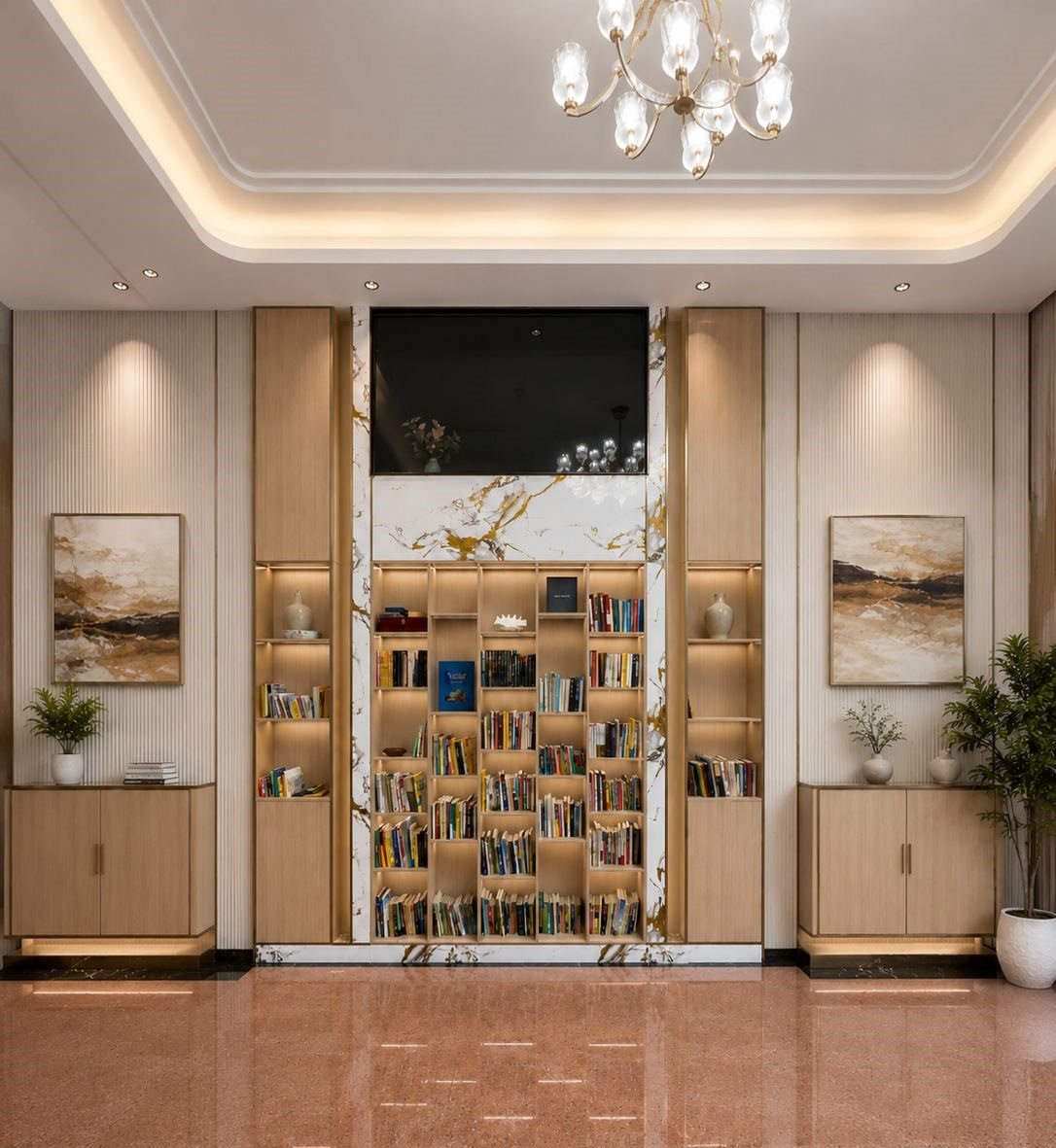
A mixed wall panel project fails most often because too many strong ideas appear in one area. The wall may have expensive materials, but the result still looks restless.
Too Many Strong Textures on One Wall
Bold wood grain, strong stone veins, reflective metal, and dark fabric should not all sit on the same wall. Pick one strong surface. Let the others support it.
No Clear Main Wall
Every room needs a visual center. In a living room, it may be the TV wall. In a hotel lobby, it may be the reception backdrop. In a bedroom, it is usually the headboard wall. Without a main wall, the room can feel scattered.
Poor Edge and Corner Planning
Wall panel installation details matter. If corners, trims, grooves, and remaining wall sizes are handled late, the final surface may show awkward cuts. Contractors should confirm panel direction, wall size, joint location, and trim method before cutting begins.
Choosing Only by Photo
A sample board under real lighting is more useful than a product photo. Buyers should check surface color, texture depth, gloss level, thickness, edge finish, and cleaning needs before bulk orders.
Foshan Sincere Building Materials Co., Ltd. as a Wall Panel Supplier
Foshan Sincere Building Materials Co., Ltd. is based in Foshan, China, a city known for building decoration materials. The company works with indoor and outdoor wall and floor materials, including wall panels, tiles, SPC flooring, flexible stone, WPC flooring, and outdoor wall products. This wide product range is useful for contractors, distributors, designers, and project buyers who need more than one surface material for the same project.
As a wall panel supplier, Sincere offers different decorative directions, including wooden, stone pattern, metal, fabric texture, and indoor WPC fluted wall panel options. This helps buyers create coordinated interiors for bedrooms, hotel rooms, corridors, private rooms, offices, retail areas, and commercial projects. The company also supports overseas markets, project communication, and product selection across different application needs.
For buyers planning mixed material wall panels, working with a supplier that covers several related surface categories can reduce style mismatch, sample confusion, and procurement time. It also makes it easier to compare textures, finishes, and installation details before the project moves to bulk purchase.
Conclusion
Mixing wood, stone, metal, and fabric wall panels is not about using every material everywhere. It is about giving each material a clear job. Wood adds warmth. Stone creates focus. Metal sharpens the lines. Fabric texture softens the space. When the main material, color palette, surface gloss, joint layout, and lighting are planned together, mixed material wall panels can make homes, hotels, offices, KTV rooms, restaurants, and retail spaces feel more complete.
A good wall panel design starts with the room’s function. The next step is choosing the right material ratio. After that, installation details decide whether the final wall looks smooth, practical, and ready for long-term use.
FAQs
Can wood, stone, metal, and fabric wall panels be used in the same room?
Yes. These wall panels can be used in the same room when one material takes the main role and the others act as support. A common choice is wood as the main background, stone as the feature wall, metal as trim, and fabric texture in softer areas.
What is the best wall panel combination for a living room?
A practical living room wall panel combination is stone pattern wall panels for the TV feature wall, wood wall panels for the side areas, and metal trim for clean lines. This mix gives the room a strong center without losing warmth.
Are fabric texture wall panels suitable for commercial interiors?
Yes. Fabric texture wall panels are suitable for hotel rooms, KTV rooms, lounges, meeting areas, salons, and private dining spaces. They help soften hard surfaces and make the interior feel more comfortable.
How can a mixed wall panel design avoid looking messy?
Limit the color palette, choose one dominant wall panel material, repeat the same metal finish, and plan panel joints before installation. Strong textures should be used with care, especially in small rooms.
What should buyers check before ordering interior wall panels?
Buyers should check samples under real lighting, panel thickness, surface texture, fire and cleaning needs, batch color consistency, installation method, trim details, packing, delivery time, and after-sales support.


