
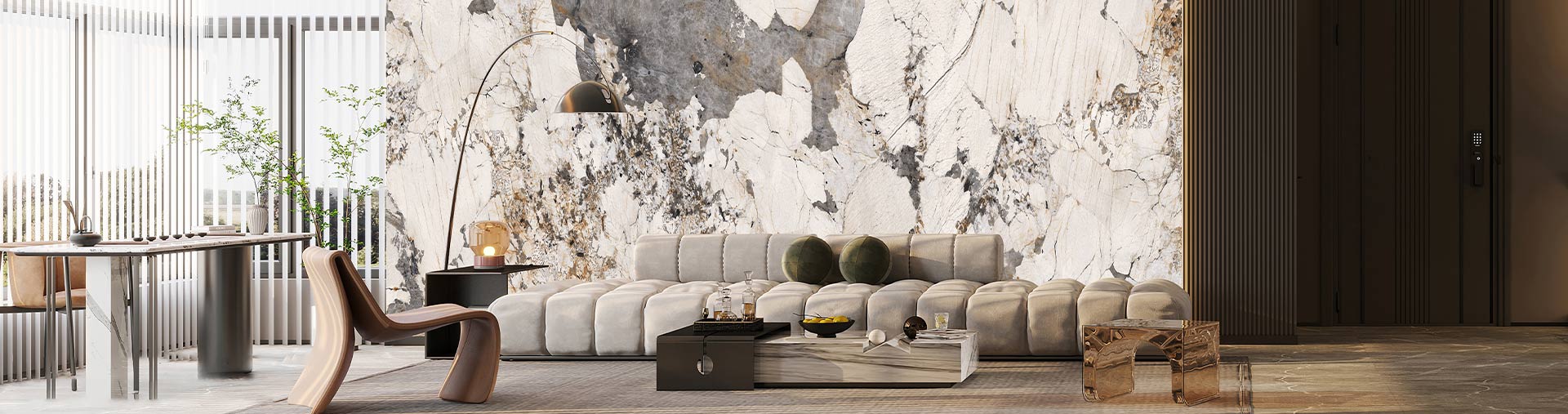
Flexible Stone Cladding for Hot Climate Villas
2026-06-11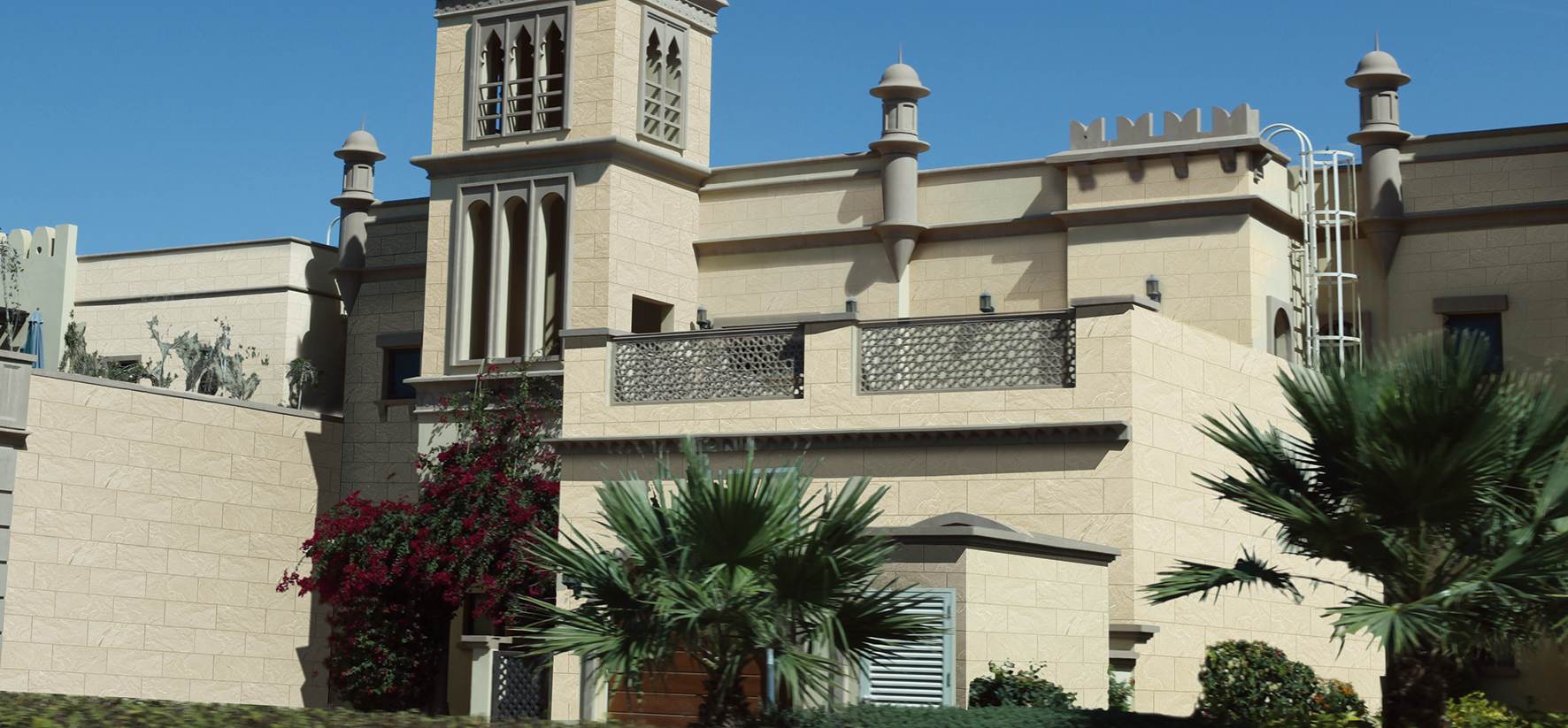
The facade of a modern villa can get old before the building itself is really old. In the first place paint can chalk and in the case of very heavy stone even the weight of the wall and the labor involved in building it can be a problem. Some of the light relief decorative panels can lose their color, they can even become misshapen or too artificial for a quality residence like a villa. In hot and sunny countries the outside wall of a villa has to do more than merely look good on the first day.
An alternative to traditional cladding for a villa is to use flexible stone exterior wall cladding. The material has a very rough, natural texture, but is extremely thin and lightweight, making it an ideal material for building a strong facade, without the weight of traditional stone slabs, ideal for regions with high heat, dry wind, sand and long hours of direct sunlight.
Why Do Villas in Hot and Sunny Regions Need Better Wall Cladding?
Exterior walls of a villa in warm climates are subjected to more severe conditions on a daily basis than most people are aware of. In addition to being exposed to the wall surface is subjected to sun, dust, wind, rain and temperature variations on a regular basis throughout the year. A material that is used on an internal feature wall may not be suitable for use on the external south facing façade of a desert, coastal or tropical property.
Common exterior wall problems in hot climates
In hot suns around the world the most common problems for floors are fading, cracking, hollowing, dirt staining, and water staining. The floor can expand during the day and contract at night. If the product has poor adhesive characteristics this movement can pull the finish away from the floor and create problems. Also during this contraction and expansion at night and day corners and joints can develop lines and become apparent.
For a villa problems of this kind are not purely technical in nature, for they can affect the appearance of the property. It is all too easy to fail to notice a faded entrance wall or cracked column cladding until it is too late and the problem has caused serious damage to the property’s main structure.
What villa owners and contractors usually want
Most villa projects look for exterior wall cladding that provides several functions.
- Natural stone look with modern architectural style
- Better color stability under strong sunlight
- Lower wall load than thick stone slabs
- Faster installation for large exterior areas
- Good waterproof and fireproof performance
- Lower maintenance after handover
- Flexible use on facades, columns, arches, and garden walls
Flexible stone cladding also opens up further opportunities. Traditional stone can be difficult to cut, transport and fix to non-flat areas of a building. But flexible stone cladding can be fixed to any number of shaped building surfaces.
What Is Flexible Stone Exterior Wall Cladding?
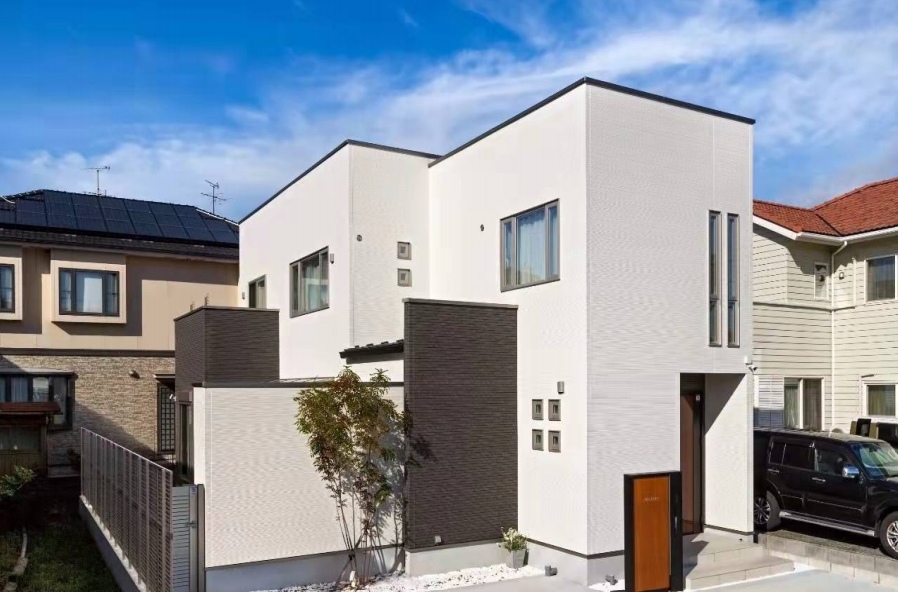
Flexible stone is a soft stone covering for walls, ceilings, facades and all surfaces that can be shaped. It is different from ceramic tiles and thick natural stones like marble or granite. The covering is very thin, flexible and lightweight. Flexible stone is easy to work with and it produces a stone-like surface.
How flexible stone differs from traditional stone
Traditional stone slabs are very strong and also very beautiful but can be very heavy which means more labor, more support, special cutting tools and careful fixing. Installing them on a tall facade of a villa can become very costly.
Flexible stone veneer exterior building materials are very light weight. In fact a typical sheet of Flexible stone veneer is only 3–5mm thick and weighs only 3–6KG per square meter. This makes Flexible stone veneer materials ideal for transport, handling and wall application. For large projects such as bulk villa construction, resort development and residential renovations, Flexible stone veneer is perfect.
Lighter formats put less pressure on the building face and therefore can be used for new builds, for renovation work, for second storey walls, for details like columns, and for feature work on the exterior. Thin stone formats are far too heavy, too expensive, or too slow to be used for these kinds of applications.
Why the natural stone look matters for villas
A villa generally has a more refined appearance than a house, so the external appearance of a building using flat paint can be very plain. Also, as the number of panels generally used on the exterior of a house is higher than that of a villa, they can appear to be repetitive. In contrast, natural stone look wall panels have depth, create shadow and texture to the appearance of a building.
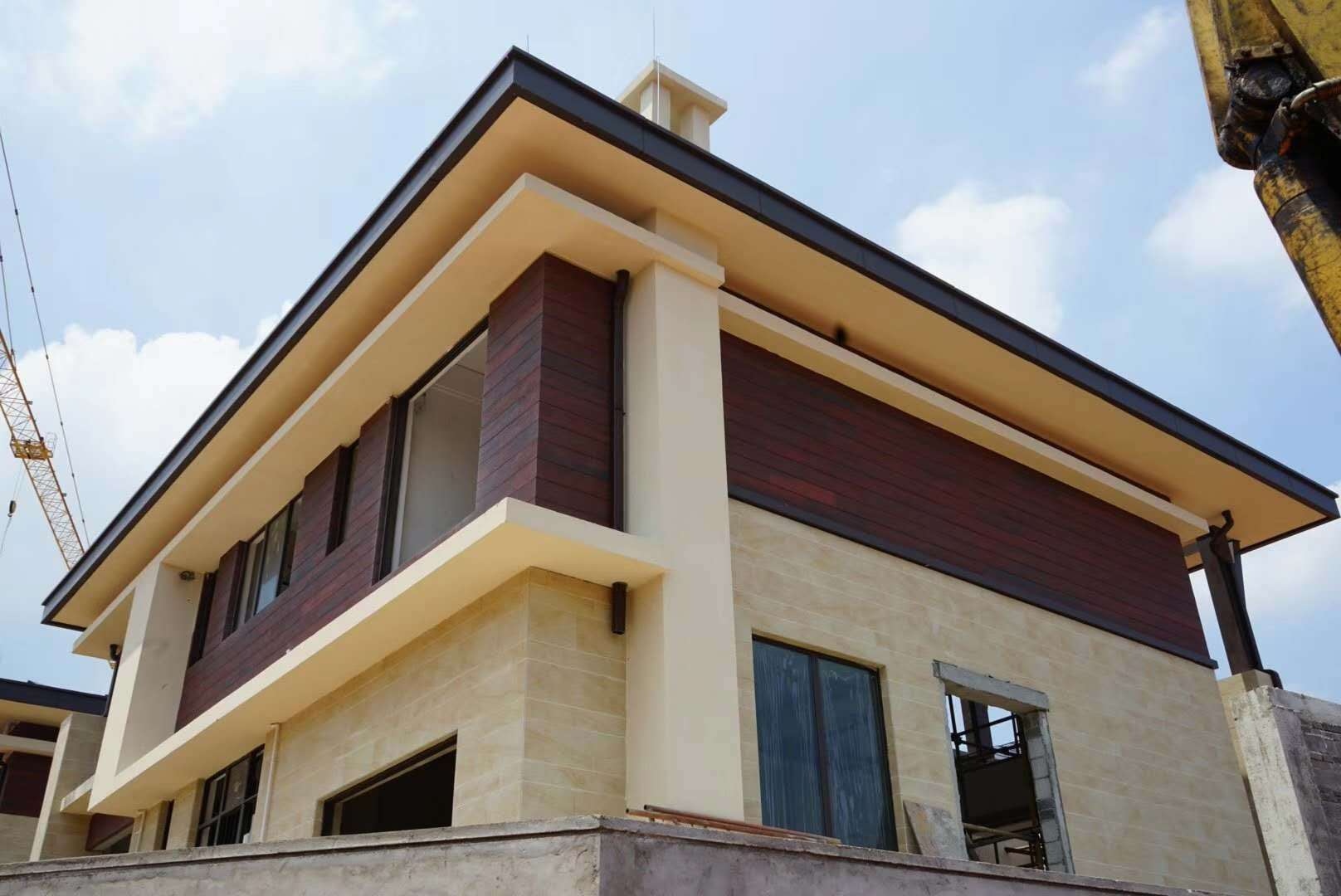
We are able to create flexible stone in a number of different finishes that mimic stone, travertine, wood and concrete and these can be used to create layered facade designs for our villas. A light stone finish such as a light beige would be suitable for the majority of the walling and then a darker wood finish could be used for the feature around the entrance, this type of feature on a modern design of villa helps to give strong clean lines to the property.
Is Flexible Stone Suitable for Strong Sunlight?
Of course, hot weather is not the only factor that influences the external cladding of a house. Other relevant factors include exposure to sunlight, UV radiation, dry weather, sand and external dirt. The best villa facade is one that remains unchanged on the outside for as long as possible and does not require excessive coating with paint in order to maintain its appearance.
UV resistance and color stability
For sunny climates, first of all, look for UV resistant wall cladding. This type of flexible stone has no fading performance. Above all, it keeps your façade clean for longer. That’s especially important for wide walls, higher floors and the entrance areas which are exposed to the sun for several hours a day.
Your choices of color also have very important implications. Dark colored surfaces absorb heat, mark easily with dust and show up dirt. In areas of the world with hot weather, there are certain colors that are easier to maintain than others. Some of the more premium-looking colors that don’t mark as easily as deep black or heavy-gloss-colored surfaces and don’t show up dirt as quickly are: Beige, Travertine, Sandstone, Light Gray and Warm Colored Stone.
Surface cleaning and long-term appearance
A facade of a villa does not need to be cleaned as frequently as an indoor wall. In dry, sandy or at the coast marks of dust and rain are likely to accumulate quickly on a facade. With the self-cleaning flexible stone these marks of dirt on the surface will be clearly reduced and maintenance will be easier in the long term.
The non-reflective stone texture of the stone gives the building a non-reflective matte finish. This soft, rustic surface looks great even in bright sunlight. As opposed to glossy tiles and highly polished surfaces that can give a very harsh and glare prone look, this finish is far more comfortable to be around when near courtyards, pools and front entrances.
What Benefits Does Flexible Stone Bring to Villa Exterior Walls?
A building cladding system is most effective when it addresses functional requirements of construction in addition to aesthetic qualities of design for a building. For hot climate countries where many of our Stone Projects villas are located, a major value of Flexible stone exterior wall cladding is weight, safety of use, ease of installation and its surface performance.
Lightweight construction reduces wall load
Many aspects of an exterior wall system are affected by weight. A lighter cladding will make for an easier installation as it will be lighter to transport, easier to cut and be under less pressure on the walls and columns below as well as the upper floor structures above. A contractor building a two storey villa could be moving all the materials around the site with the work of just a few people. A team of renovators could be covering an old painted wall without having to add the weight of stone. A developer sourcing all the materials for many villas could be reducing the freight pressure on himself for that large order.
Fireproof and waterproof properties support outdoor use
External cladding of villas need to perform two functions: to protect from heat and to protect from water. Even countries in the world that are hot can have a lot of rain, be near the coast and thus exposed to moisture or have a garden with irrigation pipes running near the boundary walls. Thus the waterproof flexible stone panels can be used for external wall protection by choosing the most suitable adhesive, joint treatment and edge sealing.
Fireproof flexible stone panels are also important for residential projects such as hotels, resorts, and private villa communities. The A2-level fire resistance is a further point of interest for buyers comparing different decorative wall materials for commercial or high-end residential applications.
Flexibility helps with columns, arches, and curved walls
Modern villas are not just constructed from flat walls. Tall entrance columns, curved walls to gardens, arched doorways, detailed balconies and even simple frames are all typical details. Such details can be very expensive to finish in natural stone, because of the waste generated when cutting and the difficulties of working around corners.
The flexible stone cladding is being used for the complex-shaped building decoration. It can be applied to the columns, to the door and window frames and it can follow curved surfaces. This is probably one of the biggest advantages of this material for a villa facade cladding.
Where Can Flexible Stone Be Used on Villa Exteriors?
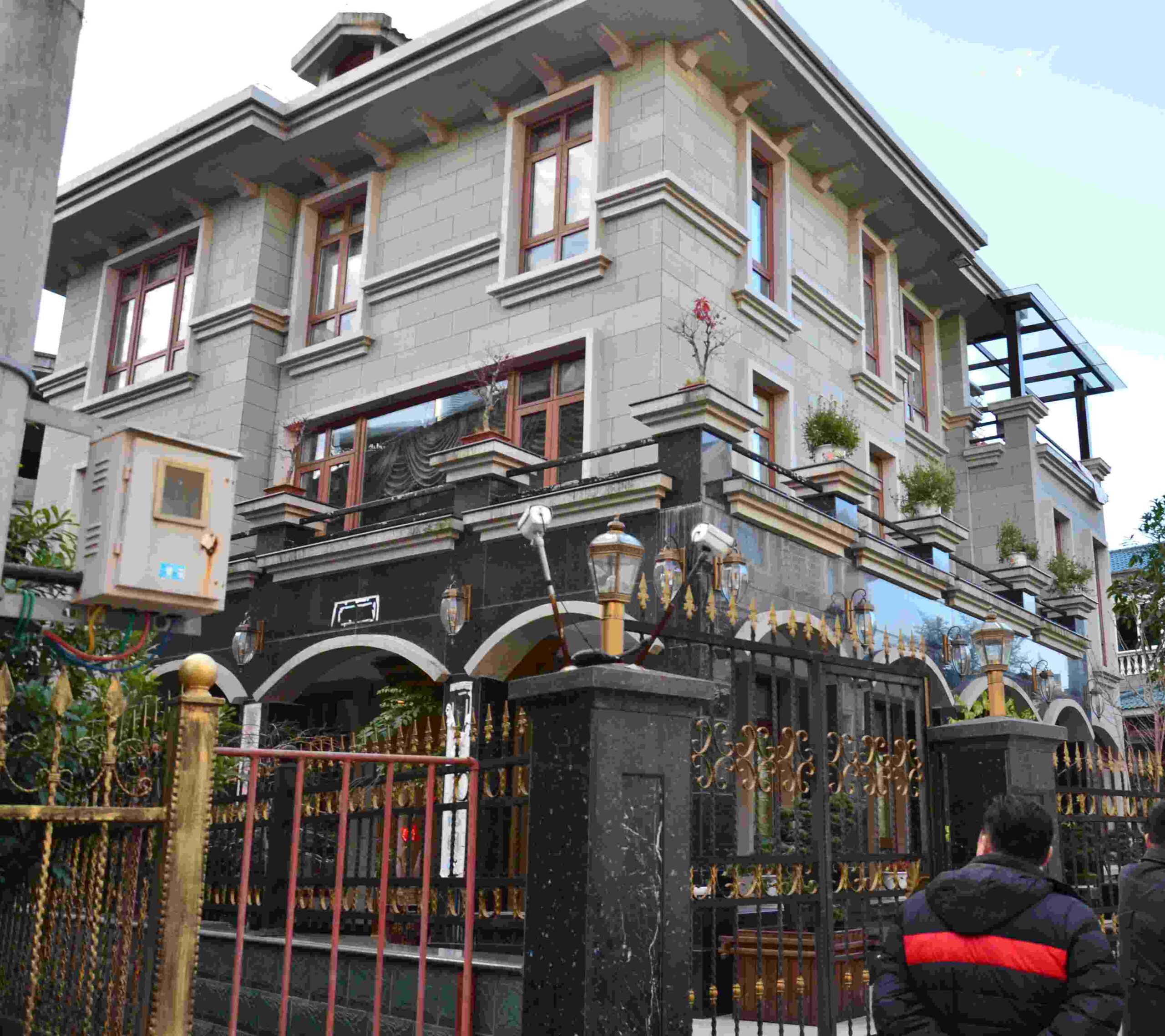
A wide variety of uses can be found for flexible stone for exterior walls of a villa, each one best realizing its full potential when the texture, color and the joint design is related to the functions of the areas in which it is used.
Main villa facade
The main façade of a building is what is first noticed when one arrives at a property. The use of Light travertine, sandstone and concrete style flexible stonework can provide a clean and modern aesthetic. Large vertical or horizontal panel formats can be used to two storey villas to give the property height and structure.
A matte stone texture is more suitable for hot environments than a glossy finish. It provides a natural look and no unfavourable reflections in bright sunlight.
Garden walls and courtyard walls
The finish of garden walls and courtyard walls can be seen at close quarters. Flexible stone cladding gives plain walls texture and depth and can be used behind garden furniture, on walkways, around plant beds and on boundary walls.
For poolside or water-adjacent walls, it is essential to provide an adequate waterproof seal. While the material itself can be suitable for outdoor use, the installation system must also be treated with due care for joints and edges.
Columns, entrance features, and balcony walls
The columns and entrances in a villa are of massive importance in terms of visual impact. A high quality stone-look finish around the front door of a villa for example can add the ‘finish’ to what would otherwise be an unremarkable entrance, and be a very formal feature. In addition to using a flexible stone to finish the entrance to a villa around the columns, it can also be used for the balcony walls, or even the upper floor decorative bands to tie together the various facets of the building’s facade.
This design uses one light stone texture for the main walls and a different darker texture for the entrance frame/vertical feature strip. The difference in the two textures gives contrast without making the design look too busy. This approach is often used in modern villas.
Flexible Stone vs Traditional Stone for Hot Climate Villas
Both traditional stone and flexible stone have their merits. Deciding on which one to use will depend on several factors including the load on the wall, budget, design, schedule for installation and intended use. For many hot climate villa projects, Flexible stone is an ideal choice because it has the look of natural stone but is easier to use on site.
| Factor | Flexible Stone Cladding | Traditional Stone Cladding |
| Weight | Light, easier to carry and install | Heavy, needs more labor and support |
| Thickness | Thin surface material, often 3–5mm | Much thicker slabs or tiles |
| Curved surfaces | Better for columns and shaped walls | Difficult and costly to cut |
| Transport | Lower load for bulk shipping | Higher freight and handling pressure |
| Installation | Faster with suitable adhesive | Slower and more labor-heavy |
| Appearance | Natural stone look with varied textures | Real stone texture and depth |
| Wall load | Lower load on exterior walls | Higher load on structure |
Why weight matters in exterior villa projects
Weight of exterior wall components on large facades turns into labor, in terms of installation time, in freight costs, in time lost due to inclement weather, and in safety risks. A lighter exterior wall panel reduces installation time and minimizes the need for heavy lifting. In hot weather, long working hours are already a hindrance to effective work, and the need to lift heavy components only adds to the problem.
Why flexibility matters in modern villa design
Tall columns and curved walls add value to a villa but can cause problems for exterior cladding. The use of flexible stone enables the designers to take full advantage of this shape and for the façade to follow the lines of the building instead of being forced into a number of flat planes.
Foshan Sincere Building Materials Co., Ltd. as a Flexible Stone Supplier
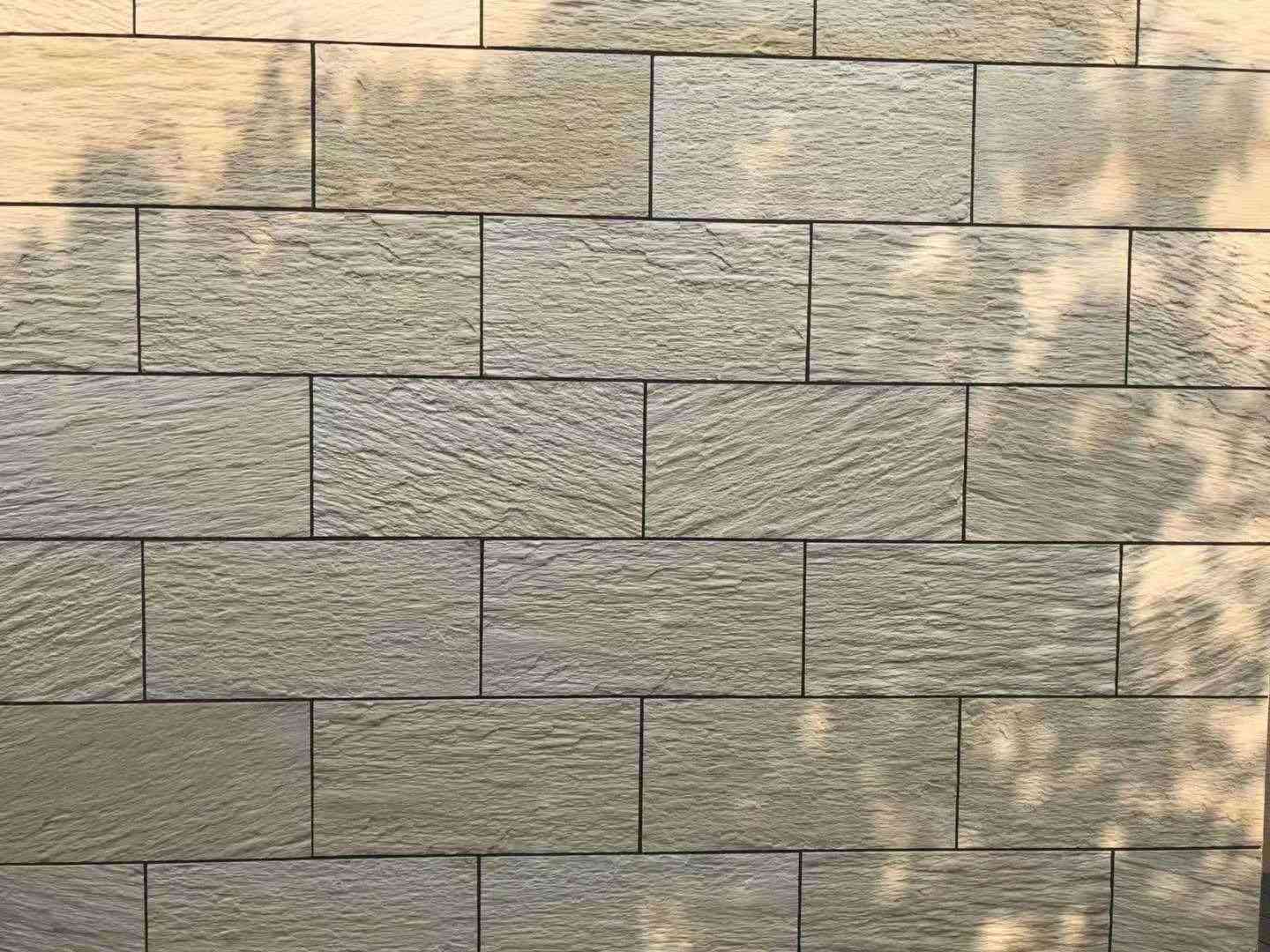
Foshan Sincere Building Materials Co., Ltd. offers a wide variety of indoor and outdoor wall and floor building materials such as tiles, soft stone, wall panels, SPC flooring, and flexible stone. As a company with many years of experience in sales of building materials and with a wide range of markets abroad, such as South America, Europe, South East Asia, Middle East, and Africa, we are able to serve both residential and commercial project buyers.
Flexible stone exterior wall cladding is designed for a variety of applications. In addition to being used for the facades of villas, exterior walls and ceilings can also be clad with this innovative material. It can also be used for decorative columns and for any architectural surface that has an irregular shape. Lightweight, fireproof, waterproof, flexible and available in a range of colors and natural finishes, this product is ideal for Importers, Contractors, Designers and Property Developers who are looking for a material that has the look and feel of stone, can be installed quickly and has minimal weight and transport pressure.
Conclusion
Flexible stone exterior wall cladding is the ideal solution for the villas built in the hot and sunny countries that are looking for a natural stone look without the weight of traditional natural stone. This type of exterior cladding reduces the load on the walls of the building, it is fast to install and it provides a variety of useful characteristics and properties, such as waterproof, fireproof, does not fade, self-cleaning etc.
Flexible stone is used for creating villa facades, garden walls, entrances, columns and other architectural details that have curved shapes. As with any other material, the results that you will achieve depend greatly on how the surface was prepared, on the type of adhesive that was used, on how the joints were worked and on the type of sealer that was applied. In addition, as a large buyer, it is also important to choose a reliable supplier of flexible stone.
FAQs
Is flexible stone good for exterior walls in hot climates?
Yes. The flexible stone for exterior walls can also be used in hot climates as long as the product is designed for outdoor use and is installed with a suitable adhesive and sealing. Lightweight, flexible, 100% waterproof and does not fade, this surface covering is ideal for the facade of a villa in sunny climates.
Does flexible stone fade under strong sunlight?
High-quality flexible stone cladding which does not fade is designed for long lasting decorative use in the sun. The color, surface finish and quality of installation all affect the long term appearance. Light stone colors are generally recommended for very hot locations.
Is flexible stone lighter than traditional stone cladding?
Is it true that Flexible stone are lighter than Slabs of stone of equal size? Transporting pressure on the walls of a villa can be significantly lessened by using a thin flexible stone veneer sheet to form the exterior surface of the walls. It also reduces the load on the walls. It is easier to install than a solid slabs of stone.
Can flexible stone be used for villa columns and curved walls?
Flexible stone is a versatile building material that is extremely flexible. This means that it is suitable for application to columns, arches, curved garden walls and other shaped building surfaces. It can also be used for entrance frames and doors. This makes it the perfect material for modern villa exterior cladding where individual flat panels are not enough to meet the design.


