
Why Does Mold Grow Behind Waterproof Wall Panels?
2026-09-24
Water-resistant wall panels are able to resist splashing and cleaning activities. Still, mold can develop behind the wall panels. The answer to this question is quite obvious. Although the wall panel’s surface keeps water away from the wall, the wall may have weak points in its structure. Water can get inside the wall panels through their joints, corners, cuts, pipe penetrations, deteriorated seals, or even in case of a damp wall. As soon as water enters an enclosed place without sufficient ventilation, the mold development starts.
This problem is especially important for bathrooms, showers, laundry rooms, hotel washrooms, and other humid spaces. The waterproofing of wall panels depends on a variety of factors, such as the panels themselves, back wall, joints, trims, openings, and cuts.
Why Can Mold Develop Behind Waterproof Wall Panels?
Installing a waterproofing membrane alone does not guarantee a fully sealed wall‑panel system. Poor joint and opening details can still allow moisture ingress. In most cases, the problem begins from the seams and joints and not from the center of the wall panels.
Moisture Can Bypass the Panel Face
Water can pass even through very tiny openings. It only takes a breach of the sealant between the wall panels, unsealed edges, or improperly fitted components near the shower valve for the moisture to bypass the front of the wall panel.
The outer face can look clean while moisture affects the materials behind it.
Condensation Can Form Behind the Finish
Not every damp wall comes from a plumbing leak. Warm, humid air can meet a cooler wall surface and form condensation. This happens more often where air flow is weak or an outer wall stays cold.
That is why mold behind wall panels should be seen as a moisture check problem, not just a cleaning issue.
Waterproof, Water-Resistant, and Mold-Resistant Are Different
These terms describe different traits.
| Term | What It Usually Means | What It Does Not Mean |
|---|---|---|
| Étanche | The material keeps water out under its stated use conditions | Every seam, opening, and backing wall is fully sealed |
| Water-resistant | The surface can handle limited moisture contact | Ready for constant direct water contact |
| Mold-resistant | The material is less likely to let mold grow | Mold cannot form on residue, sealant, dust, or nearby materials |
For areas that get direct water, the full install detail matters. Waterproof bathroom panneaux muraux may still need matching trims, joint care, a good base wall, and sometimes a waterproof membrane.
Four Weak Points in Wet-Area Wall Panel Waterproofing
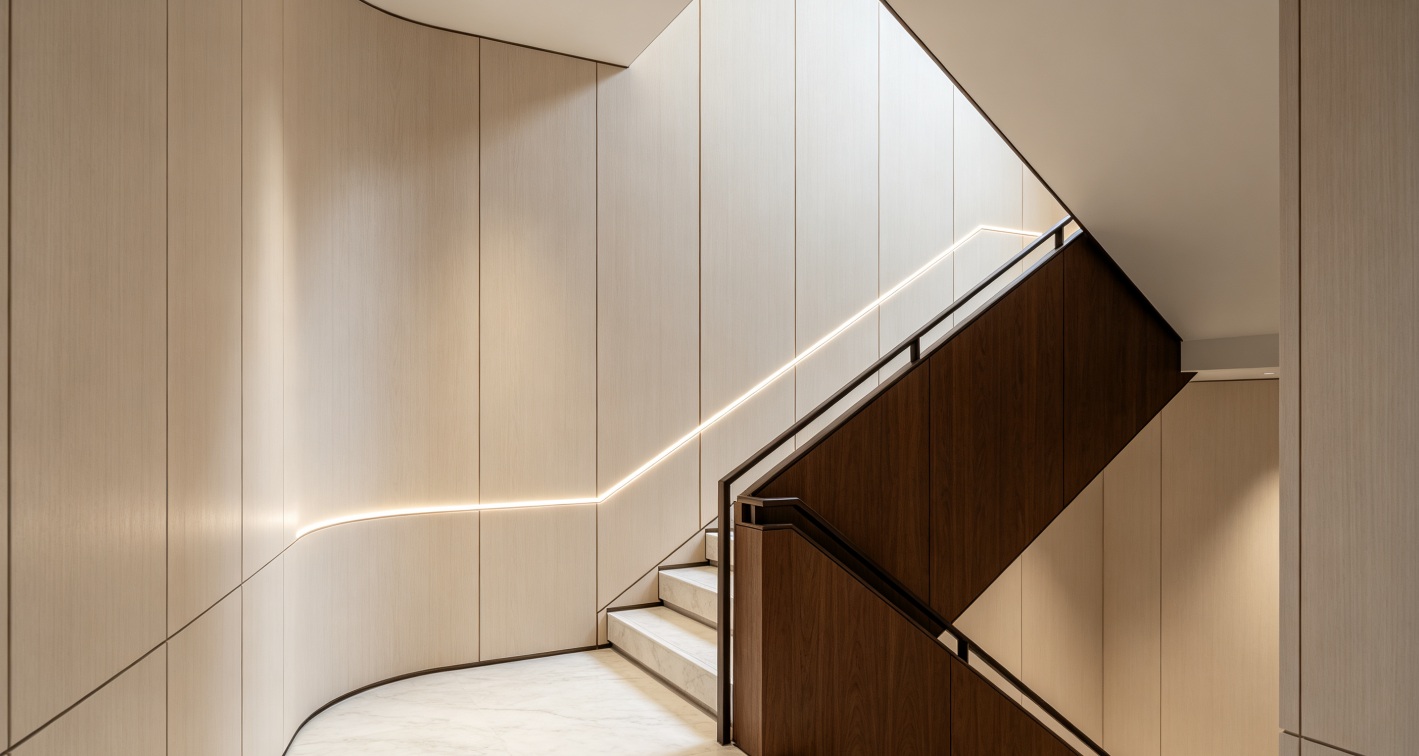
Most moisture paths link back to a few details. These spots need more care than the wide panel face.
Wall Panel Seams
Panel-to-panel joints are clear entry points. The right method depends on the wall panel system. Some use interlocking joints. Others rely on trims, the right sealant, or both.
Edges should be clean, straight, and dry. Panels should be dry-fitted before adhesive goes on. Where silicone sealant is needed, the bead should run without breaks.
A joint that looks closed is not always watertight. Follow the joining method and matching materials meant for that panel.
Internal Corners
Internal corners collect runoff and can hide small gaps. A poorly fitted corner may create a channel that sends water behind the panels.
An internal corner trim can make a controlled link between two walls. Where sealant is part of the system, it should form a continuous barrier. Uneven walls should be fixed first. Forcing a stiff panel into a twisted corner often leaves empty spaces.
External Corners and Cut Edges
External corners face knocks, cleaning tools, and edge movement. Cut edges may also lose the protection of a factory-finished edge.
Use the given external corner trim or edge finish. Keep cuts clean. Avoid leaving raw edges facing a wet zone.
Pipe and Fixture Openings
Pipe holes are small but can cause serious leaks. Shower heads, faucets, valves, and fittings break the panel surface and sometimes the waterproof layer behind it.
A practical order is:
- mark each opening before fixing the panel
- cut a neat hole without cracking the face
- keep enough space for the fitting and sealing detail
- seal the waterproof layer around the hole where needed
- finish with the matching collar, trim, gasket, or sealant given for the system
Waterproofing around pipe holes should be planned before the panel is glued to the wall. Filling an oversized hole later often leaves a weak fix.
Start With the Wall Behind the Panel
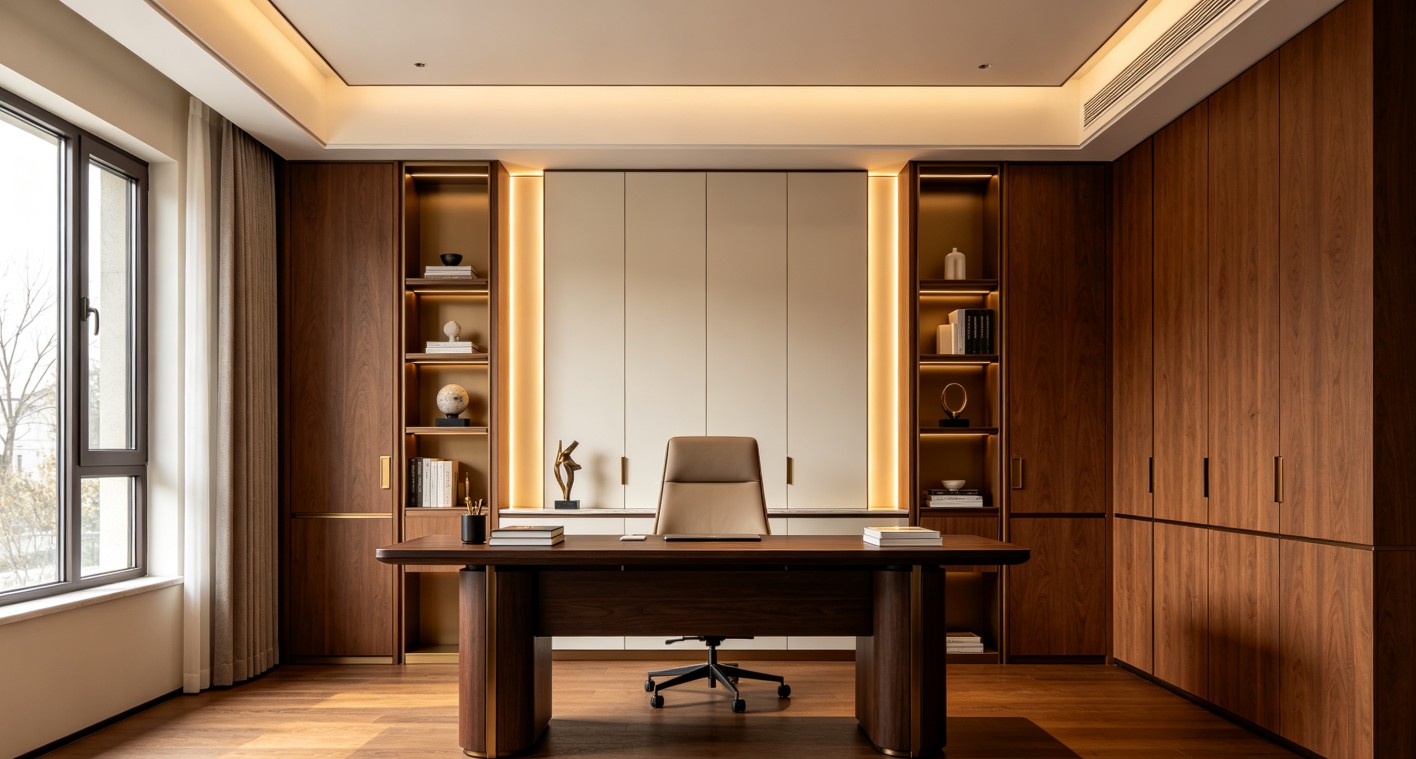
A new finish should never hide an unfixed damp problem. Before fitting wet area wall panels, check the base wall with care.
Check the Substrate Before Installation
Look for active plumbing leaks, damp masonry, soft drywall, loose plaster, old mold marks, uneven surfaces, and leftover building moisture. The wall behind should be stable, clean, dry, and fairly flat.
If the wall is faulty before the panels arrive, it stays faulty after the panels cover it.
When Is a Waterproof Membrane Needed?
Needs change by exposure level, panel system, and local building rules. A humid bathroom wall is not the same as a shower wall that gets direct water every day.
In wet rooms and direct-water zones, the plan may call for a separate waterproof membrane or moisture-control layer behind the outer finish. Corners, floor-to-wall links, and plumbing holes must work as one continuous system.
Practical Installation Checklist for Damp Areas
A short check before closing the wall can stop costly removal later:
- repair plumbing leaks and make sure the base wall is dry
- finish any needed membranes or moisture barriers
- dry-fit the wall panel layout
- follow the given method for wall panel seams
- finish internal and external corners the right way
- seal bottom edges and wall-to-floor links where needed
- detail pipe, valve, and fixture openings before final fixing
- use matching adhesive and silicone sealant
- check finished joints before the room goes back into use
What Should Be Done If Mold Is Already Behind the Panels?
Do not just add fresh silicone over a stained joint. That may hide the sign while moisture stays behind the finish.
Start with seams, corners, bottom edges, pipe openings, and nearby plumbing. If needed, take off affected panels so the wall behind can be checked. Damp materials should be dried. Damaged materials should be handled the right way. The water source must be fixed before new panels go in.
If mold keeps coming back around the same joint, the real question is: why is this area staying wet?
À propos de Foshan Sincere Building Materials Co., Ltd.
Foshan Sincere Building Materials Co., Ltd. provides high-standard wall and flooring building materials to be used both indoors and outdoors by homeowners, business people, hoteliers, and renovators. The products offered include wall panels, tiles, floors, flexible stones, and wall and flooring materials for outdoor use.
Founded in 2007, the company operates in various areas worldwide. It has been operating with certification of quality, environment, and occupational health and safety management systems. Wall panel buyers can compare finishes and use examples, then match trims and install methods to the real space.
Conclusion
Mold behind waterproof wall panels usually points to a moisture path outside the panel face. The seam may be open. A corner may be poorly finished. A pipe hole may leak. Condensation may be trapped. Or the base wall may already be damp.
The stronger way is to treat the wall as a full moisture-control system. Choose wall panels that fit the exposure. Prepare the base wall. Detail every joint and opening. Check the edges before the area gets wet.
FAQ
Is it possible for waterproof wall panels to have mold?
Yes, it is. While the panel keeps the water from coming through, the mold grows behind the sealant, adhesive, dust, drywall, wood, or other material that is placed behind it. Usually, mold is a sign of constant presence of water and not of the failure of the front surface of the wall panel.
Why there is mold behind bathroom wall panels?
The common reasons for mold include leaking seams of wall panels, leakages in corners, plumbing leaks, condensation, wet base walls, and entry of water at pipe holes. Tracing the moisture source is more important than treatment of the spot itself.
Do shower wall panels require a waterproof membrane behind them?
Sometimes. Some areas that will be directly under the water will require additional waterproofing layer behind the wall panels according to the specific system, base walls, project design, and local building code requirements.
How can mold behind wall panels be prevented?
Keep the base wall dry. Fix leaks before installation. Use suitable wet-area wall panels. Seal needed seams and corners. Detail pipe openings with care. Maintain damaged sealant before water can reach the wall behind.
The full wall system must work as one unit. When every joint, corner, and opening is sealed the right way, moisture has fewer paths to hide. Regular checks after install also help catch small issues before they grow. In high-moisture rooms, choosing panels made for wet use and pairing them with the correct trims and sealants makes a clear difference. A dry, solid base wall remains the first and most important step. Without it, even the best panels can face problems later. Taking time at the start saves time and cost in the long run.


