

WPC Flooring Mistakes That Cause Warping and Noise
2026-06-05
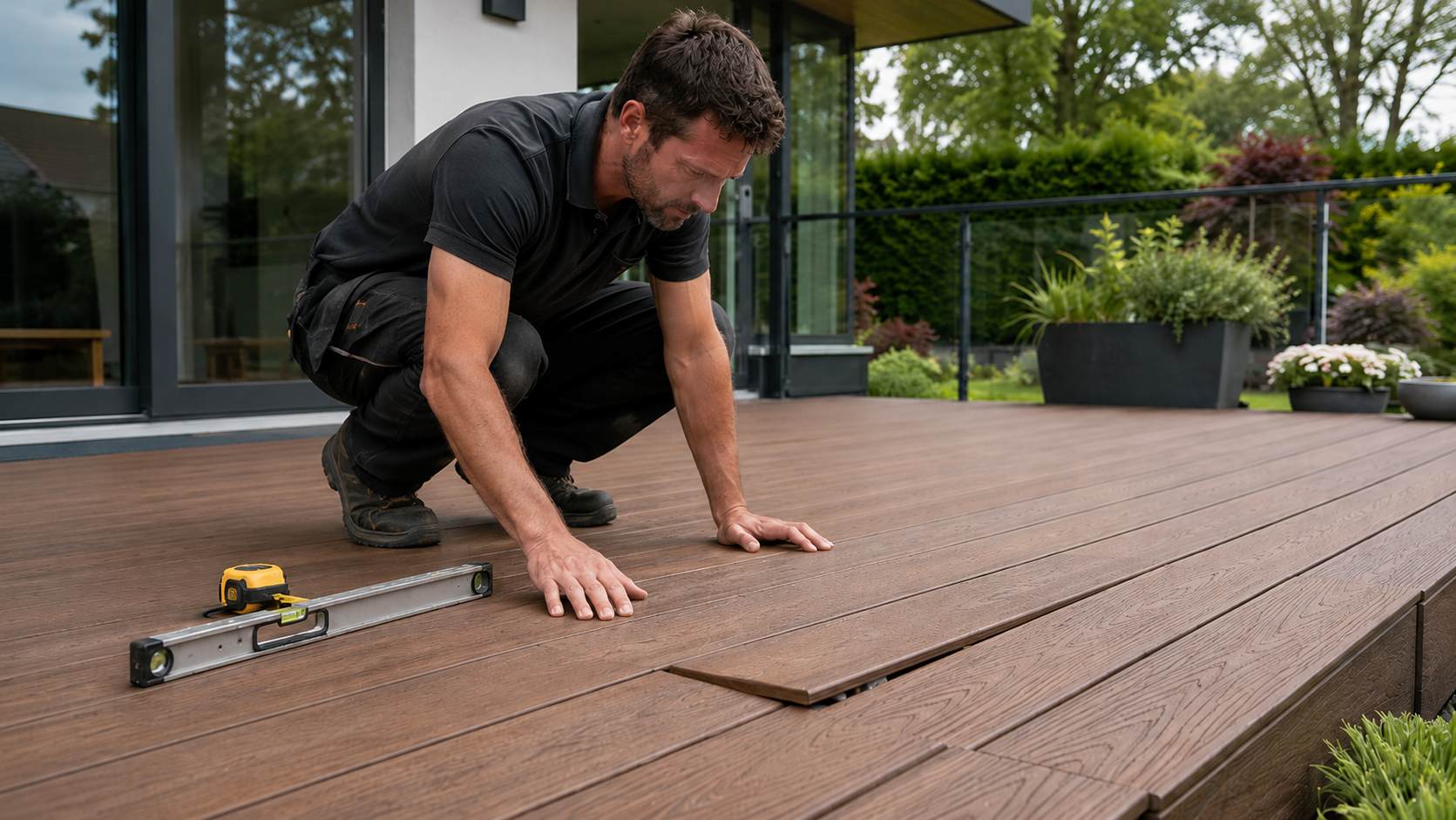
Our WPC Flooring is commonly used on patios, balconies, garden paths, poolside decks and even commercial areas. It provides a timber look and is a lot more durable when wet and resistant to everyday wear and tear. A good quality floor board can however perform poorly if the installation is poor. Typically the majority of problems with floor boards arise from below the surface of the visible area of the floor. These issues can cause problems such as Warping, Buckling, Gaps in the boards, strange clicking noises and hollow sounding floors.
Many early failures are due to a number of mistakes that are being made repeatedly. This includes problems with the base, like it not being prepared enough, or not being equipped with the correct drainage. Other issues are down to spacing of the boards, the support and the fastening. These errors can cause problems for the homeowner in terms of comfort and safety. For the builder, hotels, landscape contractors and distributors early failures can lead to costly callbacks and repair work, in addition to dissatisfied customers. A stable WPC floor starts long before the first board is fixed.
Why WPC Flooring Can Warp or Make Noise After Installation
WPC, or wood plastic composite, contains wood fiber and plastic. This mix gives the material a natural wood-like appearance while making it more suitable for outdoor use than many traditional timber options. But WPC is still exposed to heat, cold, rain, foot traffic, and ground movement.
When referring to a WPC outdoor flooring system, people tend to only consider the surface layer of boards. In reality, a well-built outdoor flooring system also consists of base, joists, clips, screws, gaps, drainage and edge treatment. One single component has to be perfect in order to prevent the entire deck from tilting unevenly.
In warped areas of the floor the edges of the boards are often raised as if they have been bent into a curve. The boards may appear to be lifted as they extend from the center of the floor towards the walls and from one side of a post to the other. Floor surfaces can also produce strange noises such as clicking, squeaking, tapping and hollow knock sounds when walked upon. This type of floor stress is usually caused by pressure, trapped moisture, failing floor clips and areas where the floor boards are not fully supported under.
Mistake 1: Installing Over an Uneven Subfloor
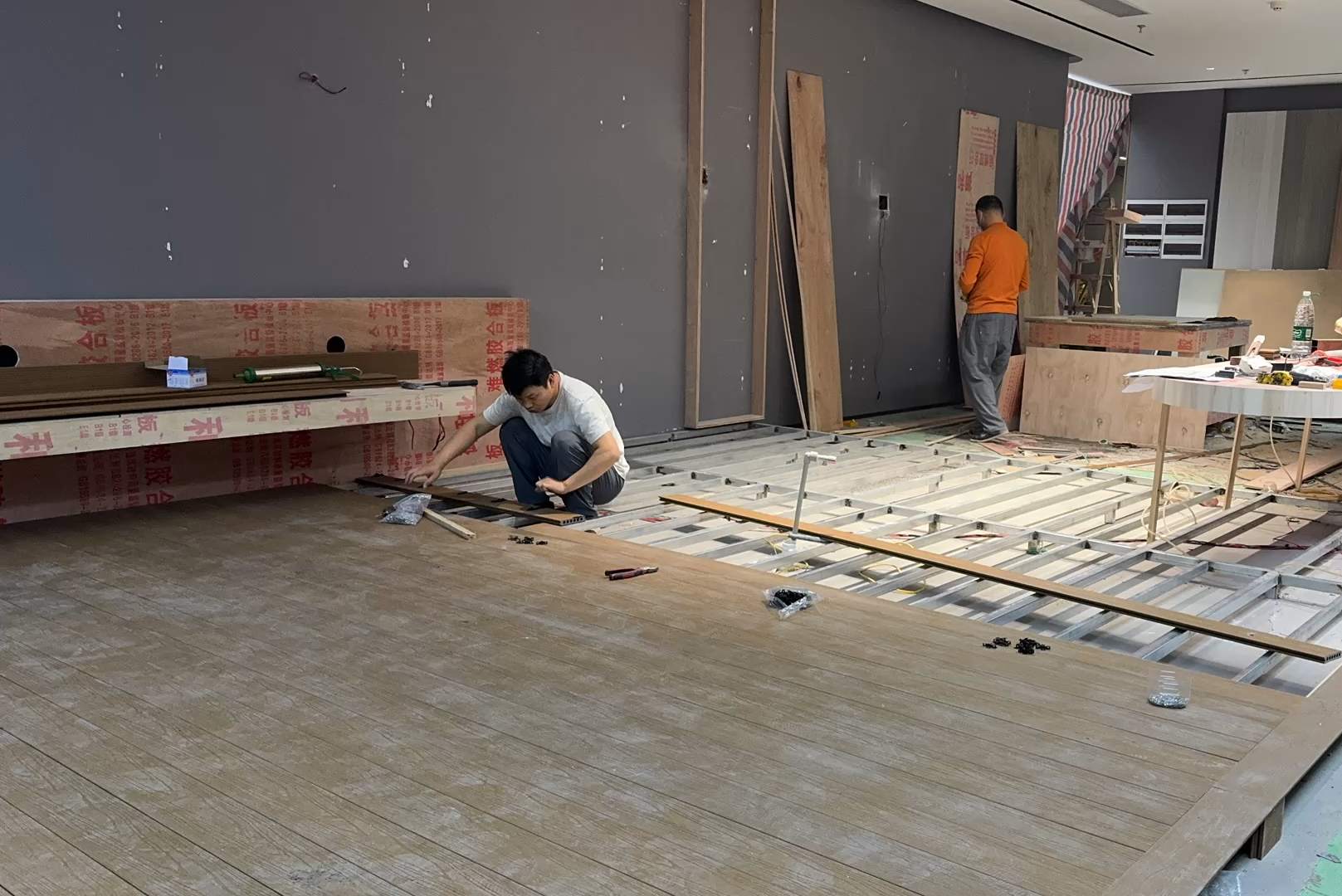
First and foremost a firm and even base is required to create a quiet floor in WPC. Uneven subfloor, for example with dips, loose concrete, old adhesive, filled sand pockets or a weak timber framing, ensures that no even pressure is exerted on the floorboards.
How uneven support creates sound
A floating floor panel installed over an empty area can flex when walked on. This flexing can cause the clips to rub against the underlying floor, or the screws in the panel to work loose, or the joists to start vibrating and produce sound. The sound produced by a floating floor may initially be quite soft but increase as the floor settles.
Check the concrete slabs for cracks, for if they are not level, for dust, for standing water and for soft patches. Check the joist frame for raised outdoor decking to ensure it is straight, dry and securely fixed together. Even a few millimeters of height difference can become a repeated noise point as people walk up and down the decking over time.
Before you start installing, it is essential to clean, level and test the base. The effort is particularly worth while in areas that are used commercially, e.g. café terraces, hotel pools, balconies of apartments. There the same weak points are put under even greater pressure than elsewhere.
Mistake 2: Leaving No Expansion Gap
WPC boards expand when hot and contract when cool. Normal behavior of WPC boards. Problems can occur when they have no room to expand/contract.
Boards fitted tightly against walls, columns, door frames, drainage channels or other timber boards will build up pressure and could cause the floor to buckle up or push against adjacent structures. Long timber decking laid out in the open in sunny locations are particularly sensitive to day to day temperature variations.
Where expansion gaps are needed
Expansion space should be planned around:
- Walls, fences, steps, and fixed posts
- Board ends and butt joints
- Door thresholds and drainage covers
- Large deck edges and long runs
- Areas exposed to strong direct sunlight
The size of the WPC floor expansion gap depends on several factors including the length of the board, the type of profile, climate and method of installation. It is always best to refer to the suppliers installation instructions for correct information. In very hot climates, coastal locations and on roof tops the control of the expansion gap is a major construction detail and should not be treated as a minor finishing detail.
Mistake 3: Poor Drainage Under Outdoor WPC Flooring
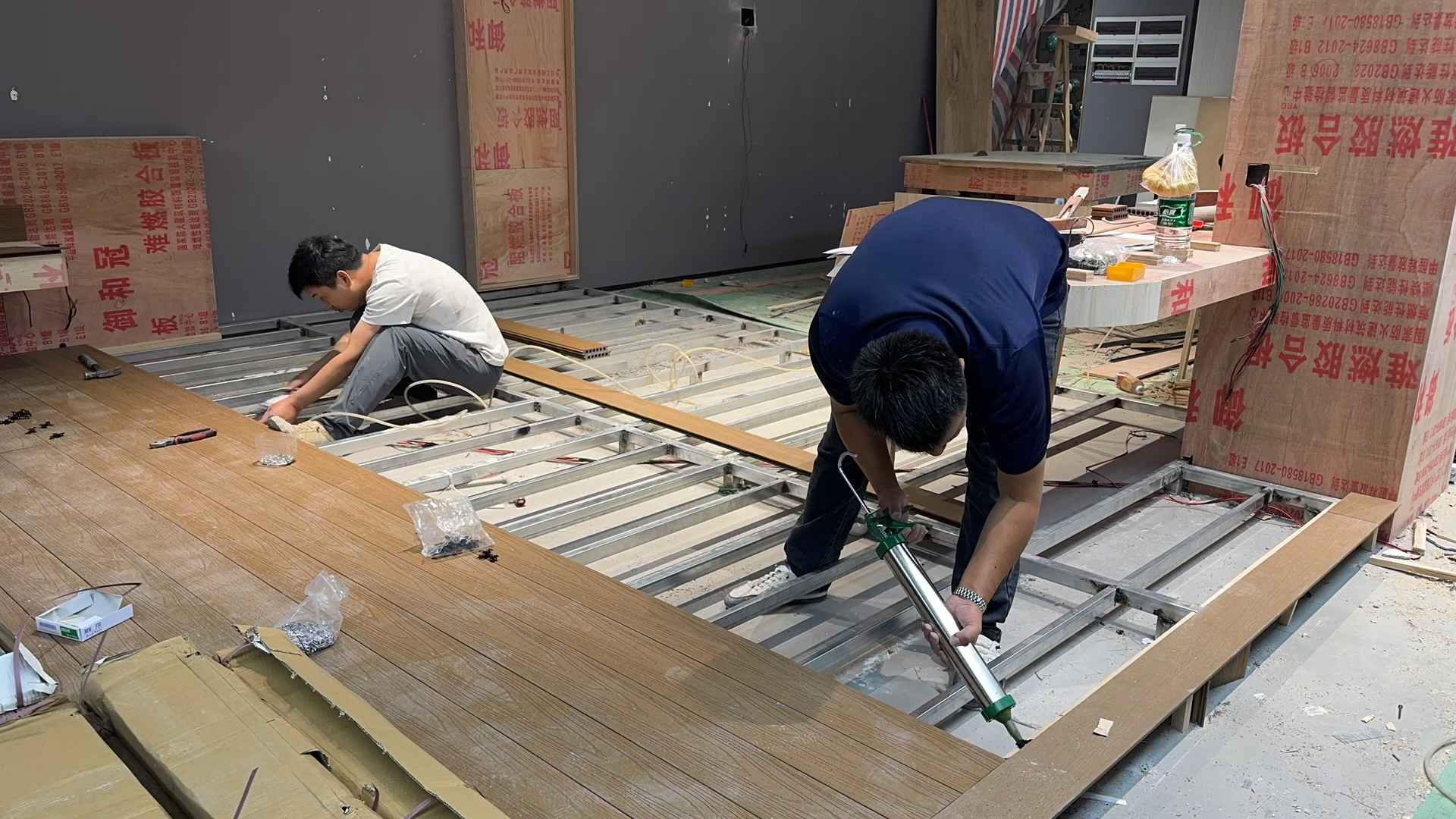
Outdoor floors are exposed to rain, washing water, wet floorcoverings, and even humidity from the ground. WPC outdoor flooring has a great outdoor potential but can be damaged from long lasting water in the system.
If water does accumulate under the decking boards, it could cause damage to the joists, the wall clips, the screws and the base of the deck. Debris such as dirt, leaves and sand can block gaps and cause problems. The deck could develop an odor, develop movement on the surface, or produce noises when walked upon.
Drainage is part of the structure
An excellent outdoor WPC decking installation would allow water to be removed quickly. The base of the installation should be slightly sloped.
The use of flooring on Poolside decks, garden walkways and open balconies requires some special consideration. All of these areas are subject to water flowing in from more than one direction. It is crucial that you ensure that there is suitable drainage.
Mistake 4: Wrong Joist Spacing
The joists carry the decking boards. If the spacing of the joists is too wide the decking boards will flex excessively between supports. Inconsistent spacing means that some areas of the deck will feel firm while other areas will have a springy feel. A major cause of noise from WPC decking.
Why spacing should match real use
A private garden deck with minimum use is much less loaded than for example a restaurant terrace or public promenade. Several aspects have to be taken into account when designing a support structure: the thickness of the boards, hollow or solid construction, the intended use and local climate.
Some common installation errors and their later symptoms are listed in the following table.
| Installation issue | Common result | What to check first |
|---|---|---|
| Joists too far apart | Bouncy boards, squeaking | Joist spacing and board profile |
| Uneven joist height | Clicking or hollow sound | Levelness across the frame |
| Weak fixing points | Loose board edges | Screws, clips, and frame strength |
| Poor drainage path | Moisture smell, board movement | Slope, gaps, and airflow |
| Tight board ends | Buckling or raised joints | Expansion gaps and end spacing |
Check the joist layout for larger projects before materials arrive on site. Altering the frame after boards have been installed will take longer and cost more.
Mistake 5: Fastening Boards Too Tightly or Too Loosely
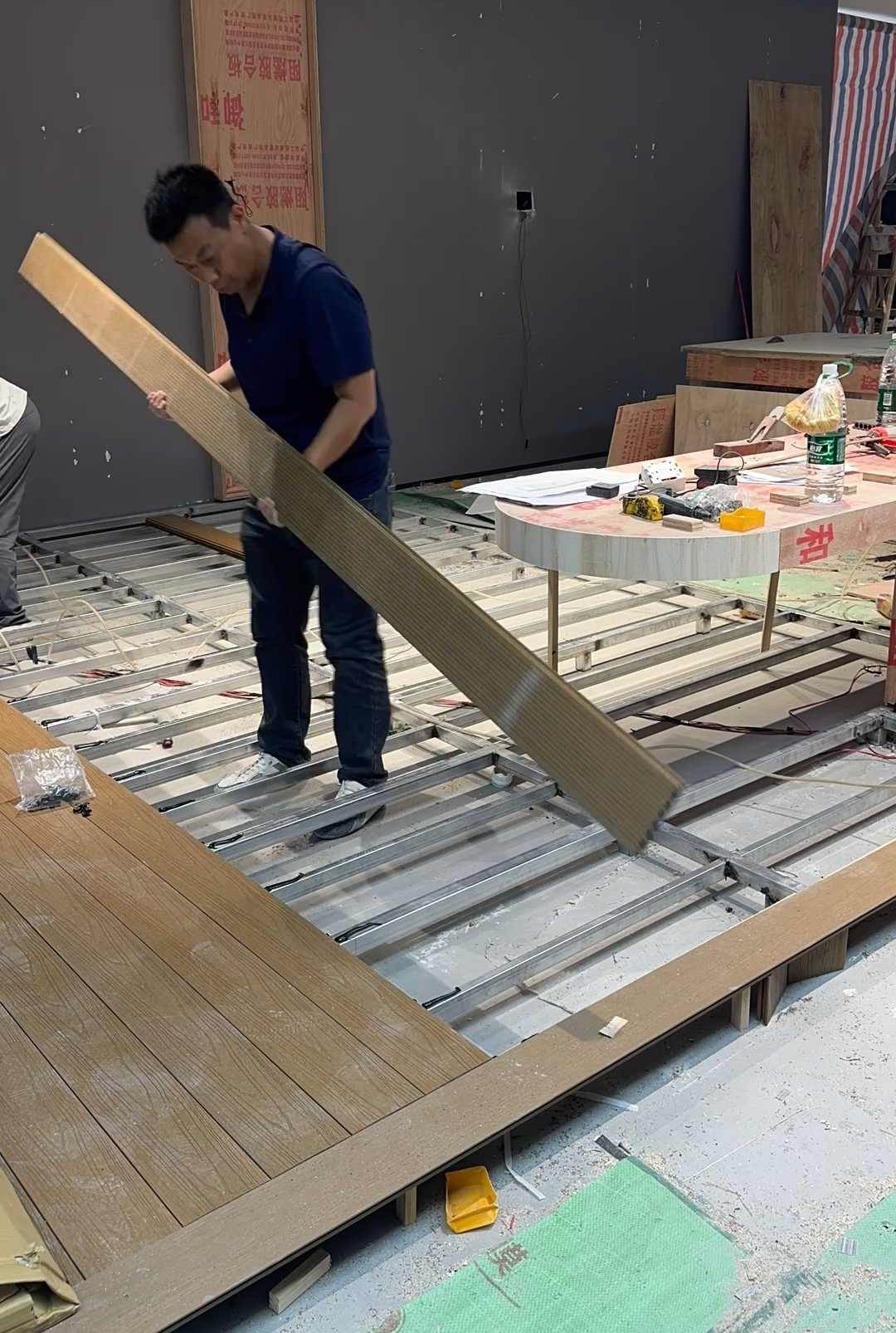
Fasteners can be used to fix boards in place but must allow sufficient movement. Boards fixate when fastened too tightly and do not permit expansion. On the other hand, loose fastening of boards permits vibration and rubbing.
Hidden clips are very popular because they help to keep the same space between the boards and also give the deck a very clean look. As with anything, there is a right way to put the clips in. Make sure to screw them in straight and do not over drive the screw as this can damage the edge of the board or the clip. Also, do not under drive the screw as this will leave the board slightly loose.
Small fixing errors can become daily noise
A WPC floor can develop a clicking sound when you walk on it. This can be caused by a loose clip, an unsupported area or pressure between two boards. It can also only occur in the morning, after rain or on very hot afternoons because of temperature related movement.
It is far easier to check each row as you complete it than to be trying to locate a single fixing that may have been installed poorly once you have completed the full deck and moved on.
Mistake 6: Installing Boards Without Site Acclimation
WPC boards are stored in a warehouse, in a container or in the shade before installation. If you immediately fix the boards in strong sunshine or in cold weather the size of the boards at the time of installation will not be as it is in normal site conditions.
Letting the boards sit for a period of time at the jobsite before you start using them there, gives the material a chance to acclimate to the outdoor environment, as opposed to acclimating in a transport box for a long outdoor installation.
Also avoid to install under extreme situations like a wet base, heavy rain, very high surface temperature or unsteady foundation work nearby. In order to save one day at the beginning could lead to repair work later.
Mistake 7: Blocking Ventilation
Ventilation with outdoor WPC flooring is as important as with other flooring types. Outdoor WPC flooring on a raised floor needs airflow in order to function properly. If no ventilation is created under the flooring, the heat and moisture is caught under the floorboards. This will increase movement, cause the frame to deteriorate faster and might even create a damp smell.
Where blocked airflow often happens
Ventilation problems often appear when:
- Soil or planting beds touch the underside of the deck
- Drainage gaps are filled with dust or leaves
- Storage boxes sit directly on the deck for months
A clean edge design is important to enable the deck to ‘breathe’ and still look finished. This detail is particularly important for such applications as villas, resorts, garden restaurants and balcony upgrades where appearance is key and long term service life is important.
Mistake 8: Ignoring Board Spacing During Layout
The space between deck boards can affect how water and dirt drain from the deck as well as how the deck boards expand and contract, how easy the deck is to clean and the aesthetic look of the deck. By having inconsistent spacing from row to row, the deck will have an uneven look. Spacing that is too narrow will allow dirt and water to become trapped within the joints of the boards. Space that is too wide will give the deck a less refined look and allow for larger debris to collect on the deck floor.
Plan your layout prior to cutting the timber. Check the board direction, starting point, edge lines, step details and end joints. On long walkways try to avoid having too many weak end joints in the same line.
Mistakes with the spacing of WPC decking boards can be prevented more easily than they can be rectified later. Once a board has been cut and is lying on the floor, it is a large element that needs to be removed for the space to be put right again.
How to Diagnose WPC Flooring Problems
A WPC floor that buckles or creaks can have many different causes. Many of these causes are hidden from view under the floor panel or at the floor’s edge.
| Symptom | Possible cause | Practical check |
|---|---|---|
| Board edges lifting | No expansion gap or tight fixing | Check wall and post clearance |
| Clicking sound | Loose clips or uneven base | Walk slowly and mark noise points |
| Hollow noise | Unsupported area below board | Check joist contact and base level |
| Gaps opening | Temperature movement or poor layout | Review board end spacing |
| Local buckling | Trapped pressure or blocked drainage | Check water path and fixed edges |
For a small deck, a couple of issues can cause major problems. For a large commercial outdoor area with many features, a few small errors can have a magnified effect. For example, an deck with an slightly uneven base, ends cut too close together and air not able to circulate under the deck can be just fine at first, but after months of heavy rain and heat, subtle stress in the deck will begin to show.
Best Practices Before and During Installation
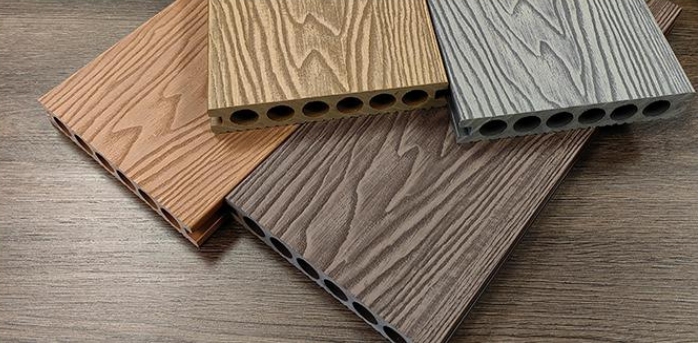
Good installation is not about complicated installation. Consistent and regular checks at crucial points are all that’s required.
Pre-installation checks
Before fixing the first board, the site team should check:.
- Base flatness and strength
- Water drainage direction
- Joist spacing and frame stability
- Board batch, surface condition, and color consistency
- Expansion space near fixed structures
- Clip, screw, and accessory compatibility
During installation
Planks are to be installed with constant clear spacing between them. Fasteners are to be tightened up with equal amount of pressure. Cut ends are to be clean. All areas that may be subject to moisture are to remain clear of any obstruction and allow for good drainage. Do not try to force a board into place when the line is tight. The pressure will not disappear once installed; it will transfer somewhere in the building.
Clean and inspect the floor after completion of work. Perform walking tests on completed section to pick up any loose or noisy areas prior to hand over.
Choosing a Reliable WPC Floor Supplier for Projects
A WPC outdoor flooring project can be realized in a stable manner provided the used products are of good quality and the necessary installation know how is available. Foshan Sincere Building Materials Co., Ltd. is supplier of indoor and outdoor wall and floor coverings. We offer WPC Floor, Outdoor WPC Wall, SPC Flooring, Wall Panels, Tiles and Flexible Stone. Therefore all needed floor and wall coverings can be purchased from one supplier, also very helpful for builders, for distributors and for project buyers.
Sincere WPC Floor supplier serving overseas markets of South America, Europe, Southeast Asia, the Middle East, Africa and others. We have rich experience in sales of building materials, registered trademarks in many countries and corresponding quality management certifications. For contractors and importers, our experience in steady supply for projects, export handling, material selection and practical communication with products are very important.
Conclusion
WPC flooring can warp and create noise issues that have been overlooked in the installation details such as an uneven subfloor, inadequate water drainage, inadequate expansion gaps, incorrect joist spacing, inadequate flooring clips, inadequate ventilation and poor planning during the layout of the flooring. Such issues can hide for a short period of time and then display symptoms such as warping and creaking after being exposed to heat, rain and constant foot traffic.
A long lasting WPC floor consists of a stable floor base, free drainage, correct floor board spacing and matching accessories. If material and installation system are matched properly then WPC outdoor flooring provides patio floor, balcony floor, garden floor as well as commercial floor with a clean wood look and minimum daily maintenance.
FAQs
Why does WPC flooring warp after installation?
WPC flooring can warp when it is fitted too tightly together, not enough space for the underlay left, fitted on an uneven substrate or fitted where water can collect under the floor and leak under the deck. Problems can be exacerbated by heat and moisture.
Does WPC flooring need an expansion gap?
Yes. WPC floors also require expansion gap space around fixed components such as wall, posts, ends of boards etc. Size of the required gap has to be stipulated in the supplier’s installation manual. The size of required gap can change depending on the length of the boards, climate, and the corresponding profile.
Why does my WPC floor make a clicking noise when walking?
A clicking sound can occur for several reasons including loose floor clips, uneven joists, unsupported areas of floor and floorboards that are rubbing against each other. To begin to identify the cause of a clicking floor mark out the section of floor where the clicking is heard to see if any investigation is required. Inspect the floor frame, floor clips and the spacing of the floorboards.
Can WPC flooring be installed over concrete?
WPC flooring can be installed on a concrete floor if the surface is perfectly flat, firm, clean and dry and allows water to drain off. If the concrete slab stores water or has grooves/high points it must be corrected before installation.
How can WPC decking noise be prevented?
You can reduce the noise from WPC decking by preparing a suitable level base, installing your WPC decking at the correct spacing on your joists, adequate gaps left between the boards, the WPC decking clips fixed evenly across the decking run, adequate provision for drainage and ventilation through the base boards and regular cleaning to prevent dirt from blocking up the gaps between the boards.


