
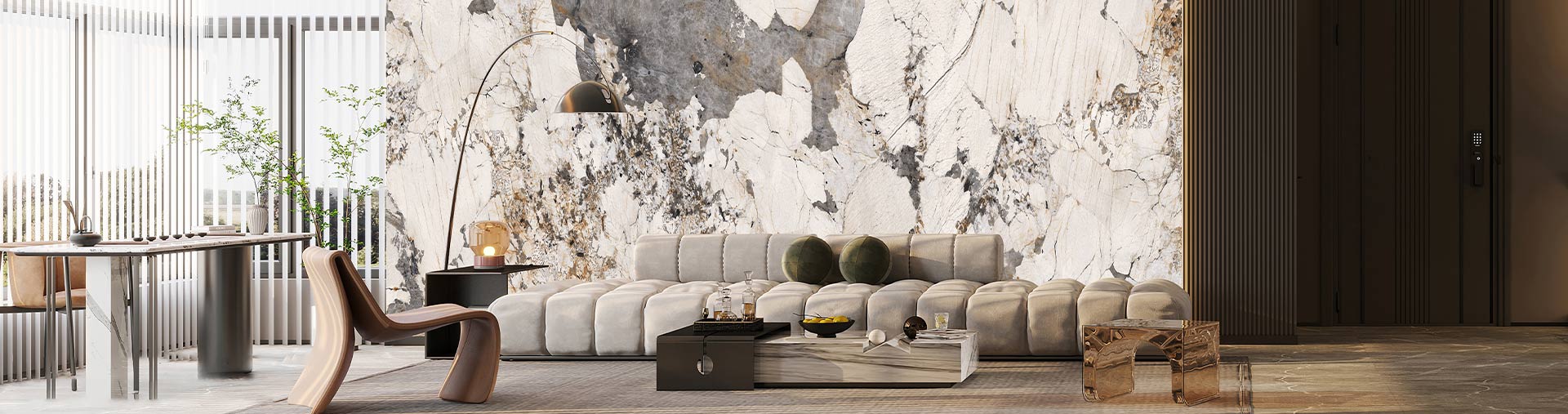
WPC Fluted Wall Panels vs Traditional Wall Finishes
2026-03-06
Interior walls affect the way a room feels, works, and lasts over time. Homes, hotel entrances, and shop displays all depend on good wall covers. These covers do more than just look nice. They change how sound moves, how much care they need, how fast workers can set them up, and how well they hold up for many years.
In the last few years, WPC fluted wall panels have grown into a common choice. They stand in place of older wall covers like paint, ceramic tiles, wallpaper, solid wood covers, and MDF boards. This piece looks at WPC fluted wall panels next to usual materials. It checks their build, how they work, price, look, and real use in projects. The goal is to help architects, contractors, and distributors pick the right option with clear facts.
What Are WPC Fluted Wall Panels?
Before we check how the materials compare, we should know what makes WPC fluted wall panels stand out.
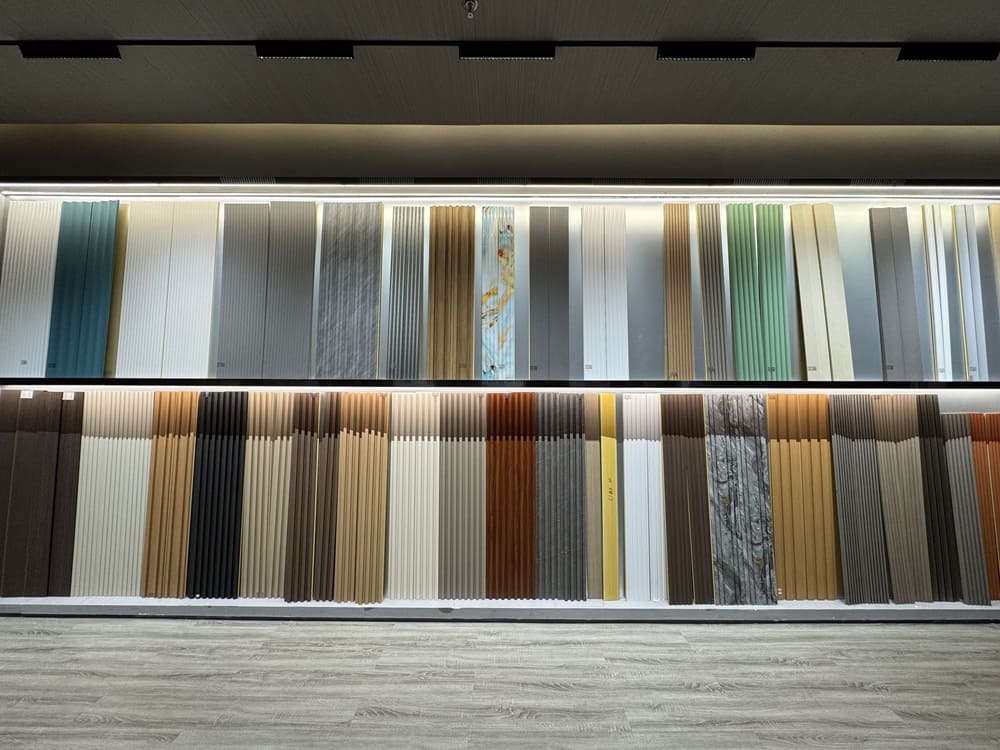
WPC stands for Wood Plastic Composite. This mix comes from wood fibers and special plastics. Workers blend them with high heat and strong pressure. The fluted style means straight grooves run up and down or side to side on the face. These lines add depth and play with light and shadows. The result makes modern rooms look better and more interesting.
WPC fluted panels differ from old wood wall panels. People design them to stay steady and strong. They fight off water well. They do not bend or twist much. Plus, they need very little care. When you set them next to carbon crystal board or crash proof board, they bring real texture and a full 3D feel.
People use them in many spots. Here are some common ones:
- Feature walls in home living rooms and bedrooms
- Front areas in business places
- Hallways and guest rooms in hotels
- Meeting rooms in offices
- Back walls for shop displays
- Inside restaurants and coffee shops
These real uses show a clear change. More people now want wall covers that last long, look good, and stay easy to care for.
WPC Fluted Wall Panels vs Traditional Wall Finishes: Core Differences
A quick table helps show the main points. It lines up WPC fluted wall panels with common older choices.
| Feature | WPC Fluted Wall Panels | Paint | Wallpaper | Solid Wood | Ceramic Tile |
|---|---|---|---|---|---|
| Fights Moisture | High | Low | Low | Medium | High |
| Time to Install | Fast | Medium | Medium | Slow | Slow |
| Care Needed | Low | Needs repaint often | May peel | Needs polishing | Needs grout clean |
| How Long It Lasts | 10–20 years | 3–5 years | 3–8 years | 10–15 years | 15+ years |
| Feel of Surface | 3D with grooves | Flat | Has patterns | Natural wood look | Shiny or dull |
| Green Aspects | Uses recycled stuff | Worries about VOC | Uses chemical glue | Natural but cuts trees | Uses lots of energy to make |
This side-by-side view shows why more people pick WPC wall covers for fresh interior looks.
Performance Comparison in Real Projects
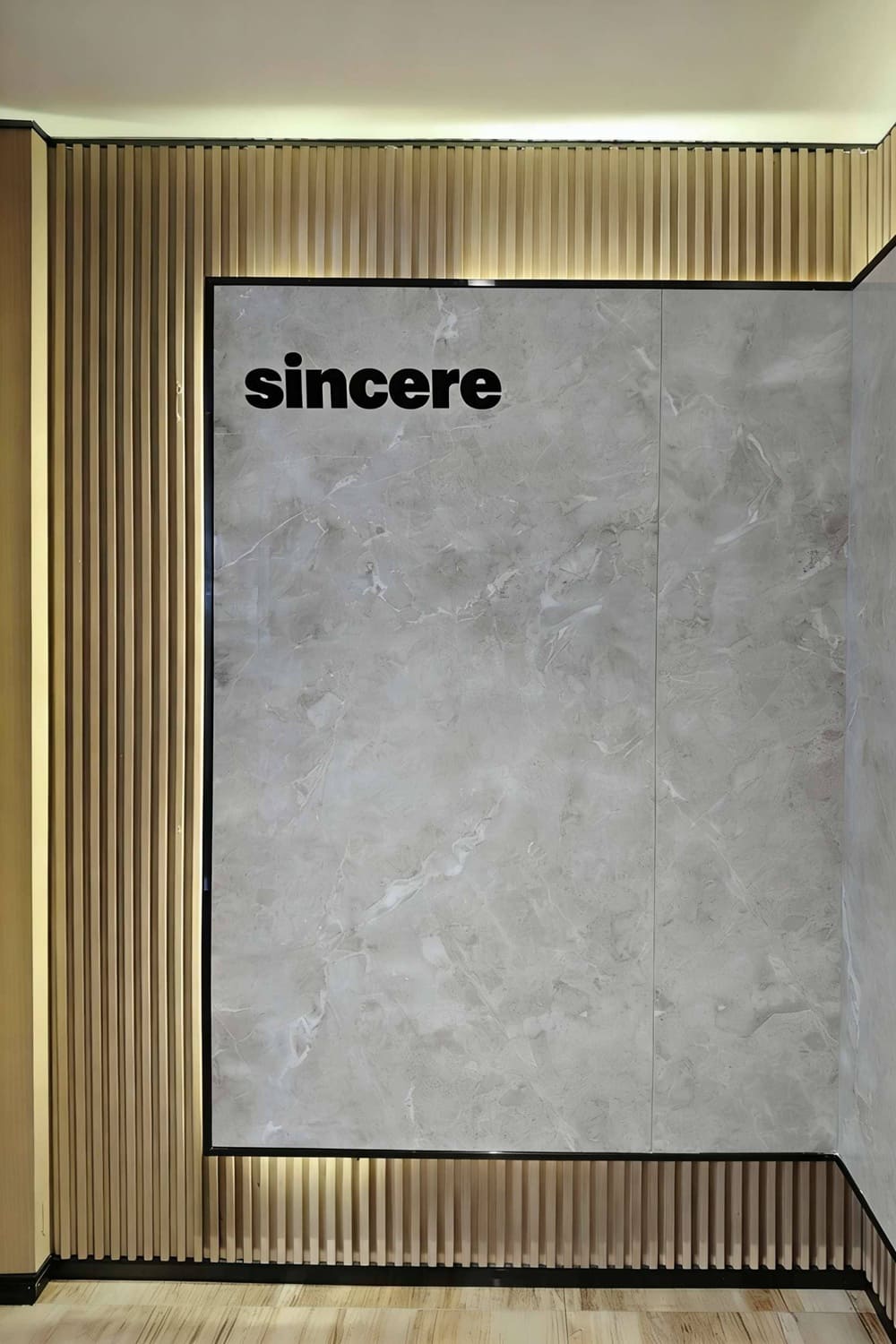
Numbers on paper tell part of the story. How the materials act in real buildings shows the true value over time.
Moisture and Humidity Resistance
Wet air causes trouble in many places. Kitchens get steamy. Coastal apartments feel damp. Hotel bathrooms stay moist even away from direct water. In these spots, old paint and wallpaper often bubble or grow mold after just a few years.
WPC fluted wall panels handle water well. They stay the same size. They do not swell much when humidity changes. Take one clear example. In a Southeast Asian apartment project, painted walls needed fresh paint after three years. Moisture left ugly stains. But the WPC walls right next to them kept their clean look with no extra work.
Because of this, the panels fit climates where humidity rises and falls with the seasons.
Durability and Impact Resistance
Busy places see lots of knocks. Office hallways get hit by carts. Retail shops deal with furniture and bags. Paint chips off. Wallpaper tears easily. Solid wood gets dents.
WPC interior wall panels stand up better. Their surface feels hard. Small hits usually leave only light marks. This cuts down repair work and saves money on upkeep for years.
Fire and Safety Performance
Old wood panels can catch fire fast unless extra coatings are added. WPC panels often come with built-in features that slow fire down. They meet normal inside building rules, depending on the exact mix.
For business builders, following fire safety rules matters a lot. These mixed materials give steady results that feel more reliable than plain natural wood.
Installation Efficiency and Labor Cost
How fast a job finishes changes the whole project. Older covers need many steps. Workers must level the wall first. Then they add primer. After that come several coats of paint or glue layers. Each step needs drying time.
Wallpaper demands careful matching of patterns. Ceramic tiles need mortar, waiting for it to set, and then grout work.
WPC fluted wall panels use simple clip systems or direct screws on frames. The whole job stays dry with almost no mess. In many average-size projects, install time drops by 30 to 50 percent compared with tiles or solid wood.
Contractors who face tight schedules love this. Faster work means lower worker costs and quicker handover to the owner.
Aesthetic Flexibility in Modern Interior Design
Looks often decide the final choice. Fluted panels bring something special.
The grooves create lines and soft shadows. Light plays across them and changes during the day. This effect works great in simple living rooms, Scandinavian homes, hotel bed walls, and office welcome areas. The 3D feel adds style without extra clutter.
WPC decorative wall panels come in many colors. You can pick wood-grain looks, soft matte tones, or calm grays that match today’s trends. Instead of painting again every few years, owners choose lasting finishes like walnut tone, oak tone, or charcoal gray. This keeps the space fresh longer and saves money.
Cost Comparison Over the Product Lifecycle
Up-front price is only the start. Total cost over years gives the real picture.
Paint looks cheap at first. Yet repainting every three to five years adds up fast. Wallpaper may need full replacement when it peels. Solid wood wants regular polishing or sanding.
WPC fluted wall panels cost more at the beginning than basic paint. Still, they need less care and almost no replacement. For builders handling many units, steady long-term costs matter more than the smallest starting price.
Environmental and Sustainability Considerations
Green building grows more important every year.
Solid wood pulls from forests. Paint and glues often hold harmful gases called VOC. Making ceramic tiles burns lots of energy in hot kilns.
Many WPC panels use recycled wood fibers and recycled plastics. This cuts waste and makes resources last longer. The dry install method also skips heavy chemicals on site. Rooms stay healthier for people inside.
Green projects that chase special certificates find these composite systems helpful. They support real eco goals without extra hassle.
Application Scenarios: Where WPC Fluted Wall Panels Excel
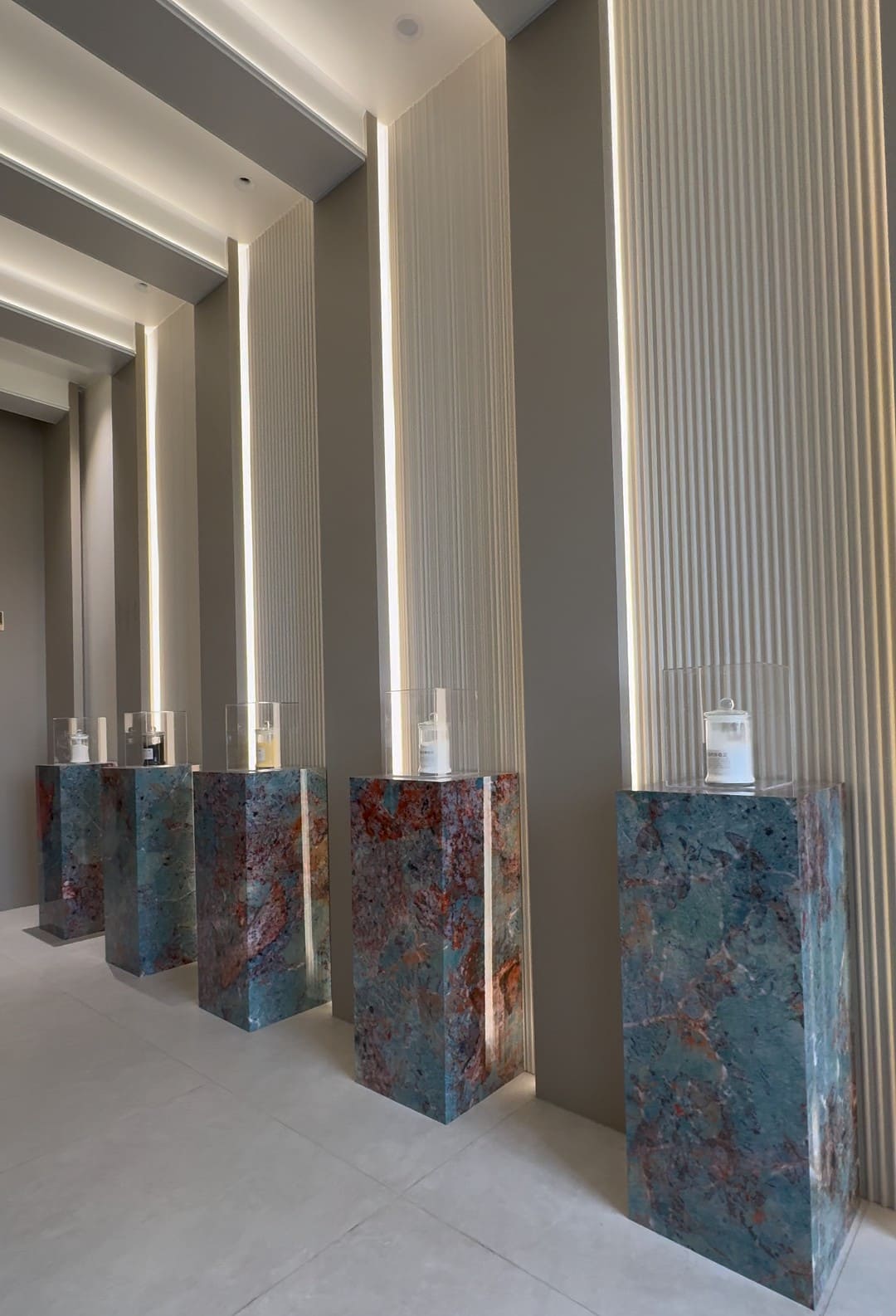
Not every wall needs the same cover. Some spots show the clear strengths of WPC panels.
Living room feature walls sit behind TVs or sofas. The grooves add depth and make the space feel special without big extra structures.
Hotel guest rooms get luggage bumps often. Strong WPC cladding behind beds cuts repaint work and keeps rooms nice longer.
Office reception areas look sharp with vertical grooves plus good lighting. The design sends a clean, modern message.
Retail stores use textured backgrounds to highlight products and draw eyes.
Apartment renovations finish faster with quick clips. Owners turn over rentals sooner and lose less rent money.
These cases explain why WPC interior wall panels show up more in homes and business jobs.
Why Global Buyers Source WPC Fluted Wall Panels from China
China now acts as a main center for mixed building materials. Factories there run mature lines with strong extrusion technology. Supply chains connect well and support big production runs with steady quality every time.
Factories that ship worldwide give clear benefits. The material mix stays the same. Colors match from batch to batch. Buyers can order custom lengths and special designs. Shipping runs smooth and on time.
Sellers and big buyers feel safer when they work with an experienced WPC fluted wall panel supplier. Supply stays reliable and quality problems drop.
About Foshan Sincere Building Materials Co., Ltd.
Foshan Sincere Building Materials Co., Ltd. works as a skilled maker and provider of WPC fluted wall panels and other inside decor items. The company has many years of making experience. It pays close attention to indoor WPC wall solutions that fit homes, business spots, and hotel projects.
Advanced extrusion lines run in the factory. Strict checks happen from raw materials to final product. The full line includes fluted wall panels, nice wall cladding, and matching inside materials. All meet world market rules.
The company serves buyers in many countries. It keeps supply steady, matches colors perfectly, and offers easy install systems. Through steady new ideas and real project work, Foshan Sincere Building Materials Co., Ltd. built a strong name as a trusted WPC fluted wall panels supplier in the building field.
Conclusion
When you compare WPC fluted wall panels with older choices like paint, wallpaper, solid wood, and ceramic tile, the gaps go past looks alone. Water fighting power, strength, fast setup, total cost, and green value all count.
For jobs that need fresh style plus low care and quick work, WPC interior wall panels offer a smart mix. As design trends move toward textured walls and long-life materials, fluted systems turn into a real building choice, not just a passing look.
FAQs
Are WPC fluted wall panels suitable for humid environments?
Yes. WPC fluted wall panels fight moisture well and keep their shape. They work in damp climates and inside spots where old paint or wallpaper often fail.
How long do WPC interior wall panels last?
Good quality WPC interior wall panels usually last 10 to 20 years in normal inside conditions. The exact time depends on good install and daily use.
Are WPC decorative wall panels difficult to install?
No. Most WPC decorative wall panels use clip or frame systems for dry work. The job goes faster and cleaner than ceramic tiles or solid wood covers.
Can WPC wall cladding be used in commercial projects?
Yes. WPC wall cladding appears often in hotels, offices, shops, and apartments. Its strength, modern look, and low care make it a top pick.
Is WPC fluted wall panel environmentally friendly?
Many WPC fluted wall panels come from recycled wood fiber and plastic parts. This lowers new material use and helps green building methods.


