
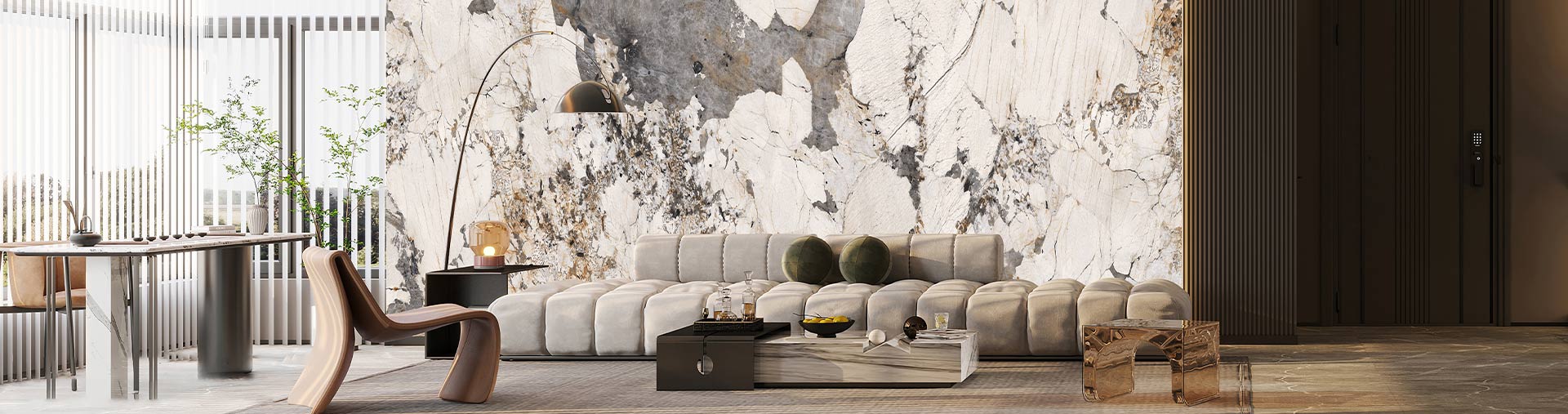
Why Flexible Stone Is Becoming a Smarter Cladding Choice
2026-07-23
Stone can provide richness to construction as well as durability, although normal stones are heavy, tough to cut, expensive in terms of transportation, and time-consuming to install. These are issues which have relevance in renovation, retail interiors, hotel projects, and constructions with curved features.
Flexible stone offers another route. This thin decorative material reproduces stone, travertine, rammed-earth, woven, and cut-stone effects without the bulk of full-thickness masonry. Low weight, bendability, and adhesive installation explain its growing use.
What Is Flexible Stone?
Flexible stone, also referred to by various names including flexible stone veneer, soft stone, or flexible wall cladding, is a thin mineral based facing material that is applied on top of any wall, ceiling, column, façade or decorative feature. It is considered a surface finish material rather than a structural component.
Its material composition varies. Certain sheets comprise a thin natural stone surface with a backing, although others use modified clay or mineral powder compressed into a pliable panel. Purchasers must assess the material according to technical data, test reports, backing and surface finish, as well as its ultimate use, rather than a product title alone.
Why Are More Projects Using Flexible Stone?
Project teams want finishes that look substantial but are easier to transport, cut, and install. Renovation work also calls for less load on existing walls.
Several advantages make flexible stone suitable for these conditions.
1. Low Weight Reduces Project Pressure
Selected flexible stone products weigh about 3–6 kg per square meter and are only a few millimeters thick. That helps on drywall partitions, upper floors, old façades, display walls, or lightweight structures where heavy stone may need extra support. Lower weight also eases handling and overseas freight.
2. Curved and Irregular Surfaces Become Easier
Rigid slabs are difficult to fit around round columns, arches, recessed shelving, angled corners, and flowing feature walls. Flexible stone for curved walls can follow a suitable radius and create a continuous finish with fewer awkward cuts.
In a retail store, the same surface can move from a wall around built-in shelving. On a villa façade, it can cover flat sections, vertical features, and columns while keeping one design language.
3. Installation Can Be Faster
Flexible stone installation generally follows a direct sequence: prepare a sound surface, plan the layout, cut the sheets, apply the specified adhesive, press the material evenly, and finish the joints or edges. Heavy lifting gear and thick mortar beds may not be required.
The substrate must still be clean, dry, stable, and reasonably flat. Exterior walls, wet areas, high temperatures, and mixed substrates need a suitable adhesive and sealing system. A small site trial is sensible before full installation.
4. It Gives Designers More Texture Choices
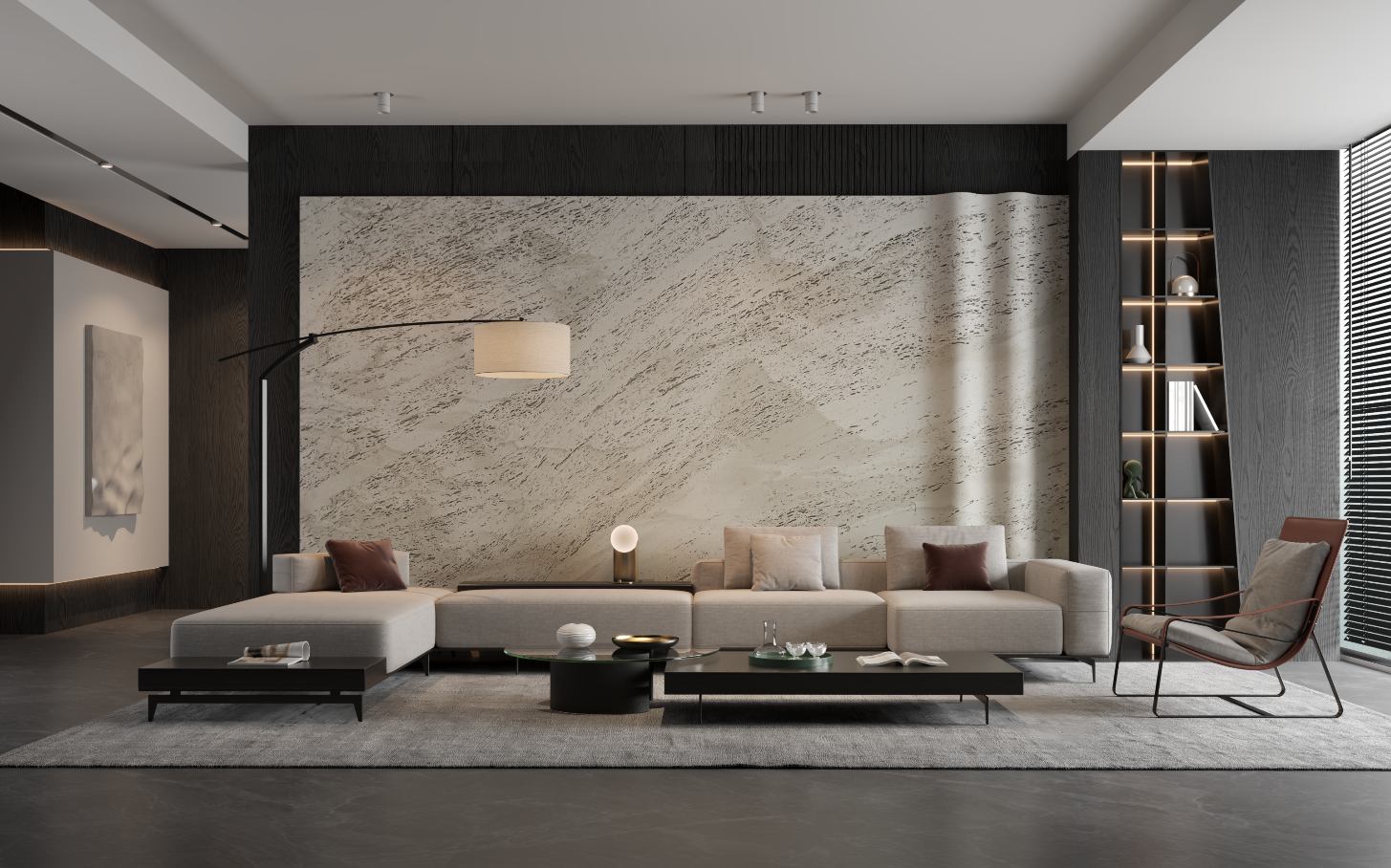
Flexible stone wall panels range from calm travertine and cut masonry to cave surfaces, rammed-earth effects, and woven patterns. Large sheets can make a lobby or façade feel more continuous, while smaller panels suit columns, shop walls, reception desks, and local repairs.
Typical design uses include:
- warm beige stone for villas and hotel entrances;
- gray cement-like textures for shoe stores and modern retail;
- rammed-earth finishes for restaurants, cultural spaces, and resorts;
- woven or relief textures for feature walls with side lighting.
5. It Works in New Construction and Renovation
Flexible stone for interior walls can be used behind a reception desk, along a hotel corridor, around a lift lobby, or as a living-room feature wall. Exterior-grade flexible stone cladding can be considered for villa façades, entrance walls, columns, and commercial elevations.
Thin flexible stone may be installed over suitable existing concrete, tile, wood-based panels, or metal sheets after correct preparation. This can reduce demolition, dust, debris, and closure time in a store or hospitality space.
Flexible Stone vs. Traditional Stone
Traditional stone remains a strong choice where full-depth material, natural variation, structural mass, or historic authenticity is central. Flexible stone is often more practical when the project prioritizes weight, speed, curves, and surface coverage.
| Project factor | Flexible stone veneer | Traditional stone |
| Weight | Light, often a few kilograms per square meter | Heavy and may need stronger support |
| Thickness | Usually a few millimeters | Commonly much thicker |
| Curved surfaces | Can follow suitable curves | Requires cutting or special fabrication |
| Site handling | Easier to carry and position | More labor and lifting may be needed |
| Installation | Often bonded with a specified adhesive | May require mortar, anchors, or support |
| Main role | Decorative wall and ceiling finish | Decorative, paving, or structural uses |
The full project cost should include freight, breakage, labor, cutting, wall preparation, access equipment, installation time, and maintenance—not only the price per square meter.
Performance Points Buyers Should Check
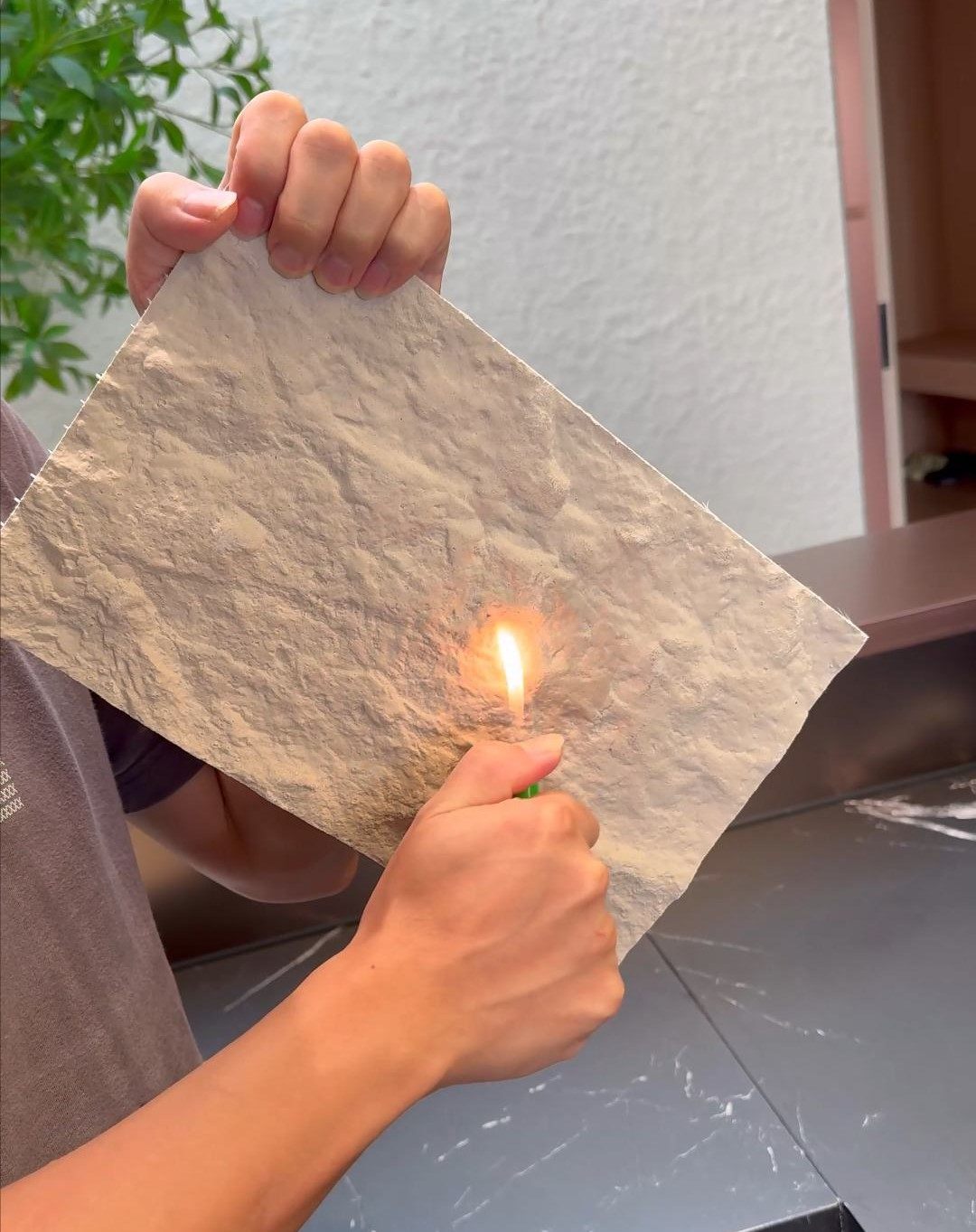
Waterproof flexible stone, fire-resistant flexible stone, and weather-resistant wall panels are common requirements, but performance depends on the actual product and the complete wall system. Some mineral-based products are specified with A2-level fire resistance, water resistance, chemical stability, mold resistance, and crack resistance. These points should be matched with current reports for the exact item.
Before approving a flexible stone supplier, check:
- thickness, weight, sheet size, and bending limits;
- interior or exterior grade;
- fire, water, UV, and weathering reports;
- approved adhesive, primer, grout, and sealer;
- substrate and corner requirements;
- color range, batch control, samples, and spare material;
- packaging and expected breakage allowance.
Where Does Flexible Stone Add the Most Value?
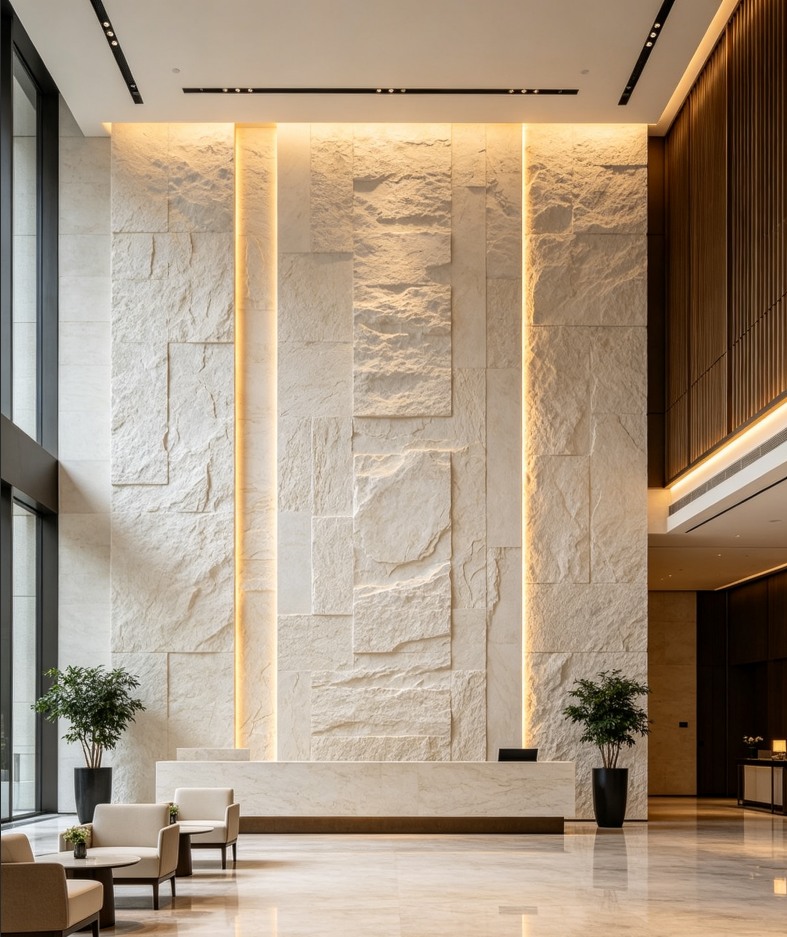
The best applications are places where appearance and construction efficiency carry equal weight.
Residential and Villa Façades
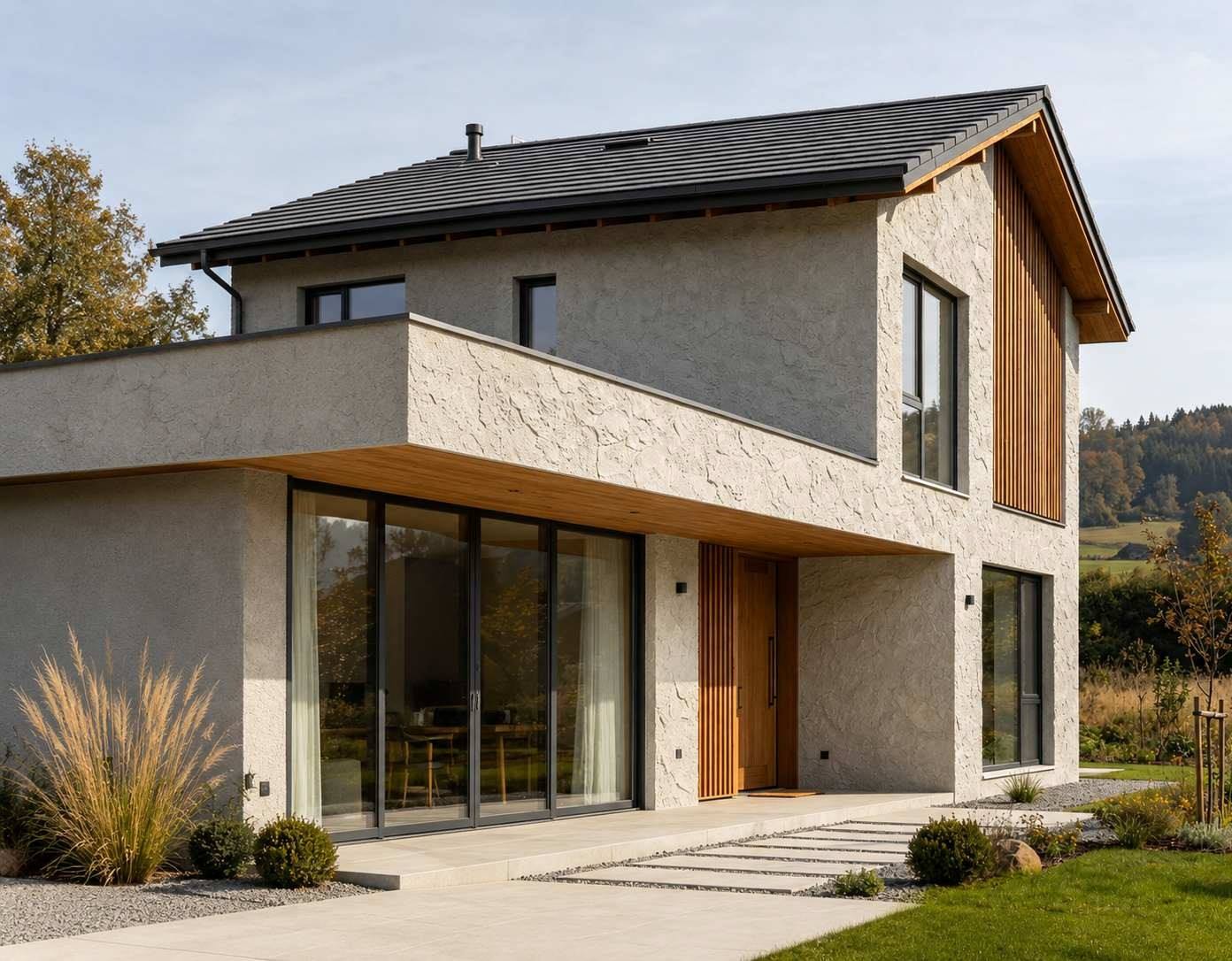
A modern villa may combine pale textured walls, dark frames, wood-look details, and long vertical features. Lightweight exterior wall cladding helps create this layered façade without covering every elevation in heavy stone. Large panels can also reduce visible joints.
Hotels, Restaurants, and Offices
Hotel lobbies need finishes that feel solid under changing light. Restaurants need warm texture without thick wall build-ups. Office reception areas benefit from faster installation because long shutdowns affect business.
Retail Stores and Showrooms
Retail fit-outs often include columns, shelving niches, changing displays, and short construction windows. Gray stone-effect sheets can support an industrial interior, while lighter travertine textures suit fashion, furniture, and lifestyle stores. A thin wall finish also makes later refits less disruptive.
Foshan Sincere Building Materials Co., Ltd. as a Flexible Stone Supplier
Foshan Sincere Building Materials Co,. Ltd (founded 2007, China), a worldwide manufacturer, supplies indoor-outdoor building finishes including flexible stone, wall panels, tiles, flooring, and exterior materials. Its overseas presence includes South America, Europe, Southeast Asia, the Middle East, and Africa. It states the existence of ISO 9001, ISO 14001, ISO 45001 awards and offers samples, application references, videos and direct project interaction. For importers, contractors and design practices wider range can facilitate projects requiring coordinated wall and floor products. Samples and specifications remain important.
Conclusion
Flexible stone is receiving more attention because it clearly addresses site issues. It provides a stone-like surface of a reduced weight, lighter dimensions, simplified installation, increased mobility on curved surfaces and a broad choice of surface textures. It can be useful for the facades, commercial internal fit-out, hotel, retail, office and refurbishment projects.
The outcome is also influenced by product grades, substrates, preparation, adhesives, joints, exposure to weather and building regulations. Please ask for samples and technical data up front to take a potential good product into a reliable wall system.
FAQs About Flexible Stone
Is flexible stone suitable for exterior walls?
Yes, when the product is rated for exterior use and installed with the correct primer, adhesive, joint treatment, and sealer. Climate, UV exposure, rainfall, temperature movement, and substrate condition should be reviewed before specification.
Is flexible stone waterproof?
Some flexible stone sheets are sold as waterproof or water-resistant, but the sheet alone does not make the full wall waterproof. Joints, corners, penetrations, adhesive, backing wall, and drainage details must also be treated correctly.
Can flexible stone be installed on existing tiles?
It may be bonded over sound existing tiles after cleaning, checking adhesion, repairing hollow areas, and applying the required primer. A pull-off test or sample panel is advisable, especially on exterior walls or large commercial areas.
How durable is flexible stone?
Durability varies with composition, surface coating, exposure, installation quality, and maintenance. Request impact, fire, water, UV, and weathering data for the chosen product, then follow the supplier’s installation and cleaning instructions.


