
What Is PU Stone A Practical Guide for Modern Decoration
2026-05-21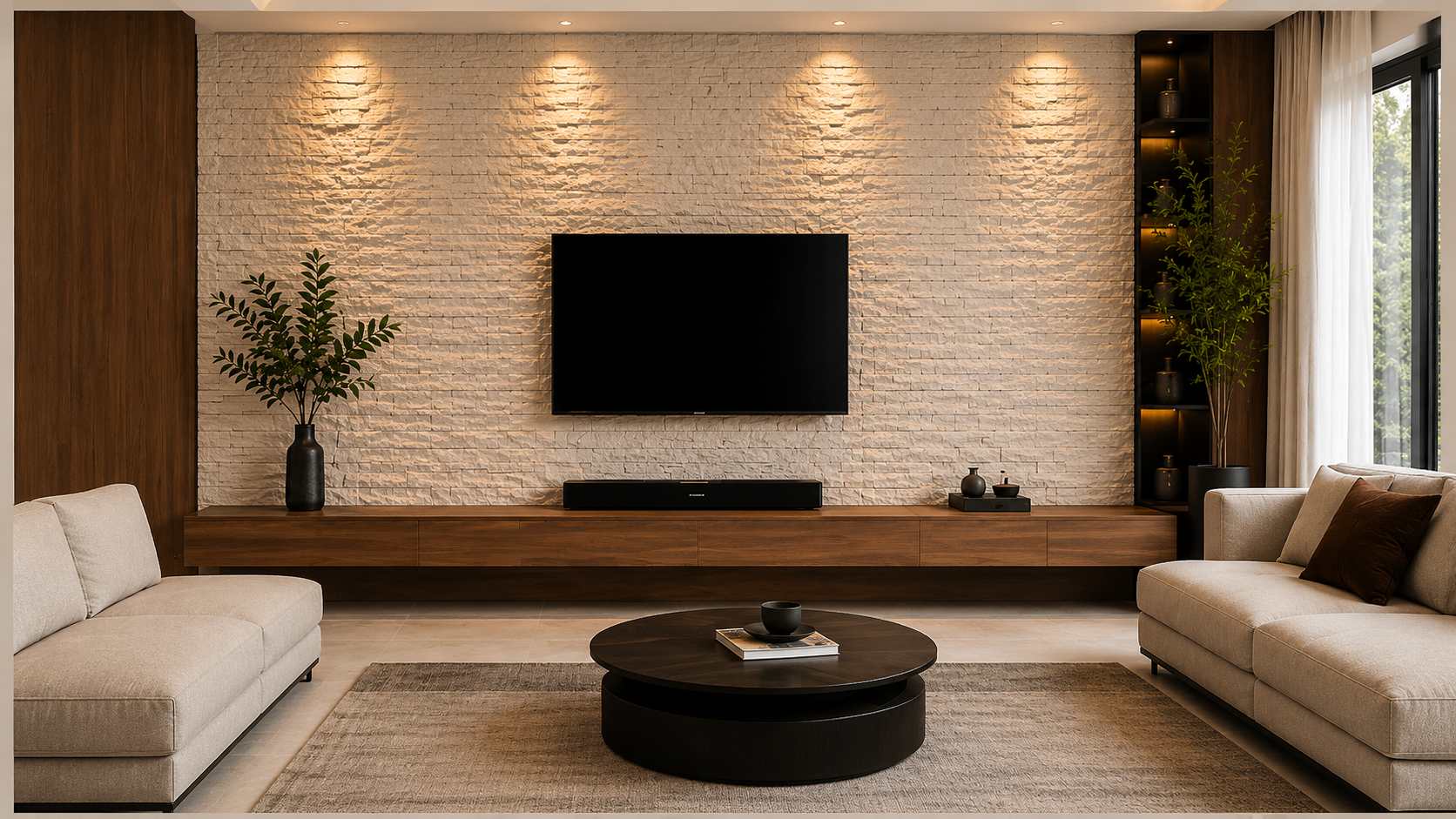
PU stone has become a popular choice for wall decoration because it gives a room the look of natural stone without the heavy weight, long installation time, or high handling cost. For homeowners, it can turn a plain TV wall into a textured feature wall. For contractors and project buyers, it can reduce labor pressure on hotel, villa, shop, and apartment renovation jobs.
In simple terms, PU stone is a lightweight faux stone wall panel made from polyurethane material. It is designed to copy the grain, raised surface, and rough edge of real stone. The result is a decorative wall panel that looks strong and natural but is easier to cut, carry, and install.
What Is PU Stone?
PU stone, also called polyurethane stone, is an artificial stone wall panel made from high-density PU material. It is not cut from a quarry like natural stone. Instead, it is formed through molds and finished with surface treatment, so the panel can show stone-like color, cracks, texture, and depth.
This type of wall cladding material is mainly used for decoration. It works well when a project needs the visual effect of stone but does not need the full weight and structure of real stone.
PU Stone Meaning and Material Structure
The “PU” in PU stone means polyurethane. This material is light, stable, and easy to shape. During production, the surface pattern is often taken from real stone texture, then copied through molds. That is why PU stone panels can show a 3D stone effect instead of a flat printed pattern.
A good PU stone wall panel should have:
- Clear stone grain and raised texture
- Stable color coating
- Neat edge shape for easier joining
- Suitable thickness for the application area
- A back structure that supports adhesive or screw fixing
The main value of PU stone is balance. It does not try to replace natural stone in every case. Instead, it gives builders and owners a faster, lighter, and more flexible way to create a stone-look wall.
Why Does PU Stone Look Like Natural Stone?
PU stone looks realistic because its mold is made based on the real stone. The panel can copy broken edges, uneven layers, stacked stone shapes, mushroom stone texture, cement stone style, or stone skin patterns.
Light also plays a big role. When a wall has raised and recessed areas, shadows appear naturally. This makes PU stone wall panels more vivid than wallpaper or flat printed boards. In a living room, one feature wall behind the sofa can make the whole space feel warmer. In a restaurant, textured stone effect wall panels can help create a calm, rustic, or modern industrial mood.
Main Advantages of PU Stone Panels
PU stone is chosen for many renovation projects because it solves several problems at once. It reduces wall load, shortens installation time, and still gives a strong decorative effect.
For buyers comparing faux stone wall panels, stone veneer panels, tiles, paint, and natural stone, the key question is not only “Which one looks better?” A better question is “Which one fits the project budget, wall condition, labor skill, and installation schedule?”
Lightweight Design for Easier Renovation
One major reason PU stone panels are widely used is weight. Many PU stone panels weigh about 4–6 kg per square meter. This is much lighter than natural stone. The difference matters on real job sites.
For example, in a second-floor villa renovation, heavy stone may need more workers and careful handling through stairs. PU stone can be carried more easily and fitted faster. In a retail shop upgrade, lighter panels also help reduce closure time because the work can move ahead without heavy lifting equipment.
Realistic Stone Texture with Lower Installation Pressure
Natural stone has a premium feel, but it can bring extra work. Cutting, transporting, fixing, and protecting real stone often needs skilled labor and stronger wall preparation. PU stone panels are easier to manage on many decorative walls.
This makes them useful for:
- TV background walls in apartments
- Bedroom headboard walls
- Hotel corridor walls
- Restaurant feature walls
- Villa entrance areas
- Commercial display spaces
The wall gets a clear stone look, but the project avoids many heavy-stone problems.
Waterproof, UV Resistant, and Durable Features
PU stone panels can offer practical surface performance for daily use. Quality panels often have waterproof, fire-resistant, UV-resistant, anti-aging, and low-temperature resistant properties. This is useful for walls that may face light moisture, sunlight, or changing indoor temperatures. PU stone panels can be used outdoors; the wall surface just needs to be level to secure the panels.
Where Can PU Stone Wall Panels Be Used?
PU stone wall panels fit many decoration scenes because they are light and visually strong. They are especially good for areas where a flat painted wall feels too plain, but real stone feels too heavy or expensive.
Before choosing a style, project teams should look at the wall size, lighting, furniture color, cleaning needs, and whether the wall is indoors or outdoors.
Interior Walls and TV Background Walls
Interior stone wall panels are common in living rooms, bedrooms, studies, entrances, and corridors. In a home setting, the TV background wall is one of the best places to use PU stone. The wall becomes the visual center, while the furniture can stay simple.
For small apartments, lighter colors work better because they keep the room open. For larger homes, darker stacked stone panels can add depth behind a sofa or fireplace-style feature wall.
Hotels, Restaurants, Villas, and Shops
Commercial spaces need materials that look good and can be fitted within a set schedule. PU stone wall panels are useful in hotel lobbies, guest room corridors, café walls, restaurant reception areas, villa stair walls, and retail display zones.
A restaurant may use mushroom stone panels to create a natural dining mood. A boutique hotel may use stone skin panels behind the front desk for a warmer first impression. A villa project may combine PU stone with wood grain wall panels, tiles, or SPC flooring for a fuller material palette.
Exterior Walls and Building Facades
PU stone panels can be used on exterior walls, garden walls, entrance columns, and building façade accents. For this type of use, product quality and installation details are more important. Outdoor walls face sun, rain, wind, temperature changes, and dust. When installing PU stone panels outdoors, as long as the wall is level and the panels can be securely fixed, it’s fine.
Common Types and Sizes of PU Stone Panels
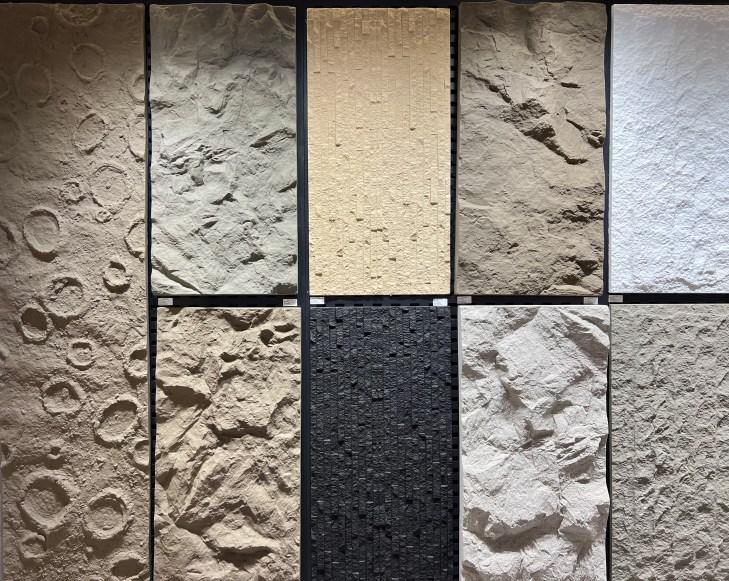
PU stone is available in many shapes. The right choice depends on the design style and the size of the wall. A large wall may need a stronger texture. A small wall may look better with a cleaner, flatter pattern.
| Type of PU Stone Panel | Common Use | Visual Style |
| Great wall stone | Living rooms, shop walls, villa entrances | Layered and modern |
| Mushroom stone | Outdoor walls, rustic interiors, restaurants | Rough and solid |
| Flowing stone | Feature walls, corridors, commercial spaces | Natural and continuous |
| Cement stone panel | Modern homes, offices, retail spaces | Clean and industrial |
| Stone skin panel | Large wall surfaces, façades, feature areas | Thin stone-like texture |
Some common sizes include 1200×600 mm and 1200×450 mm for cement stone and mushroom stone panels. Stone skin panels may come in larger formats such as 2400×800 mm, 2400×300 mm, or 1200×600 mm. Thickness often ranges from 20 mm to 100 mm, depending on style and structure.
PU Stone vs Natural Stone: Which Is Better?
PU stone and natural stone serve different needs. Natural stone is heavy, mineral-based, and unique in texture. PU stone is lighter, easier to install, and more suitable for fast decoration work.
The better choice depends on project purpose. A luxury outdoor landmark may still choose natural stone. A hotel corridor, apartment TV wall, restaurant renovation, or retail store refresh may gain more practical value from PU stone wall panels.
Comparison Table
| Factor | PU Stone Panels | Natural Stone |
| Weight | Light, about 4–6 kg/㎡ in many cases | Heavy |
| Installation | Adhesive, screws, or nails may be used | Often needs skilled stone work |
| Cutting | Easier on site | More difficult |
| Wall load | Lower | Higher |
| Cost control | Better for many renovation jobs | Higher material and labor cost |
| Texture | Realistic visual texture | Real stone touch and mineral depth |
| Best use | Feature walls, fast renovation, commercial interiors | High-end permanent stone projects |
Visual Effect and Touch Difference
PU stone can look very close to natural stone from normal viewing distance, especially when the lighting is planned well. But it will not feel exactly the same when touched. This difference should be clear before buying.
For most decorative walls, people mainly view its surface first, then its feel. That is why PU stone works well on TV walls, hotel corridors, shop displays, villa walls, and reception backgrounds.
How to Install PU Stone Panels?
Installation is one of the main reasons many buyers choose PU stone. It can usually be cut and fixed more easily than natural stone. Even so, good preparation still decides the final result.
A rushed installation can leave uneven lines, visible gaps, or weak fixing points. Proper layout and clean wall preparation should come first.
Prepare the Wall Base
The base wall should be flat, dry, clean, and firm. Dust, oil, loose paint, or damp patches can affect bonding. For uneven walls, OSB board or wood battens may be used to create a better surface.
Before installation, panels should be laid out on the floor. This helps the installer match colors, avoid repeated patterns, and plan cuts around switches, corners, doors, and ceiling lines.
Cut, Arrange, and Fix the Panels
PU stone panels can be cut on site according to wall size. A staggered layout often looks more natural than a strict straight-line layout. Structural adhesive can be applied to the back of the panel, then the panel can be pressed onto the wall. Nails or screws may be added for stronger fixing where needed.
Corners and edges should be handled with care. These small areas often decide whether the wall looks like a professional finish or a quick cover-up.
Repair Nail Holes and Finish the Joints
After fixing, nail holes can be repaired with matching repair paste. Joints should be checked under real room lighting because shadows may show small gaps more clearly. For commercial projects, a sample wall is helpful before full installation.
How to Choose Quality PU Stone Panels?
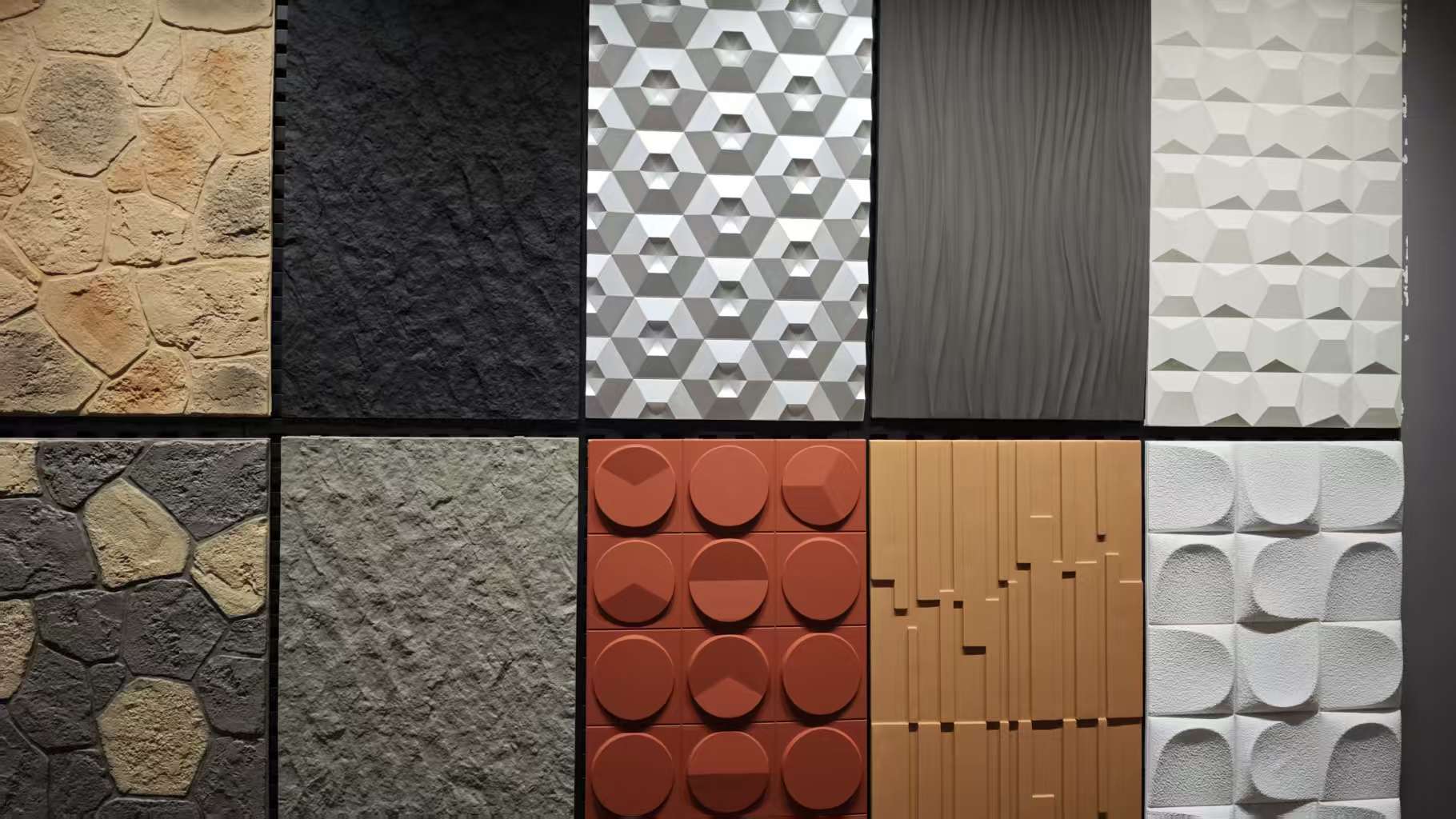
A good PU stone panel should look natural, stay stable, and fit the project schedule. Price matters, but low price alone can create problems if the surface fades, the coating peels, or the panels do not join well.
Buyers should judge PU stone panels from both design and job-site angles.
Check Surface Texture and Color Stability
Surface treatment affects both appearance and service life. In-mold coating usually gives better texture and stronger paint adhesion, while film covering may cost less but can be weaker in color stability and surface feel.
For bulk orders, it is wise to check samples under warm light, white light, and natural daylight. A panel may look different in a showroom than it does in a hotel corridor or home living room.
Confirm Size, Thickness, and Project Use
Panel size affects waste rate, packing, shipping, and installation time. Large panels may cover walls faster, but smaller panels may fit corners and small rooms better. Thickness also changes the final look. A thicker PU stone wall panel gives stronger relief, while a thinner style may feel cleaner and more modern.
For project buyers, the order should match wall drawings, site measurements, spare quantity, and delivery schedule.
Foshan Sincere Building Materials Co.,Ltd. as a PU Stone Supplier
Foshan Sincere Building Materials Co.,Ltd. supplies building decoration materials for home, commercial, and project use. Its product range covers tiles, wall panels, SPC flooring, flexible stone, indoor WPC fluted wall panels, and outdoor floor and wall products, giving buyers more choices when matching wall, floor, and façade materials within one project.
As a PU stone supplier, Sincere can support buyers who need lightweight faux stone wall panels for residential renovation, hotel decoration, restaurant design, villa projects, retail spaces, and exterior accent walls. The company’s building material experience and overseas market service are useful for importers, contractors, distributors, and designers who need product selection, material matching, packing discussion, and project communication.
For buyers sourcing from China, Foshan is also a strong building materials center. Working with a supplier that can offer wall panels, tiles, flooring, and flexible stone together can reduce repeated communication and make project material selection more consistent.
Conclusion
PU stone is a practical wall decoration material for projects that need the look of natural stone without the weight and slow installation of real stone. It is light, textured, easy to cut, and suitable for many interior and selected exterior wall applications.
For homes, it can create a strong TV background wall, entrance wall, or bedroom feature wall. For commercial projects, it can help hotels, restaurants, villas, shops, and showrooms build a stone-look space with better control over labor and schedule. The best results come from choosing the right panel type, checking surface quality, planning the layout, and using proper installation methods.
FAQs About PU Stone Panels
What is PU stone made of?
PU stone is mainly made from high-density polyurethane material. It is shaped through molds and finished with surface treatment to copy the look of natural stone texture.
Are PU stone panels good for interior walls?
Yes. PU stone panels are suitable for many interior walls, including TV background walls, sofa walls, bedroom headboard walls, corridors, hotel walls, and restaurant feature areas.
Can PU stone panels be used outside?
Yes. PU stone panels can be used for exterior walls and façade accents, because the panel should have suitable UV resistance, waterproof surface performance, proper fixing, and sealed joints.
Is PU stone better than natural stone?
PU stone is better for lightweight renovation, fast installation, and cost control. Natural stone is better when a project requires real mineral texture, heavier structure, and a premium stone touch.


