
SPC vs WPC Flooring Which Fits Your Space
2026-04-17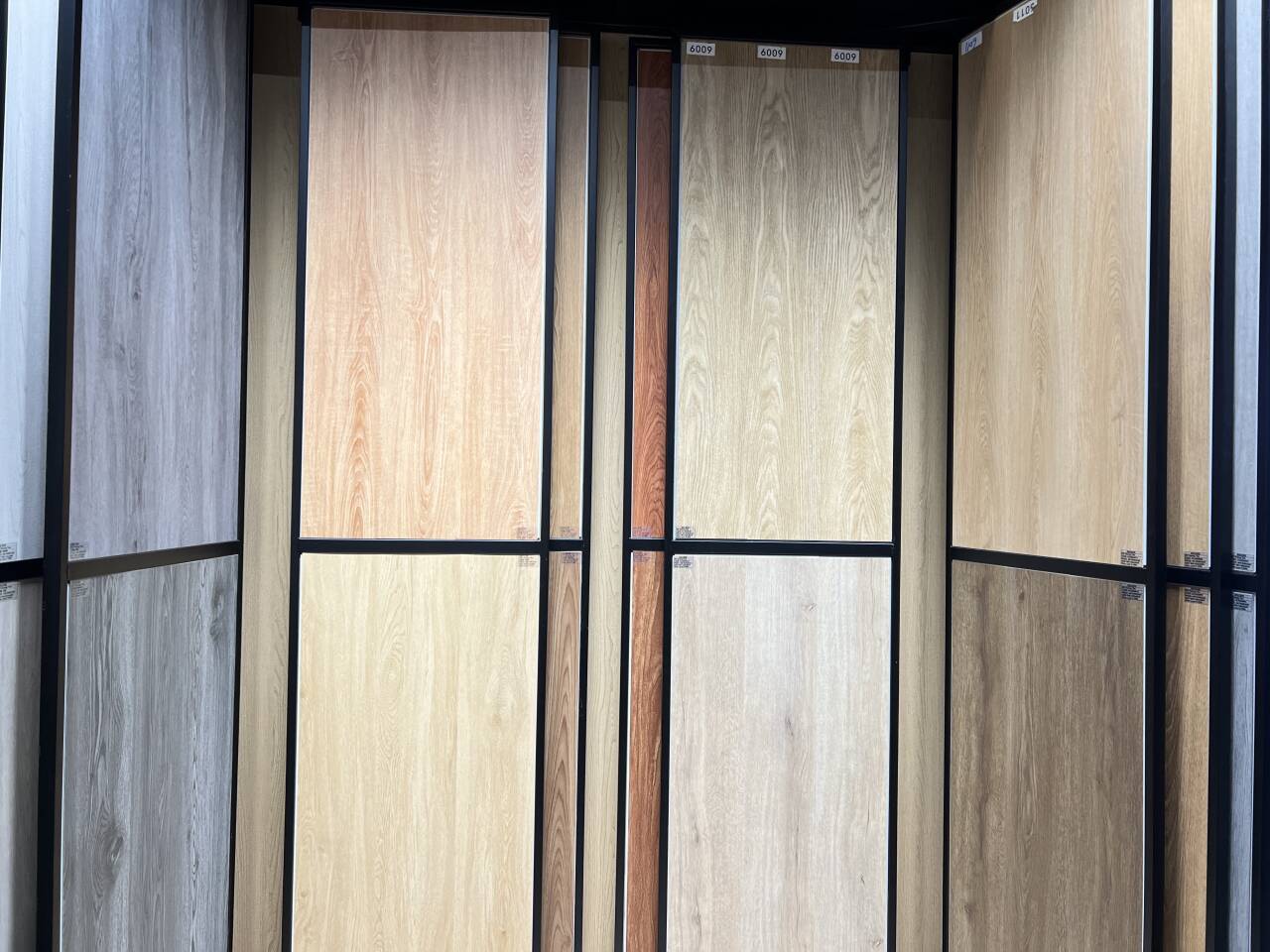
SPC flooring and WPC flooring often get grouped together. Both fall under the waterproof flooring type. People use them a lot in today’s homes and business buildings. Still, they are not identical. The main build, the way they feel when you walk on them, the noise they make, how well they hold up under weight, and the best places to use them can vary quite a bit. For people picking floors for spots like kitchens, bedrooms, offices, display areas, balconies, or yard spaces, these variations count more than just how they look on top.
What SPC Flooring and WPC Flooring Mean
A simple explanation sets up the comparison well. Both types aim for easy, everyday use with little upkeep. Yet, their basic makeup points them to different areas and how they hold up day by day.
What is SPC flooring?
SPC means stone plastic composite. This flooring uses a stiff base that mixes steadiness with good defense against regular use. Folks pick it often for areas that require water protection and a tough top, like kitchens, bathrooms, hallways, store insides, offices, and places to rent.
SPC flooring is water-resistant, easy to maintain, and formaldehyde-free; it can be installed DIY, making it ideal for both owner-occupied homes and rental properties. With its rapid installation process, you can lay it down and move in immediately.
What is WPC flooring?
WPC mostly means wood plastic composite flooring. For inside use, WPC flooring comes with a fuller and more padded base than SPC. This change shifts how the floor feels and sounds in normal life. WPC flooring tends to feel gentler under your feet. It can cut down on the sharp walking noise that stiff floors often have.
WPC also shows up in outside composite flooring. There, outdoor WPC floor gets used in spots like balconies, patios, yard paths, and other open areas. Buyers there want a wood-like look with less work than real wood. That is why WPC flooring pops up in talks about both inside and outside products. Meanwhile, SPC flooring sticks more to inside stiff core types.
SPC Flooring vs WPC Flooring: Key Differences
At a quick look, the two items might seem alike. But when you think about setup, how they feel to walk on, and daily handling, the gaps stand out more.
| Factor | SPC Flooring | WPC Flooring |
| Core structure | Dense and rigid | Thicker and more cushioned |
| Underfoot feel | Firm and solid | Softer and warmer |
| Sound level | More solid step sound | Quieter in many rooms |
| Dent resistance | Usually stronger | Good, but generally softer |
| Moisture resistance | Very strong | Very strong |
| Best indoor use | Kitchens, bathrooms, retail, offices | Bedrooms, living rooms, upper floors |
| Outdoor suitability | Not typically used outdoors | Outdoor WPC floor is widely used |
| Cost tendency | Often more cost-efficient | Often slightly higher |
Durability and Waterproof Performance
How well a floor works in actual rooms often picks the winner. It might face dropped items, chair shifts, water, regular wipes, or hours of steps. A choice good for one spot might not suit another.
Where SPC flooring stands out
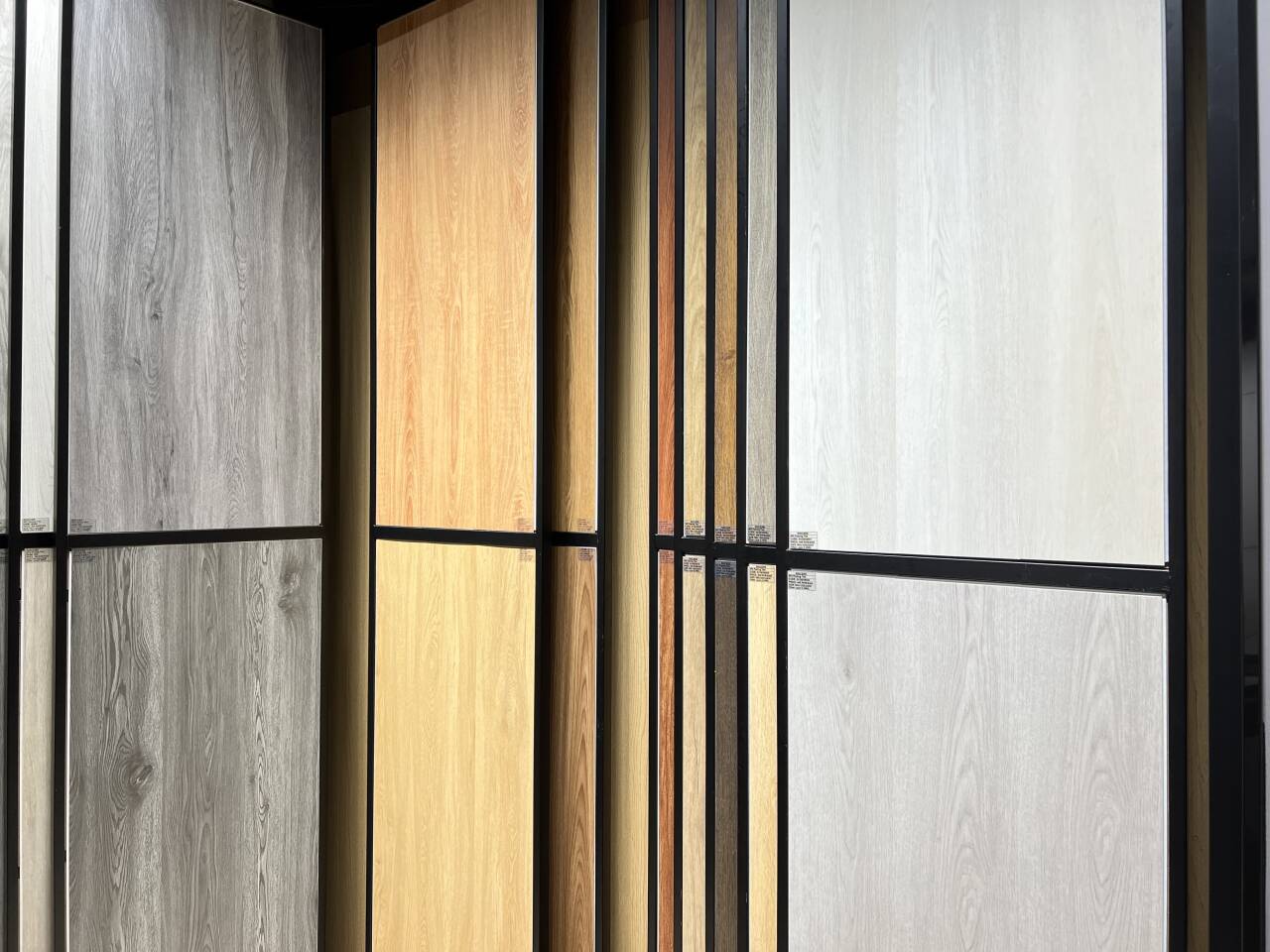
SPC flooring stands out for its excellent waterproof performance, making it a practical choice for spaces exposed to spills and moisture. At the same time, its realistic wood-look texture creates a refined and high-end visual effect, helping indoor spaces feel more elegant, stylish, and professionally designed.
Thus, SPC flooring fits well for these:
- kitchens and dining areas
- bathrooms and utility rooms
- offices and meeting rooms
- retail stores and showrooms
- rental properties and public interiors
Waterproof SPC flooring shines in places where water and weight mix. The top might clean up fast. But if the base lacks stiffness, wear shows over time. SPC fixes this. It pairs water-safe build with a hard, steady bottom.
Where WPC flooring works better
WPC flooring joins the tough waterproof group too. However, its power points another way. People choose it for ease, less noise when walking, and a cozier home vibe. In sleep rooms, family areas, and top levels, the small give in WPC flooring can help each day.
In home spots, you notice the change easily. A gentler floor feels toastier in the a.m. It is nicer for kids playing. And it is less rough for long stands. For that, WPC flooring matches homes that care about comfort along with water guard.
When placed outside, WPC floor plays a fresh part. Balcony tops, yard covers, patio paths, and like open jobs need stuff that looks real but skips wood’s chores. There, outdoor WPC floor brings a smart mix of looks, weather hold, and basic care.
Comfort, Sound, and Everyday Use
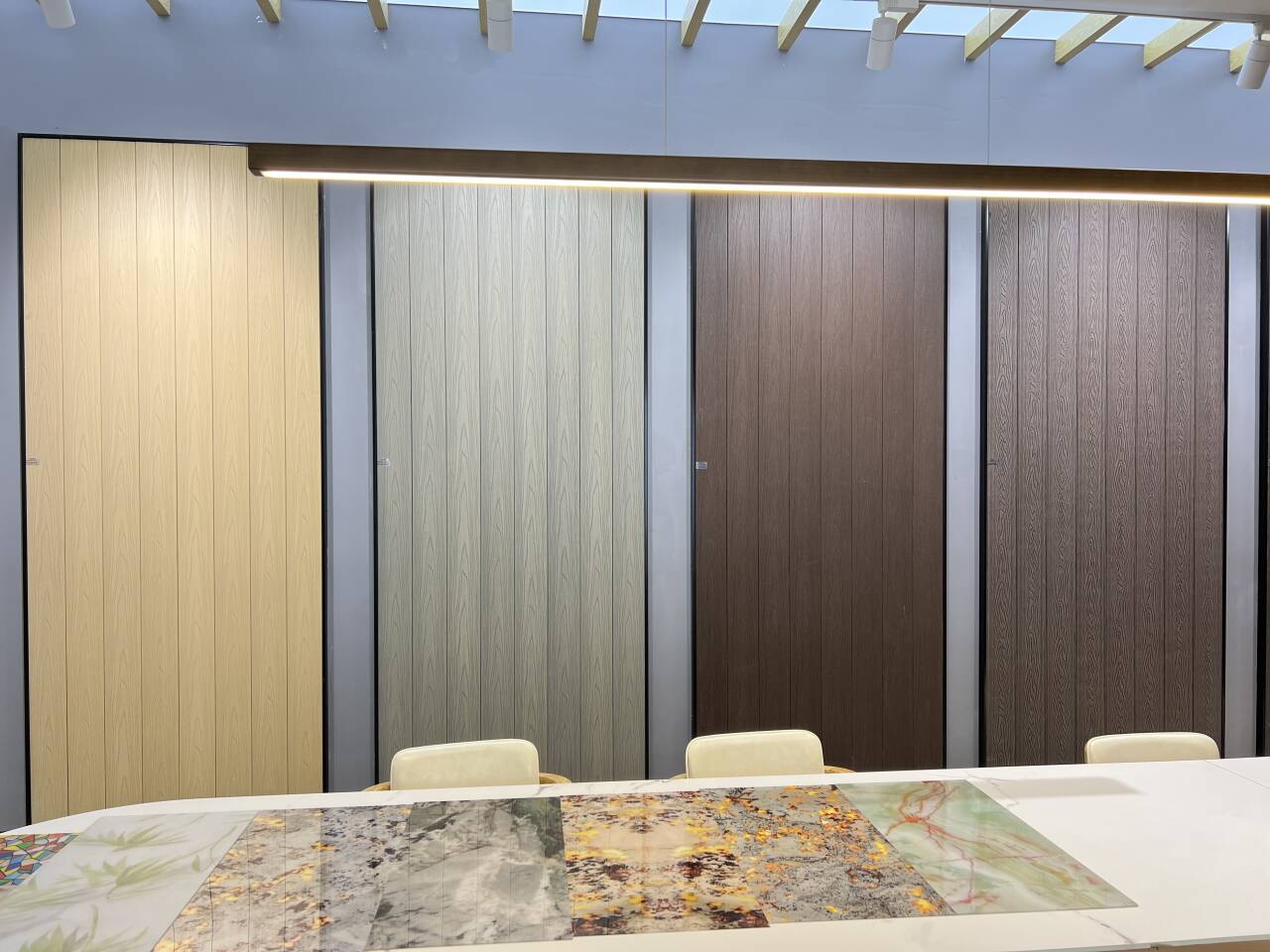 Tech toughness is just one piece. Floors get used daily. They shape room noise, room touch, and how simple it is to get around from dawn to dusk.
Underfoot comfort and room acoustics
This marks one of the sharpest splits between SPC flooring and WPC flooring. WPC flooring often feels gentler and less loud. In top-floor sleep spots, family zones, and rest areas, that can calm the whole space. Soft steps, kids roaming, and home steps make less crisp sound on a padded base.
SPC flooring brings a sturdier touch. That firm side is why it gets picked for business jobs and active inside spots. Some folks like that thick, steady walk. It feels more real. Others go for WPC’s toastier, calmer touch. The right pick hinges on the room and daily foot work.
Cleaning and upkeep
Both SPC flooring and WPC flooring aim for simple care. Normal clean-up means brushing, sucking dust, or light wet wipes. That ease is why these items see wide use in fixes and fresh builds.
For most business and home users, the daily tasks stay basic:
- clear dust and bits often
- wipe spills quick
- add chair guards where key
- skip pulling sharp or heavy stuff over the floor
Both types handle these steps without fuss. This keeps them popular for quick projects. And it fits well with busy lives.
Installation and Project Practicality
Setup impacts price and time on site. Many times, folks select floors not just for how they act after but also for how well they go in during the work.
Click-lock systems and fitting speed
Both SPC flooring and WPC flooring often come as click lock flooring. This setup is liked because it stays neat, works fast, and fits many inside jobs. Unlike old glue methods, click-lock cuts down on dirt and speeds up the lay.
For builders, sellers, and project folks, key points need a check before buy:
- total thickness
- wear layer
- backing layer
- locking profile
- subfloor condition
- planned room use
A sleep room job differs from a store one. You judge them by their own rules. A floor great in a calm home might not suit steady business steps. Likewise, a pick for a balcony or yard should count as outdoor composite flooring. It is not like standard inside goods.
These checks help avoid mix-ups. They ensure the floor lasts in its spot.
Choosing the Right Flooring Based on Real-Life Scenarios
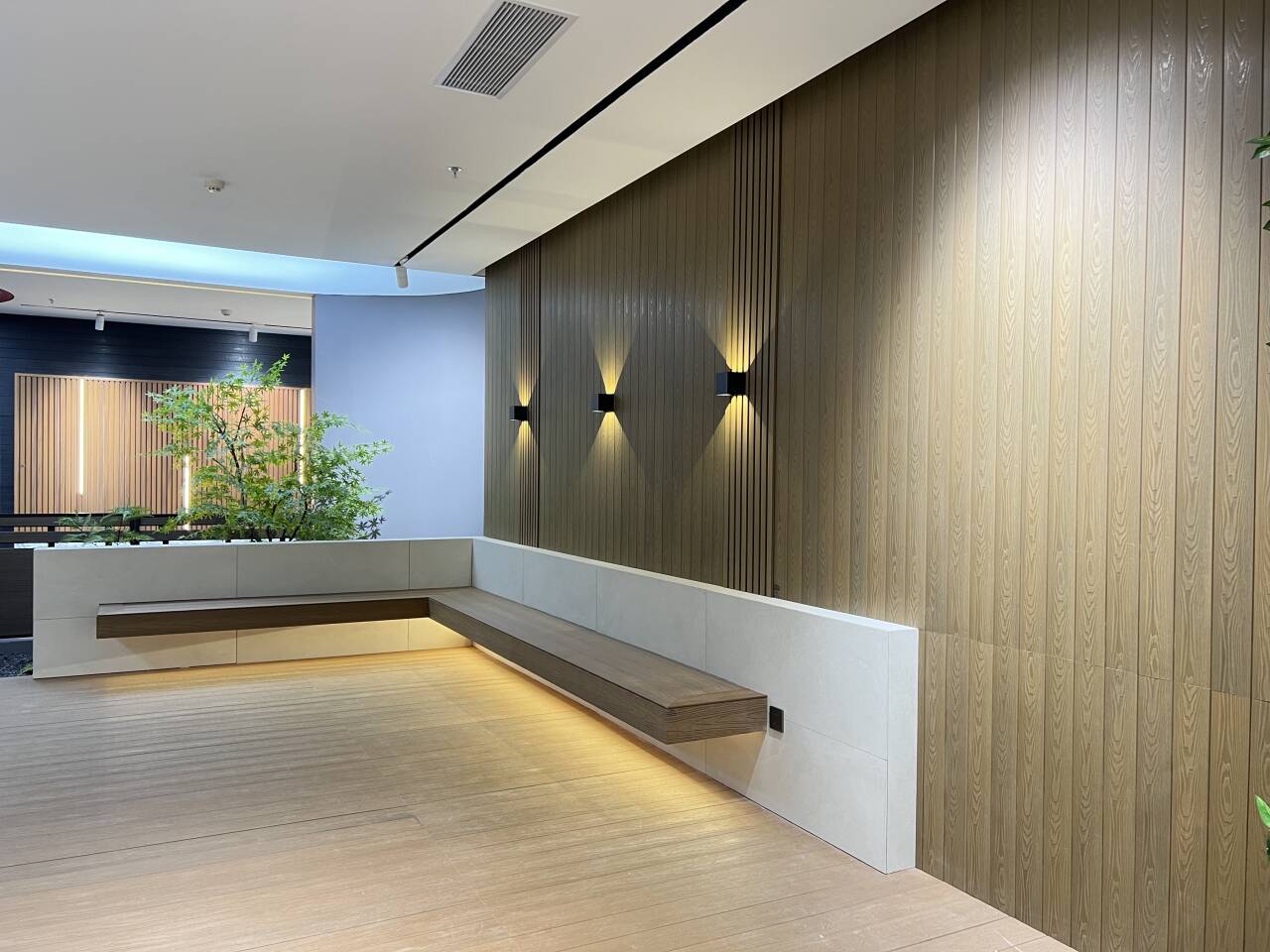
When choosing between SPC and WPC flooring, the decision is best guided by how a space is used rather than its label. In high-traffic areas such as retail stores, shared offices, or rental units, floors endure constant movement and pressure. SPC flooring performs more reliably in these environments due to its rigid core, which enhances stability and minimizes visible dents over time.
In residential settings focused on comfort—such as bedrooms, living rooms, and upper floors—WPC flooring is often preferred. Its cushioned structure provides a softer underfoot feel and helps reduce noise, contributing to a quieter and more comfortable living experience.
Some areas, like covered balconies or semi-open terraces, face both indoor and outdoor conditions, including moisture and temperature changes. For fully exposed spaces, outdoor WPC flooring is commonly used for its weather resistance and low maintenance. In renovation projects, both SPC and WPC offer efficient installation through click-lock systems. Ultimately, the choice depends on prioritizing durability or comfort.
About Foshan Sincere Building Materials Co., Ltd.
Foshan Sincere Building Materials Co., Ltd.01 started in 2007 as a supplier of build stuff. It covers inside and outside wall and floor items. The floor range includes SPC flooring and WPC flooring for varied job wants. The firm helps buyers in many far-off markets. It aids with item asks, use tips, and project talks via a full list and reach system. For those seeking an SPC flooring supplier or a WPC flooring supplier, this mix of items and job help matters big in first checks. The company builds trust through steady supply. It focuses on quality for global needs.
Conclusion
SPC flooring and WPC flooring each show solid points. SPC flooring usually picks up for inside spots needing a stiff, lasting, water-safe top and sure guard against daily loads. WPC flooring often suits better where ease, gentler foot touch, and calmer rooms weigh more. For open spots like balconies, patios, and yard areas, outdoor WPC floor fills a fresh but just as useful spot. The true pick rests on the room, traffic amount, and the sort of handling the floor must take over years.
Think about your space’s needs. That guides the best fit for long-term use.
FAQs
What is the main difference between SPC flooring and WPC flooring?
The key split sits in the base. SPC flooring has a thicker stiff base. WPC flooring usually has a fuller and gentler base. This shifts ease, noise, and guard against marks.
Is SPC flooring better than WPC flooring for commercial use?
In lots of business insides, SPC flooring wins out. It manages high steps, chair loads, and daily grind better. Its stiff build fits offices, stores, and active inside public spots well.
Can SPC flooring be used in kitchens and bathrooms?
Yes. Waterproof SPC flooring often goes in kitchens, bathrooms, work rooms, and other wet-risk areas. There, a sturdy and steady floor is key.
Is outdoor WPC floor suitable for balconies and gardens?
Yes. Outdoor WPC floor gets wide use for balcony tops, patio jobs, and yard covers. It brings a smart outdoor composite top with less care than real wood.


