
How to Hide Flexible Stone Seams and Finish Corners
2026-08-27

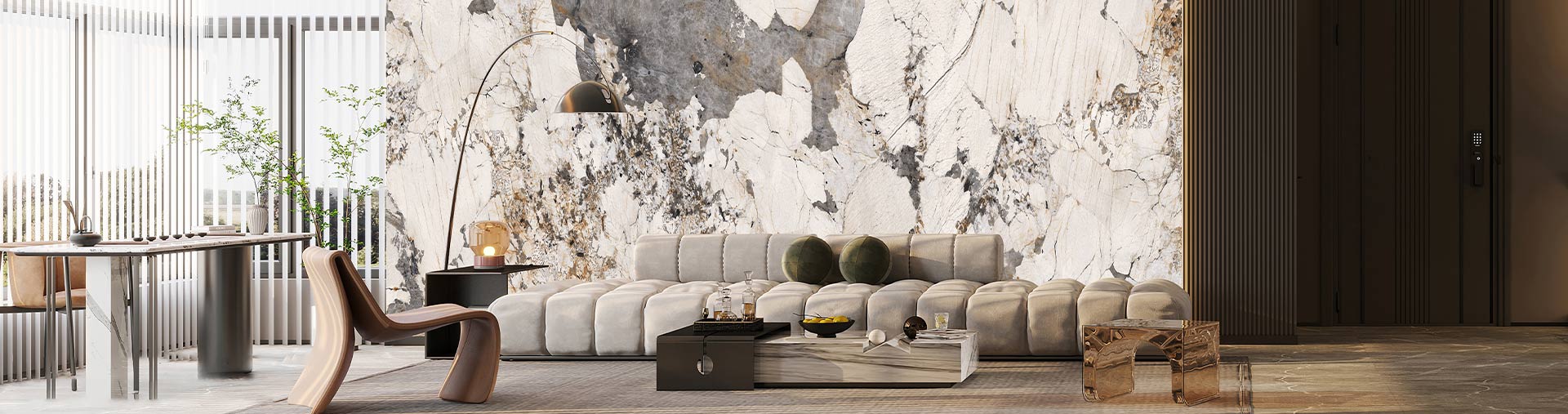
Flexible stone can give walls, columns, retail interiors, and exterior features a continuous stone look. Good flexible stone installation starts before adhesive touches the substrate. Layout, grain direction, seam position, corner method, and edge treatment shape the finished surface. The aim is to make joints belong to the pattern and keep corners from drawing attention.
Why Flexible Stone Seams Become Visible
Visible flexible stone seams often come from small errors. A strong vein can expose slight misalignment, while an uneven substrate or adhesive buildup can create a shadow line at the joint.
Before cutting, look at the complete wall rather than treating each sheet as an isolated piece.
Check Layout, Cuts, and Surface Flatness
Three checks matter most:
- Dry-lay neighboring sheets and compare color, texture, and grain flow.
- Mark level or plumb reference lines before flexible stone panel alignment begins.
- Cut with a clean, sharp method suited to the sheet.
The substrate should be clean, dry, stable, and reasonably flat. Under side lighting, even a small step between sheets can make a joint easier to see. Dry fitting, checking sheet orientation, and preparing a sound substrate are recurring steps in professional flexible stone veneer installation guidance.
How to Hide Flexible Stone Seams
The right flexible stone joint treatment depends on the intended look. A seamless flexible stone feature wall calls for close joints and careful pattern matching. A modular design may use narrow, deliberate joints. Both can work; mixing them randomly rarely does. In addition, using edge trim to conceal the stone joints is also a good option.
Dry-Fit Sheets and Match the Grain
Lay several sheets out before fixing them. Rotate or swap panels until major lines move naturally from one sheet toward the next. Flexible stone grain direction matters most with long veins, layered textures, and strong horizontal patterns.
Perfect matching is unnecessary. The real problem is an abrupt change, such as a dark band ending against a pale panel or a diagonal vein suddenly turning vertical.
Plan seam locations around the architecture too. Corners, wall returns, door frames, shelving, and changes in plane make useful visual break points. Planning sheet orientation and pattern continuity before bonding reduces disruptive transitions later.
Choose the Joint Style Before Bonding
For a minimal seam, butt joints place clean sheet edges together. This works best on a flat substrate with accurately cut edges. Butt jointing is commonly used where a low-visibility flexible stone seam is required.
Where a visible joint belongs to the design, keep the gap consistent and use a compatible grout or flexible joint material. Exterior walls and areas exposed to moisture or temperature change may need movement provisions based on the supplier’s installation guidance and project specification.
| Joint approach | Finished look | Best suited to |
| Tight butt joint | Low-visibility seam | Feature walls, columns, refined interiors |
| Narrow visible joint | Modular stone pattern | Large walls and grid layouts |
| Flexible perimeter joint | Clean transition | Openings and selected exterior details |
Clean adhesive squeeze-out before it cures. Avoid aggressive sanding or improvised chemicals unless the material supplier permits them.
Grain Direction Shapes the Finished Wall
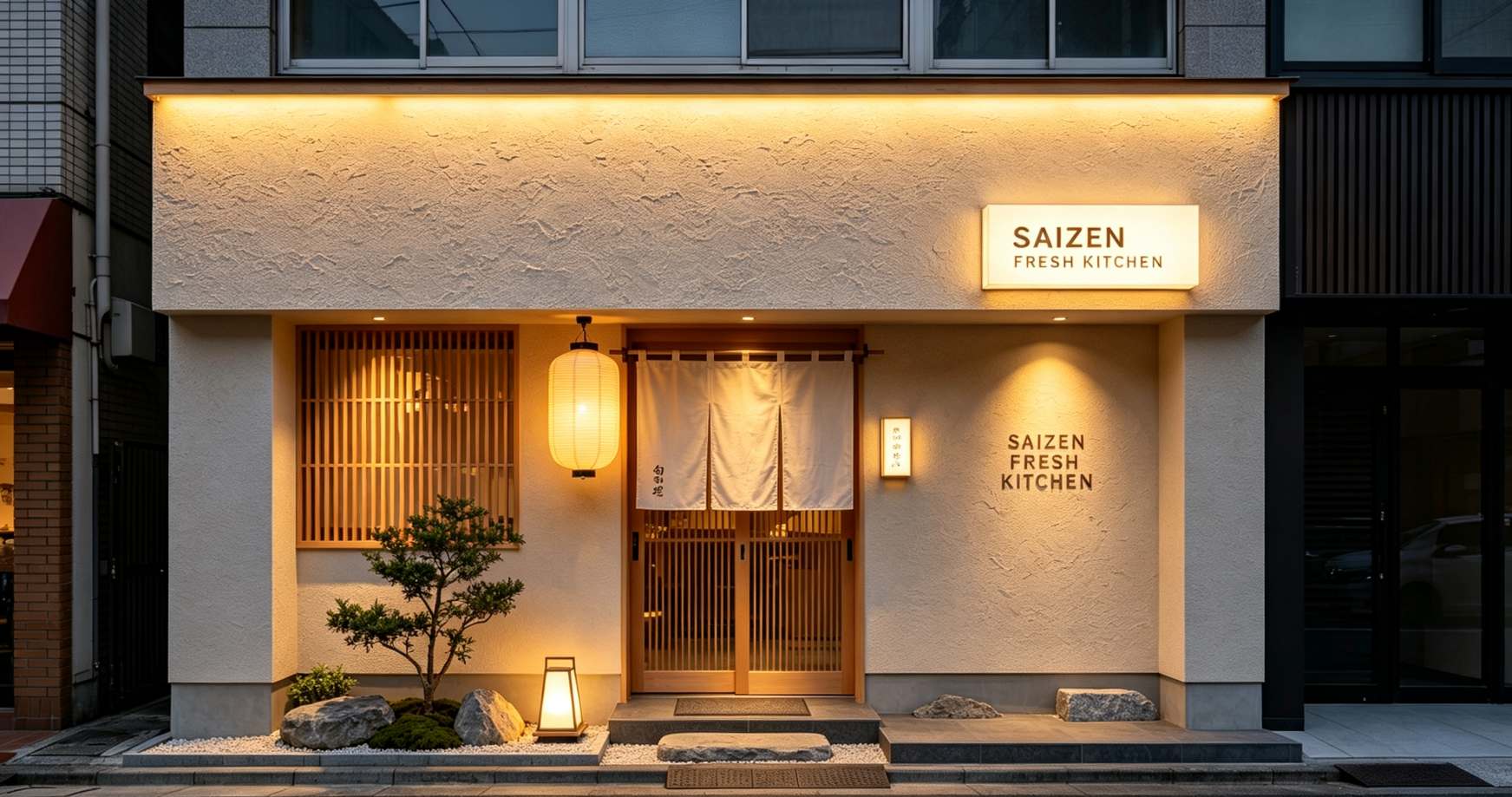
Stone veneer pattern alignment is more than a seam issue. Horizontal movement can make a long retail wall feel wider, while vertical grain can emphasize a narrow pier or lobby column. On a curved reception desk, continuous texture helps the finish read as one surface.
Strong natural textures benefit from layout planning before adhesive is applied, particularly where the surface passes across curves or several neighboring sheets.
Keep the Pattern Under Control
During dry fitting, mark the back of each approved sheet with its position and orientation. A simple A1, A2, A3 sequence prevents a carefully selected panel from being rotated later.
Step back during installation. Close-up alignment may look correct while the overall pattern drifts across a long wall. The whole elevation matters more than a single joint.
This becomes especially important on six-metre feature walls, hotel lobbies, long shop displays, and column groups. A joint that seems harmless from 30 cm away may become the most noticeable line once the space is lit and viewed from the entrance.
How to Finish Flexible Stone Corners
Flexible stone corners sit on high-contrast lines where light creates shadows. The right detail depends on panel flexibility, corner radius, texture, and viewing angle.
Flexible stone is particularly useful on curved architectural surfaces because suitable sheets can conform to shapes that would be difficult to cover with rigid stone.
Wrap the Corner When the Sheet Allows It
Flexible stone can follow curved surfaces, and suitable sheets may wrap some corners without a joint directly on the edge. This approach works well on columns, rounded walls, arches, and reception features because it supports a seamless stone corner finish.
Do not assume every sheet has the same bend radius. Test an offcut first. If warming is permitted, follow the supplier’s method rather than applying uncontrolled heat. A bend that is too tight can stress the face, backing, or bond.
Use a Butt Joint or Miter for Sharp Edges
A butt joint is practical for a 90-degree flexible stone corner. Run the main viewing face to the corner, then bring the return panel neatly into it to reduce the apparent joint. Butt joints are commonly chosen where installation speed and simple corner construction are priorities.
A miter can create a sharper architectural edge but requires more precise cutting. Dry-fit both sides before bonding and avoid excess adhesive behind the edge. Inside corners are usually less exposed; a clean joint with consistent grain direction often works better than forcing a tight fold.
Professional Edge Detailing for Flexible Stone
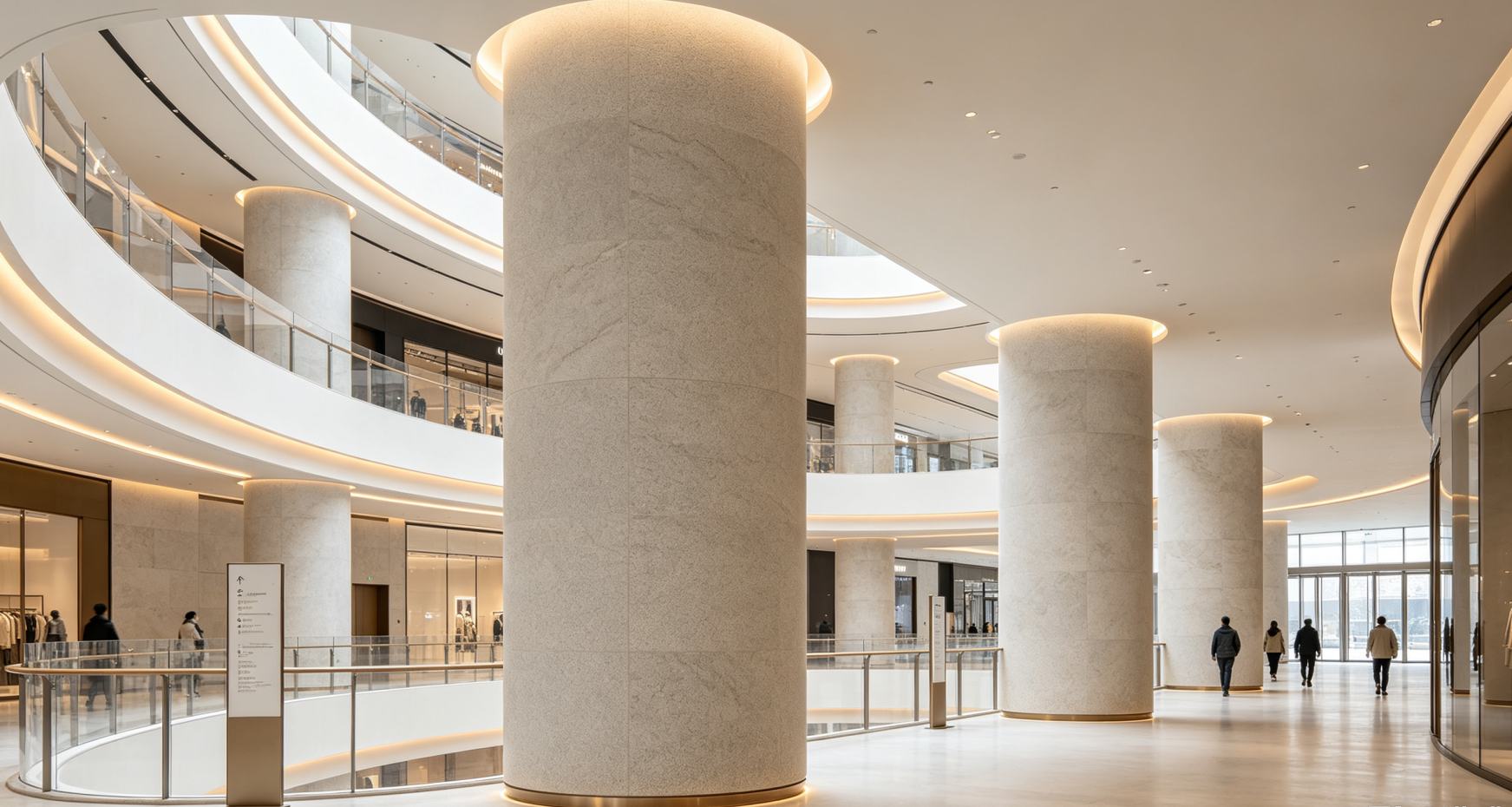
Exposed edges appear at feature walls, window reveals, niches, door openings, shelving, and material transitions. A raw cut edge can make flexible stone veneer installation look unfinished.
The edge needs to be considered as part of the wall composition, not as a repair after the main sheets are already fixed.
Select the Edge Finish Before Cutting Panels
Common flexible stone edge finishing methods include:
- A stone return using a narrow strip of the same surface.
- A compatible trim profile for a crisp wall termination.
- A neat color-matched flexible sealant where a simple sealed edge fits the design.
- A planned transition into an adjoining panel or architectural element.
Stone returns, compatible trims, and carefully sealed terminations are established ways to handle exposed veneer edges and wall endings.
For stone veneer edge detail, decide the finish before measuring the main sheets. Adding trim later can change panel widths and leave awkward narrow cuts.
Common Flexible Stone Installation Mistakes
Most visible defects are easier to prevent than repair. Check the full elevation, corners, openings, and terminations before work starts.
Watch for These Common Errors
- Installing without dry fitting adjacent sheets.
- Rotating panels and losing texture direction.
- Stacking several seams in one obvious sight line.
- Using the same corner detail everywhere without checking bend radius or viewing angle.
- Letting adhesive harden on seams and exposed edges.
- Leaving window reveals, niches, sockets, and wall ends until the main field is complete.
For large commercial or exterior work, a small site mock-up can settle seam width, corner treatment, grain flow, and edge appearance before full installation. This is particularly useful when several installers will work across the same elevation.
Foshan Sincere Building Materials Co., Ltd. as a Flexible Stone Supplier
Foshan Sincere Building Materials Co., Ltd., established in 2007, supplies indoor and outdoor wall and floor materials, including flexible stone, wall panels, tiles, and flooring. Its flexible stone serves residential and commercial decorative wall applications, including interiors and exterior facades. The company serves overseas markets across several regions and lists quality, environmental, and occupational health and safety management certifications among its credentials.
Flexible stone applications within its project portfolio include exterior villa walls and commercial retail spaces, showing how the material can move between architectural facade work and detailed interior decoration.
Conclusion
A seamless flexible stone wall comes from planning, not last-minute concealment. Dry-fitting sheets, controlling grain direction, choosing the right joint, and resolving edges before installation make the biggest difference.
On feature walls, columns, retail interiors, curved surfaces, and facades, a well-placed seam settles into the pattern. A poorly placed one can dominate the wall.
FAQs
How do you hide seams in flexible stone?
Dry-fit the sheets, match neighboring colors and patterns, cut clean edges, and use tight butt joints where suitable. Place unavoidable flexible stone seams near natural visual breaks such as corners, openings, or changes in wall plane. Keep adhesive from building up at the joint.
Does flexible stone grain direction matter?
Yes. Flexible stone grain direction affects pattern continuity and the apparent proportions of the surface. Horizontal texture can visually extend a wall, while vertical patterns can emphasize height. Mark each sheet’s orientation before bonding.
Can flexible stone bend around corners?
Many flexible stone products can follow curves and some corners, but the workable bend radius varies by material and thickness. Test the specific sheet first and follow supplier instructions for bending. Tight 90-degree edges may be better finished with a butt joint or miter.
What Is the Best Way to Finish Flexible Stone Edges?
The best method depends on location and design. A stone return gives a more solid-looking edge, trim creates a crisp line, and compatible color-matched sealant can suit simple transitions. Choose the flexible stone edge finishing method before field panels are cut.


