

Built-In Garden WPC Fencing for Better Outdoor Spaces
2026-07-17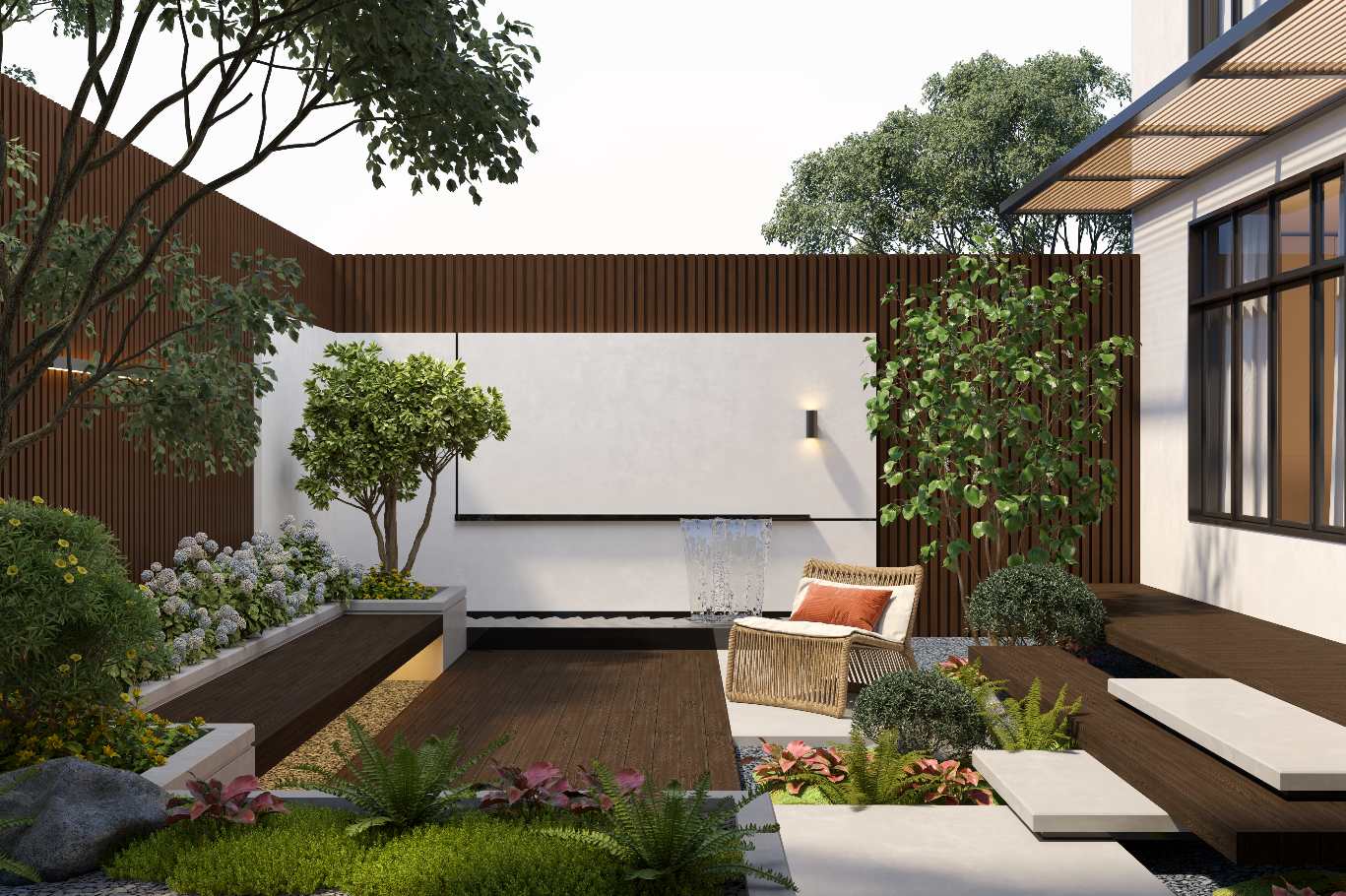
The garden fence was once just a boundary line; now, it should not only offer security but also help shape the outdoors, create privacy, and maintain its cleanliness despite many years of exposure to the elements and frequent use. This is the reason why the built-in garden WPC fencing has become a sensible solution for residential as well as business settings including homes, villas, resorts, parks, and more.
Unlike the traditional fence which is usually added to the garden after completion of the landscaping project, the built-in garden fence is an essential component of the design itself. It can link up with raised beds, surround a vegetable patch, segregate a patio, or line the walkway. With WPC fence, it provides a wooden look without having to paint and treat it frequently.
What Is Built-In Garden WPC Fencing?
The built-in garden WPC fence is a type of fence installation which is intended to blend into the design of the garden rather than remain separate from it. This can be done by positioning the fence along a raised garden bed or alongside the flower border, or it could be placed to create privacy near an outdoor seating area. The most important aspect of this type of fence is integration into the overall design.
The most common components used to manufacture WPC include wood fiber, plastic, and special additives which provide resistance against moisture, sun exposure, and other outdoor elements. A quality WPC fence allows one to enjoy the appearance of wood grains, but at the same time reduce the risks associated with the natural properties of the wood like rot, insect infestation, splitting, and regular painting.
Why Built-In Fencing Works Better Than a Temporary Barrier
An interim screen or fence made out of timber will provide a temporary solution but may lack a finished look, having a tendency to sag and move in the wind. A built-in garden fence provides a structural element to the space from the beginning.
This matters most where the fence is always visible. It could be, for example, a vegetable garden that adjoins a terrace, a flowerbed that adjoins a restaurant’s courtyard, or a walkway through a villa.
A cleaner layout for raised beds and planting zones
Raised garden beds already create order. Adding a built-in fence keeps that same clean line above the soil level. It helps define where planting starts and where walking space begins. In small gardens, this can stop children, pets, or guests from stepping into young seedlings.
Better protection against common garden damage
Animals can cause more damage in one night than weather does in a month. Rabbits nibble low leaves. Dogs run through soft soil. Deer can reach higher plants. A built-in fence makes the barrier harder to move, bend, or ignore.
| Garden problem | Practical fence response |
| Rabbits and small pets | Lower panels with tighter spacing near the ground |
| Deer in open areas | Taller fencing and fewer climb-friendly rails |
| Digging animals | A firm bottom edge or buried mesh section |
| Busy public gardens | Strong posts, clear access points, and durable panels |
Why WPC Is a Strong Material for Garden Fencing
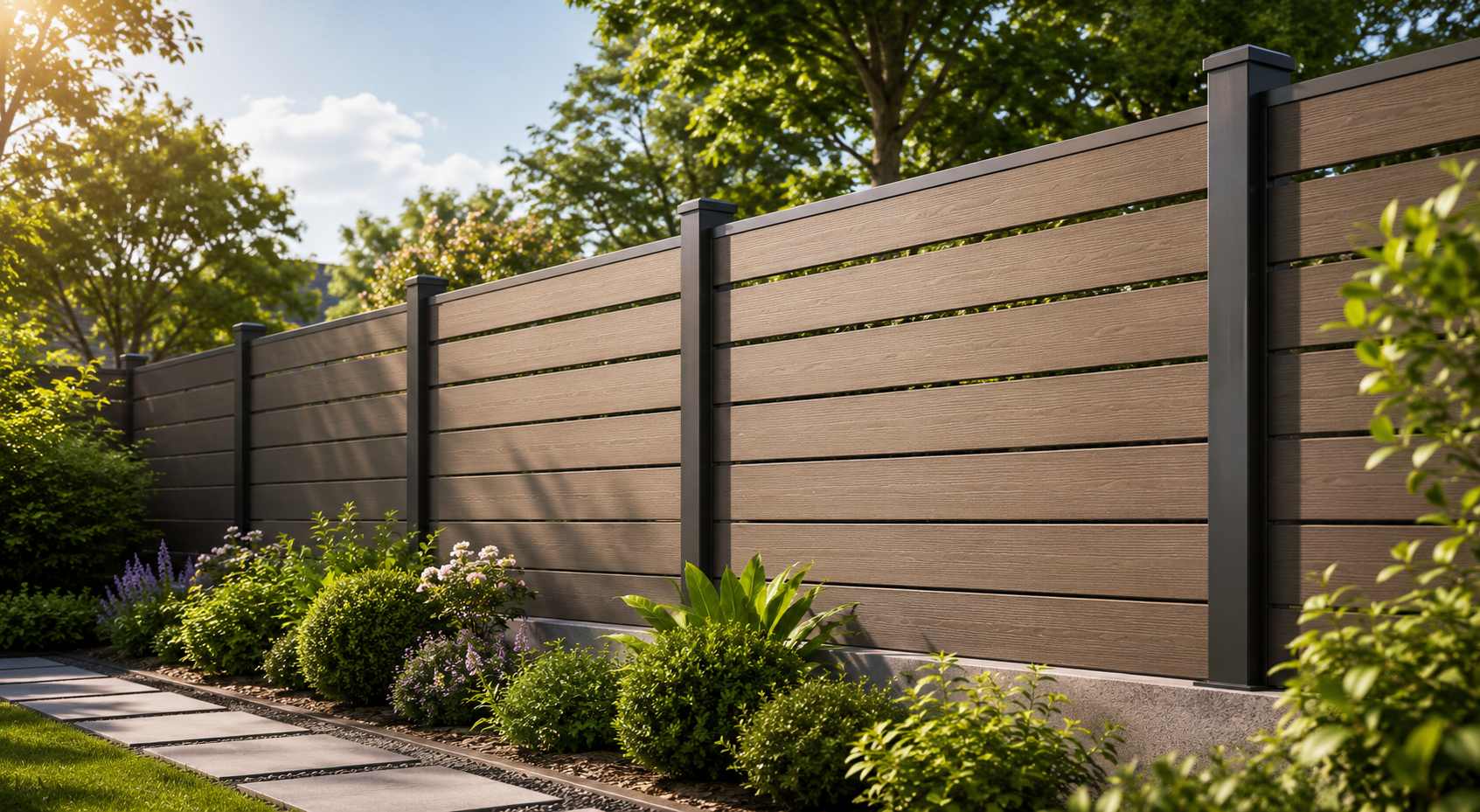
Garden fencing stays outside every day. It faces wet soil, irrigation spray, summer heat, winter cold, and UV exposure. Natural wood can look beautiful at first, but it often needs regular care. Metal can be strong, yet it may feel too hard for soft landscape design. PVC is light and easy to clean, but some buyers prefer a more natural surface.
WPC sits in a useful middle ground. It has a timber-like look, but the composite structure gives it better resistance to moisture and insects than untreated wood. It also keeps a more consistent surface across long runs, which is important when fence panels are used around villas, resort paths, outdoor cafés, or public gardens.
Key benefits of a WPC garden fence
A well-made WPC outdoor fence can support both design and daily use:
- Lower maintenance than painted wood
- Wood grain texture for a warmer outdoor look
- Good resistance to water, damp air, and garden irrigation
- Better stability against cracking and splintering
- Suitable for garden borders, privacy screens, and landscape partitions
- Easy to match with WPC outdoor flooring or wall panels
This is especially useful in humid regions, coastal areas, poolside gardens, and commercial spaces where cleaning and repair schedules affect operating costs.
Where Built-In Garden WPC Fencing Fits Best
The application of built-in garden WPC fences is by no means limited to just one particular type of construction project. The choice will depend upon the privacy requirements, foot traffic, planting types, and design styles.
Home gardens and backyards
For the home garden area, WPC fence panels may provide protection for flower beds, vegetable beds, and herbs without creating any barrier feeling within the garden area. Half-panel height WPC fence panels around the raised flowerbeds work well when you have to keep your pets out. Higher fence panels around the seating area create privacy while having your family meals or evening get-togethers.
Villas, resorts, and hotels
When building outdoor hospitality venues, the material has to give an elegant appearance without requiring much maintenance. WPC outdoor fence panels can be used in gardens, pool areas, restaurant patios, and villa courtyard areas. Wood grain finish allows the fence to match the plantings, stone, lighting, and decks around.
Parks and public landscapes
Fencing is not only used for protection in parks, in schools, and in public gardens; it helps direct people around as well. The pre-installed fencing will help distinguish between grass areas and planting areas, determine the walking pathways, and decrease any accidental trampling. In addition, WPC material is easier to clean compared to rough wood.
How to Choose WPC Fence Panels for a Garden
The right WPC fence panel is not only about color. A good choice starts with the site.
First, check moisture exposure. A fence near sprinklers, a swimming pool, or a shaded planting zone needs water resistance and enough ground clearance. Next, check sunlight. In open yards or rooftops, UV resistance and stable color matter. Then review the layout. Long straight runs need consistent panel quality, while corners and stepped garden beds need flexible installation planning.
| Selection factor | What to look for |
| Height | Match privacy, pet control, or animal protection needs |
| Surface | Choose wood grain for natural garden style |
| Spacing | Use tighter spacing for privacy and lower gaps for small animals |
| Posts and fixings | Pick strong support for wind and long fence lines |
| Maintenance | Look for panels that can be cleaned with water and mild soap |
| Project matching | Coordinate with outdoor flooring, wall panels, or façade materials |
Color also changes the final mood. Warm brown suits tropical planting and villa gardens. Grey works well with modern concrete, black frames, and minimalist terraces. Darker tones create stronger privacy, while lighter tones can keep small gardens feeling open.
Installation and Maintenance Tips
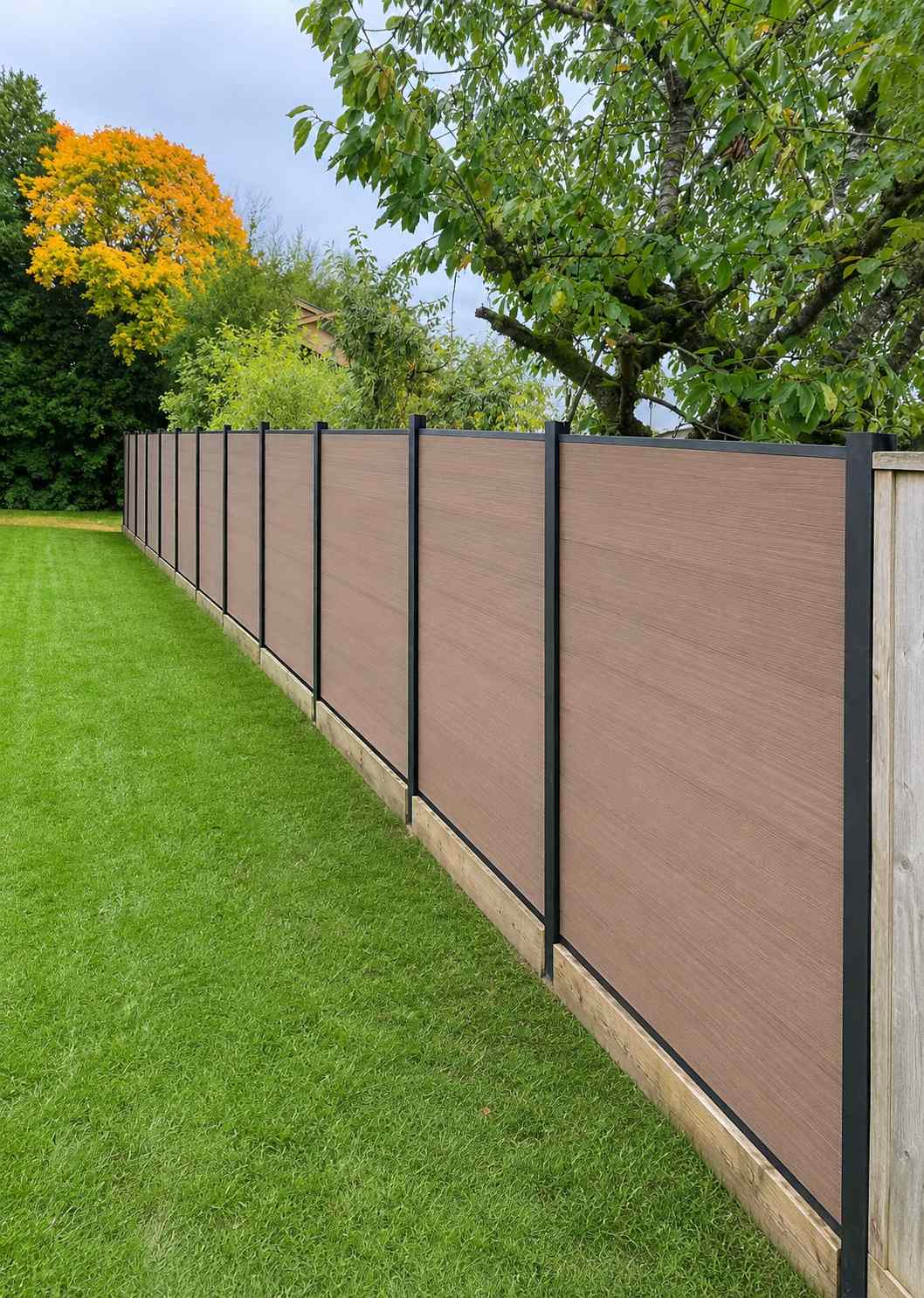
Even a durable WPC fence performs better when installed correctly. Posts should be set firmly, panel gaps should follow the recommended spacing, and the bottom edge should not trap water against soil for long periods. On uneven ground, stepped installation usually looks cleaner than forcing panels to bend with the slope.
For garden areas with small animals, the base deserves extra care. A neat lower strip, buried mesh, or close panel spacing can stop gaps from becoming entry points. Gates should open easily for watering, trimming, harvesting, and cleaning.
Routine care is simple. Rinse dust, remove leaves from the base, and clean stains early with mild soap and water. In commercial gardens, a seasonal inspection of posts, screws, gates, and drainage areas can prevent small issues from becoming visible damage.
About Foshan Sincere Building Materials Co., Ltd.
Foshan Sincere Building Materials Co., Ltd. is a B2B building materials supplier located in Foshan, China, specializing in indoor and outdoor wall and floor building materials. Products offered by the company include tiles, wall panels, indoor WPC fluted wall panels, SPC flooring, flexible stone, WPC outdoor flooring, and WPC outdoor fence panels.
In particular, as a WPC outdoor fence provider, Sincere works with buyers requiring material for gardens, villas, hotels, commercial buildings, and landscaping. The company has successfully cooperated with clients in foreign countries and has been developing its business according to such criteria as product diversity, export services, and project-oriented supplies. If buyers are interested in purchasing a WPC garden fence that can be coordinated with other exterior building materials, the product system will be convenient.
Conclusion
Therefore, it can be said that WPC fences for gardens are helpful where there is a need of something more than a mere boundary. They are protective for plantations, give shape to the outside space, ensure privacy, and bring a finishing look to the whole garden. In contrast to temporary and wooden fences, WPC fence panels are ideal for outdoor use and bear moisture, sun, and traffic. For residential areas, it makes the garden clean and safe. And for hotel, resort, park, and commercial sites, it helps in making a durable landscaping project with an appropriate design style.
FAQs
What does the concept of built-in garden WPC fencing mean?
The term “built-in garden WPC fencing” refers to a wood plastic composite fence, which was included in the garden plan from the very beginning. The fence can be combined with raised beds, plant beds, walkways, patios, and any privacy areas.
Is the WPC garden fence superior to the wooden one?
For many gardens, the WPC garden fence will be much easier to maintain since it will resist moisture, rotting, insect attack, cracking, and splinters more than untreated wood, and still retain a natural wood grain appearance.
Can the WPC fence panels prevent animals from entering the garden?
Yes, WPC fence panels canprevent animals from entering your garden as long as the height, distance between the fence panels, and its bottom edge are chosen correctly.


