
Hollow vs Solid WPC Decking Which Fits Your Project
2026-10-15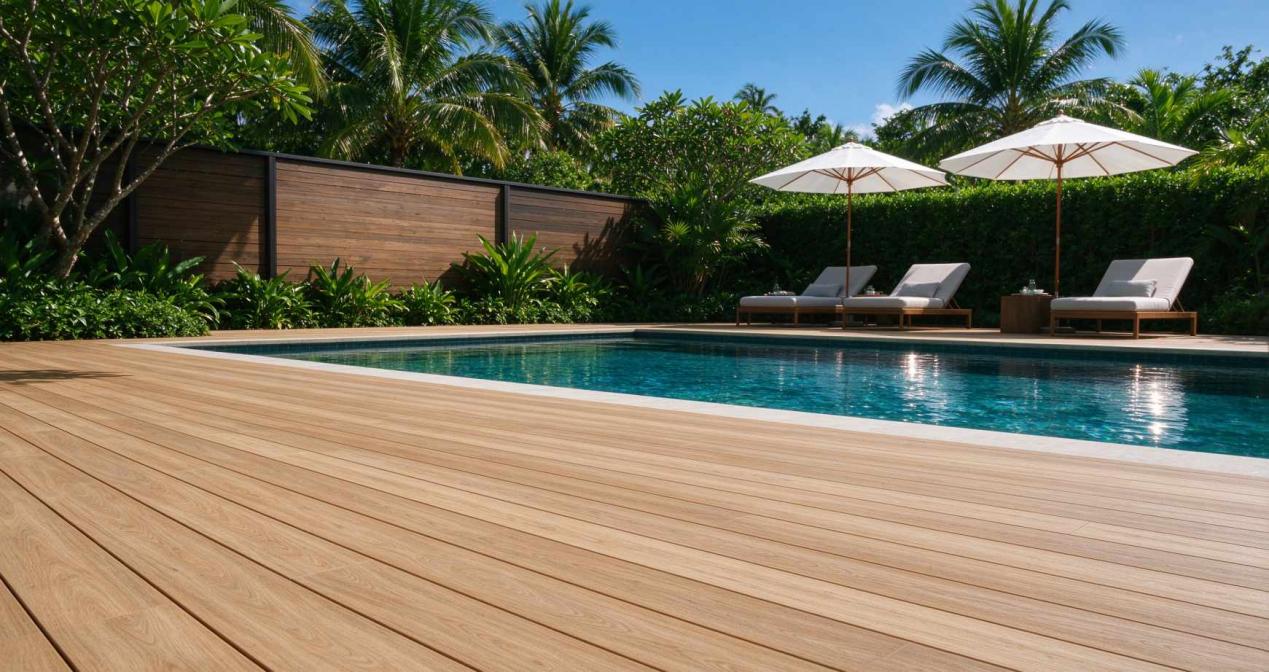
Hollow vs Solid WPC Decking Which Fits Your Project
There is no clear winner when you compare hollow and solid WPC decking. A light hollow board can work well on a private balcony. The same board may fail under restaurant tables and delivery carts. Solid profiles handle harder use and odd cuts better. Yet they add weight and cost more to ship. Always start with the real project needs. Then check the exact board shape and its test results.
What is the difference between hollow and solid WPC decking?
Cut both boards across the middle and the gap becomes clear. Hollow WPC decking has long open chambers inside. Solid WPC decking fills almost the whole section with composite material. After install the top faces can look the same. The real differences show up later. They appear in how much weight the board can hold. They also show in how you finish a cut end. And they show in how many square meters fit in one container.
Labels alone are a weak guide. A poorly made solid board stays poorly made. A well designed hollow profile can still suit its planned use. The resin mix, fiber amount, additives, outer cap layer, chamber shape, wall thickness inside, and how the board was extruded all change the final result.
Hollow vs solid WPC decking at a glance
Use the table below to narrow your choice. Do not treat it as the final word. The supplier data for the exact cross section and the project engineer load needs stay the true reference.
How does profile structure affect strength?
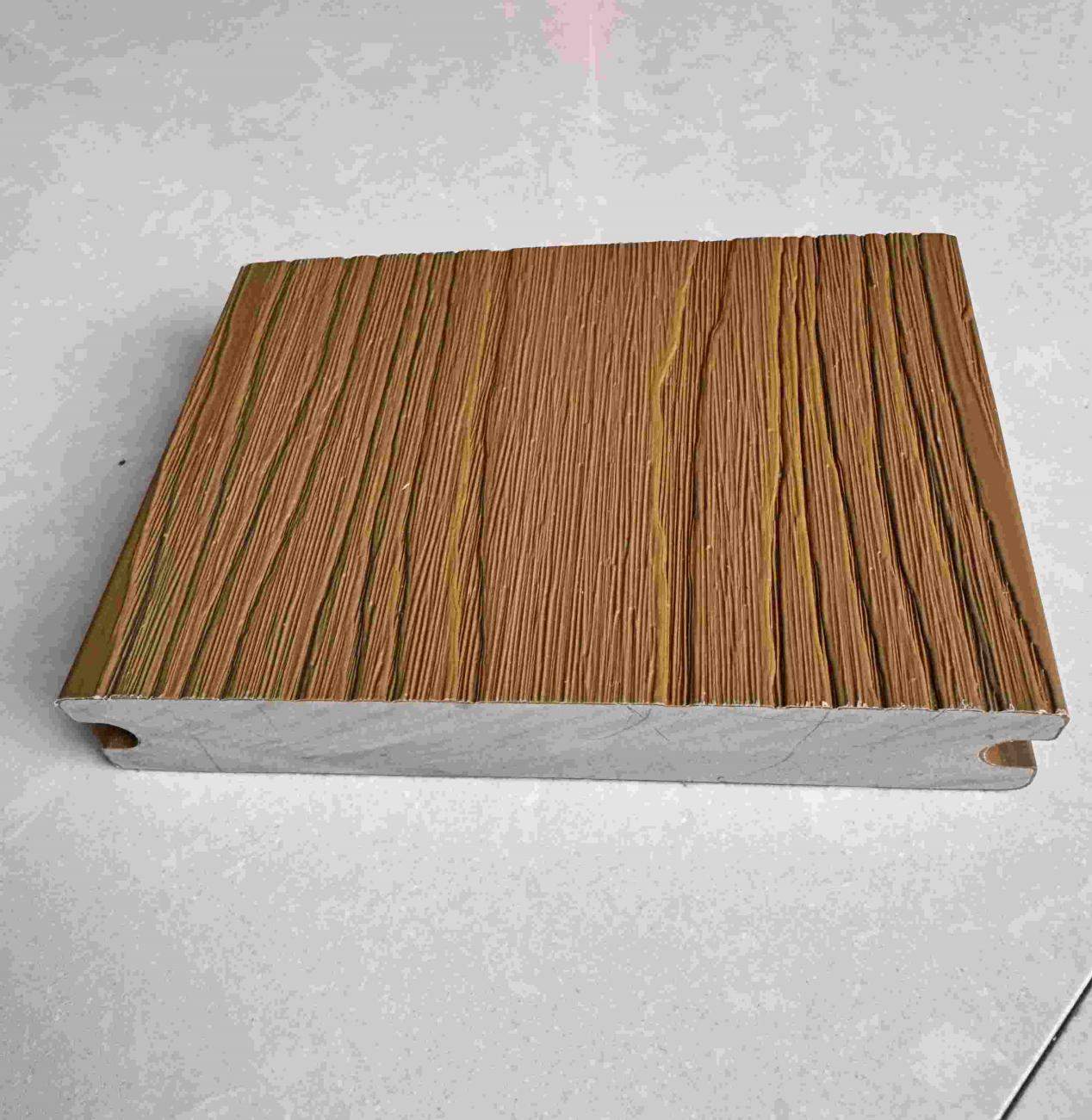
solid WPC decking
Place a narrow furniture leg or a loaded service cart on one board. The question becomes real. Solid decking usually has more material under that point load. People therefore choose it under restaurant furniture, large planters, busy entrances, and public walkways. Curved borders and diagonal cuts are also simpler to finish. The cut does not open a chamber.
Hollow decking acts more like a shaped beam. Its ribs and chamber walls give stiffness without filling the whole board. That design handles normal home traffic well. Outside size tells only half the story. Two boards both marked 140 by 25 mm can hide very different wall thickness and chamber shapes.
Ask for tested values, not a verbal ranking
First ask for the drawing. Then ask for bending or load data. Also ask for impact numbers and the allowed joist spacing that match that drawing. Spacing taken from another product may not fit. Even a product from the same factory can differ. Board ends, steps, and high load zones need their own support details.
Which type is easier to transport and install?
Weight feels real when you carry boards up a fourth floor stair. Hollow boards are lighter for a small crew. They may also put less stress on balconies or rooftop structures. They can raise the number of square meters that fit in a weight limited container. For remote villas and sites without a crane those savings matter.
Solid boards demand more from the unloading crew and the support frame. On the plus side the installer can cut a diagonal border, round a corner, or open a service hole without showing a row of cavities. That freedom can save time on a complex deck plan.
Handling still matters for both profiles
Neither type likes rough storage. A dark board left bridging two uneven supports in full sun may arrive already curved. Store packs flat and well supported. Keep the wrapping open for air as the maker says. Lift boards instead of dragging their faces across each other.
How do cost and total project value compare?
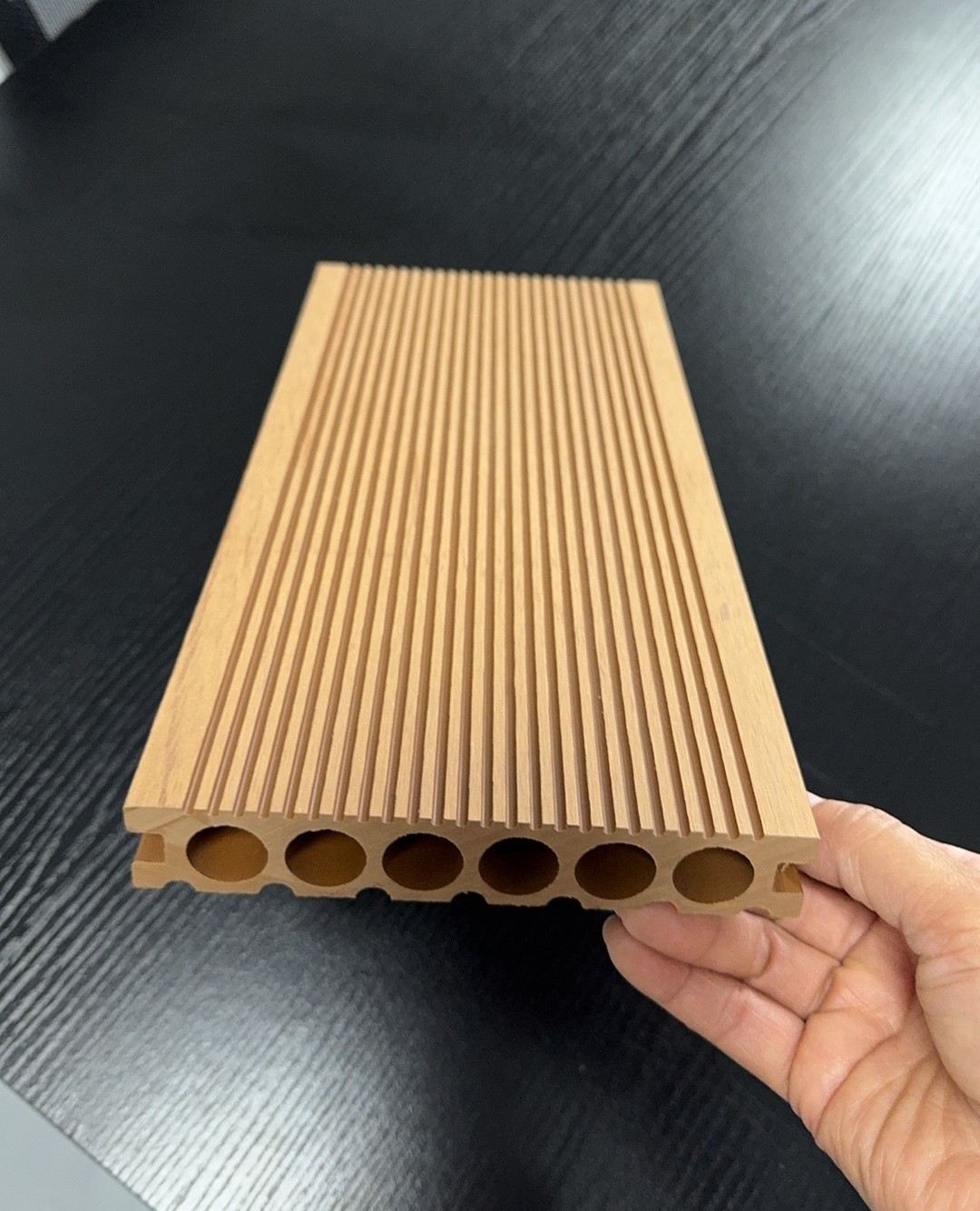
hollow WPC decking
At the quote stage hollow decking often wins on price. Less material usually means a lower board price and lower freight weight. On a simple square garden terrace with ordinary chairs and foot traffic the extra mass of solid boards may bring little real gain.
Now add the rest of the deck. Additional joists, end caps on many open hollow cuts, better foundations, clips, fascia, scrap, and labor costs will tip the scales. It is a false economy to have a cheap board but a costly installation due to a challenging plan/shape relationship.
Compare quotations on the same basis
All quotes must go on one sheet. Give boards per square meter, board weight per meter, indicated joist spacing, number of clips, end treatment, number of pallets, and container volume. Otherwise, one supplier will be cheaper only because some of the vital accessories are not included in the quoted price.
What happens around water and drainage?
The rain doesn’t care whether there is a solid or hollow board. There must be a way for water to escape. Poor ventilation and moisture retention will make the dirt wet underneath the deck and could damage the frame or fasteners before even the upper surface gets damaged.
The open end of a hollow board is a detail that needs thought. Debris and insects can enter. Yet sealing every chamber with random glue may trap water inside. Follow the maker end cap or trim detail. Keep any drainage path that the profile was designed to have.
Solid boards avoid the cavity issue. They do not avoid thermal movement. Long runs still need the stated end gap. A heavier board cannot fix blocked drains or rusting screws.
Which profile performs better in hot, cold, or coastal climates?
Climate makes all different. Dark board exposed to afternoon sun will behave differently than the same board covered with the shade roof. Long boards move easier. In freezethaw climates, any enclosed cavity holding standing water creates risk for hollow boards. Solid boards avoid internal cavity risk but still suffer damage from water trapped in deck joints and fastener gaps.
Close to the ocean the board itself can be okay, while improper fasteners start to rust under it.
Thin chamber walls leave less margin when impact, trapped water, and low temperature meet. Solid material can feel more solid. Yet it still heats up and moves. Ask for weathering and size stability results for the exact profile on offer. Broad claims about “all climates” are too wide to design from.
Best WPC decking profile by application
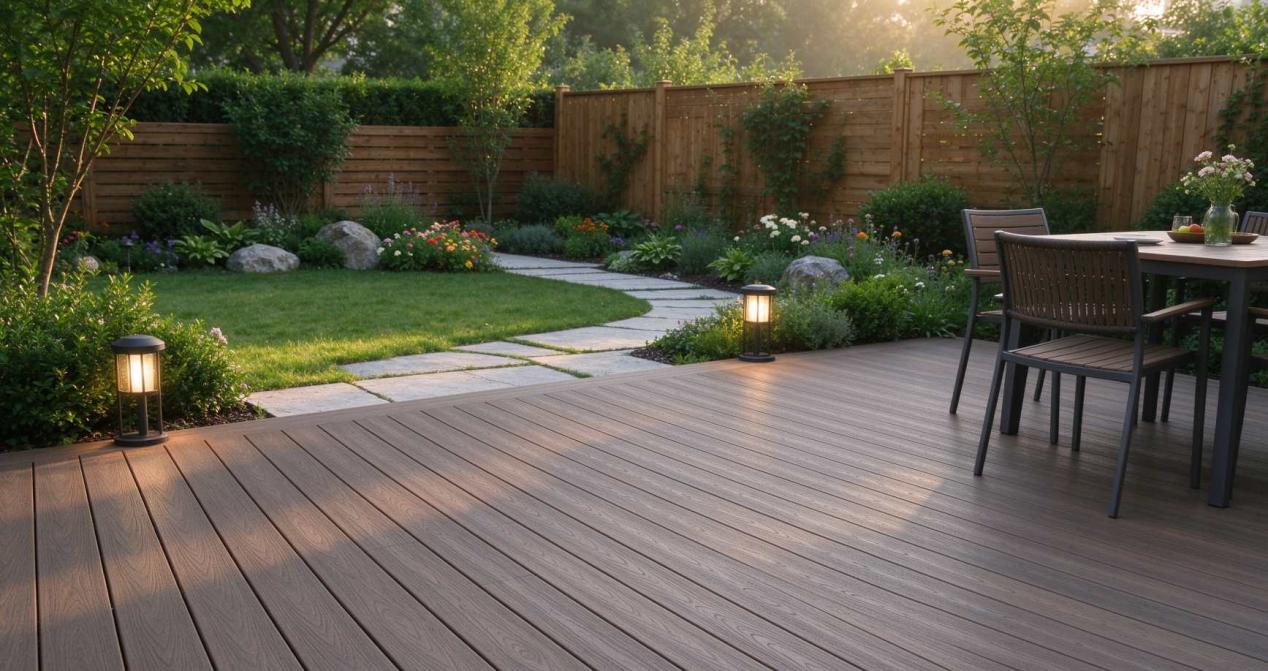
Application of WPC Decking in Gardens
Picture the finished site on its busiest day. Who walks there? What rolls across it? Where will water collect? How many boards must be cut around columns? Those answers help more than asking which profile is “premium.”
Residential balcony or rooftop
Hollow panels could work well where every kilogram needs to pass through the building. The structure should be designed to ensure the integrity of the roof membrane and that the drains are not blocked. In case there are plans for a large planter or cabinet, strengthen the area or use a different profile.
Villa patio and garden terrace
For an ordinary family patio a sound hollow system may be enough. Add curved steps, a built in kitchen, or furniture that moves every evening and solid boards become easier to justify. Mixed loading matters more tha the villa label.
Pool surround
At a pool bare feet notice heat and slip before they notice the cross section. Chlorinated water, edge cuts, drains, and hidden clips all enter the choice. Busy resort decks often lean solid. A private pool can use a tested hollow system when exposed ends and supports are carefully detailed.
Restaurant, hotel, or public walkway
A restaurant terrace changes during service. Tables move. Delivery carts cross the same path. Maintenance staff place ladders where no one expected. Solid decking is usually the safer starting point. Back it with load data and a frame designed for those concentrated demands.
Boardwalk or waterfront project
Boardwalks add salt, wind, moving foundations, and long wet periods. Solid boards are common. Yet the substructure and fasteners decide whether the deck stays aligned. A decking board is not a structural beam unless the whole system has been designed and tested that way.
Installation differences buyers should plan for
Asking for the installation manual as you look at your samples might mean you discover that the board you selected needs to be installed with closer joists or clips that were not included in your budget.
For hollow boards check these points:
permitted screw and clip locations
treatment of open cut ends
limits on edge distance and overhang
support below joints, stairs, and heavy objects
chamber orientation where the system specifies it
For solid boards check these points:
lifting and handling weight
thermal expansion gaps
suitable tools and blade condition
frame capacity and fixing pull out needs
support below routed or narrowed sections
For the WPC flooring application described in Sincere’s installation knowledge, joist centers should be no more than 30 cm. Board ends should not share one joist. No board end should stay unsupported. Buyers must confirm the instructions for the exact profile ordered rather than treating this reference as universal.
A buyer’s specification checklist
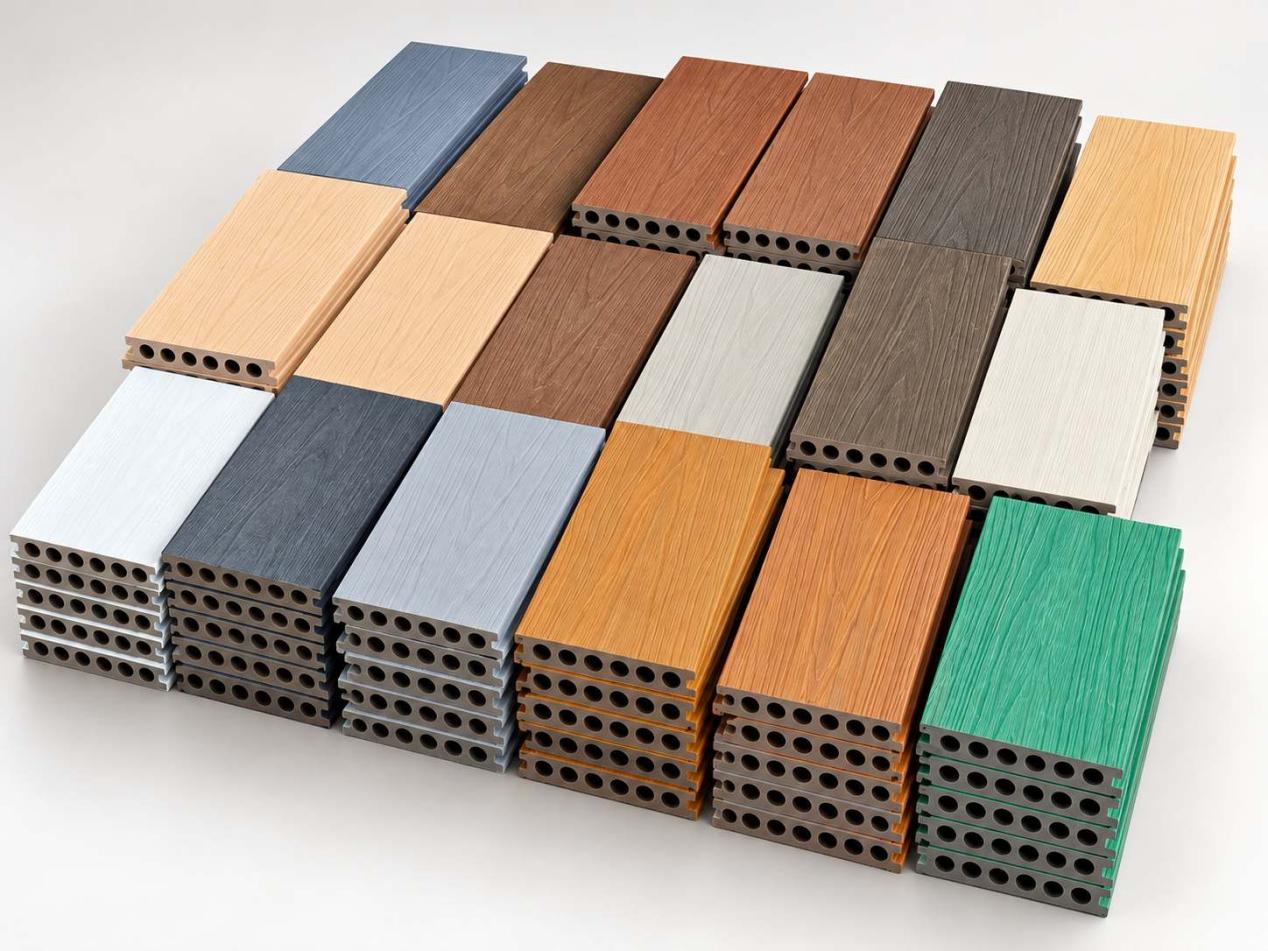
High-quality hollow WPC decking
Before you compare samples or quotes, request the same information from every supplier:
Board drawing with outside dimensions and internal profile.
Weight per meter and per square meter.
Material composition and cap layer description if any.
Test reports tied to the exact profile.
Maximum joist spacing and load guidance.
Expansion, fastening, end treatment, and drainage instructions.
Color tolerance, weathering information, and retained sample policy.
Carton or pallet quantity, container loading, and spare board recommendation.
Foshan Sincere Building Materials as a WPC supplier
Foshan Sincere Building Materials Co., Ltd. supplies indoor and outdoor building finishes for project buyers and distributors. Its public company information states that the business was established in 2007 and works with overseas markets in several regions.
Buyers can review the company profile. They can examine its outdoor floor and wall products. They can check the WPC floor category. A sound purchase decision should still rest on the exact WPC decking profile, drawings, test data, installation limits, approved sample, packing, and inspection plan for the order.
Conclusion
Hollow WPC decking fits projects where lower weight, easier handling, and controlled cost matter. The traffic and loads must stay inside the tested profile limits. Solid WPC decking fits demanding traffic, concentrated loads, irregular cutting, and commercial applications where greater material mass helps. Neither profile succeeds on a weak frame or blocked drainage. Select the whole system. That means board, joists, clips, gaps, edges, and site conditions. Do not choose by cross section alone.
FAQs
Will solid WPC decks be always stronger than hollow decks?
Solid profiles provide more load and impact resistance, but the strength will depend on the chemical composition, size, hollow profile, and testing results. Compare only similar items.
Which WPC profile will work for a pool?
Both may be used depending on tests for that particular purpose. Pay attention to slipperiness, heating of the surface, drainage, chemical resistance, joist spacing and ends treatment. Solid boards are preferred for busier pool decks.
Is hollow WPC decking cheaper to ship?
Often yes because it weighs less per meter. Confirm pallet density and container limits. Packaging size and local freight charging methods also affect the final cost.


