
Flexible Stone vs Ceramic Tile: Which Wall Decorations Material Is Better for Renovation Projects?
2026-09-11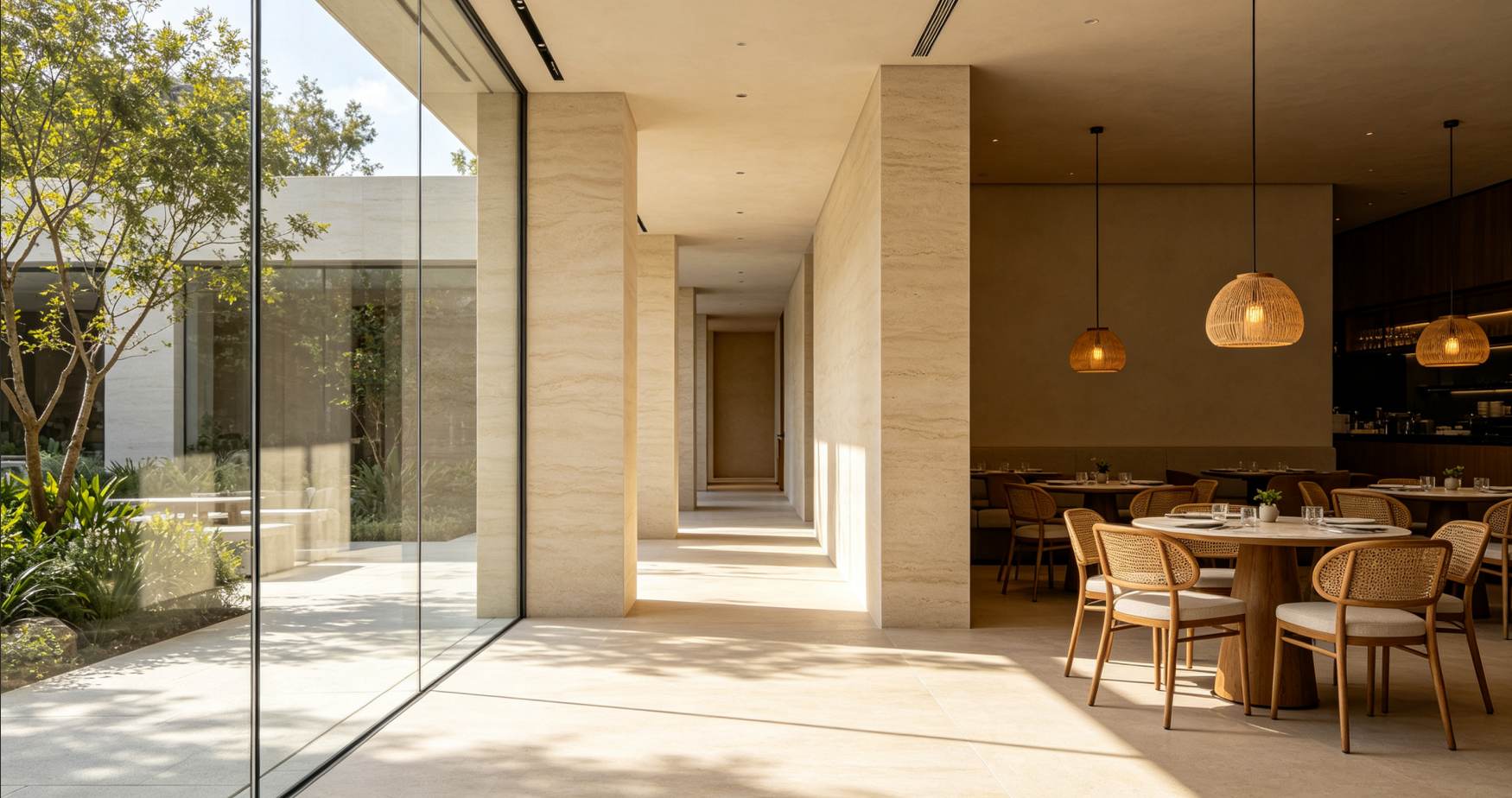
Selecting proper materials for wall decoration is crucial during renovation projects. The walls not only affect the aesthetic appeal of a building but also have an impact on cost of installation, efficiency of construction, and performance of the material itself.
For many years, ceramic tile has been a common pick for wall decoration. It lasts long, handles water well, and comes in many designs. Yet modern renovation projects bring new needs. Architects and builders now want materials that are lighter, simpler to put up, and able to fit different surfaces.
This has raised interest in flexible stone. It is a newer wall cladding material. It gives the look of natural stone but adds better bend and low weight.
Therefore, when comparing flexible stone with ceramic tiles, which material is more suitable for renovation work? This all depends on the requirements of the project itself, the existing surface, and its needs.
What Is Flexible Stone and Why Is It Becoming Popular?
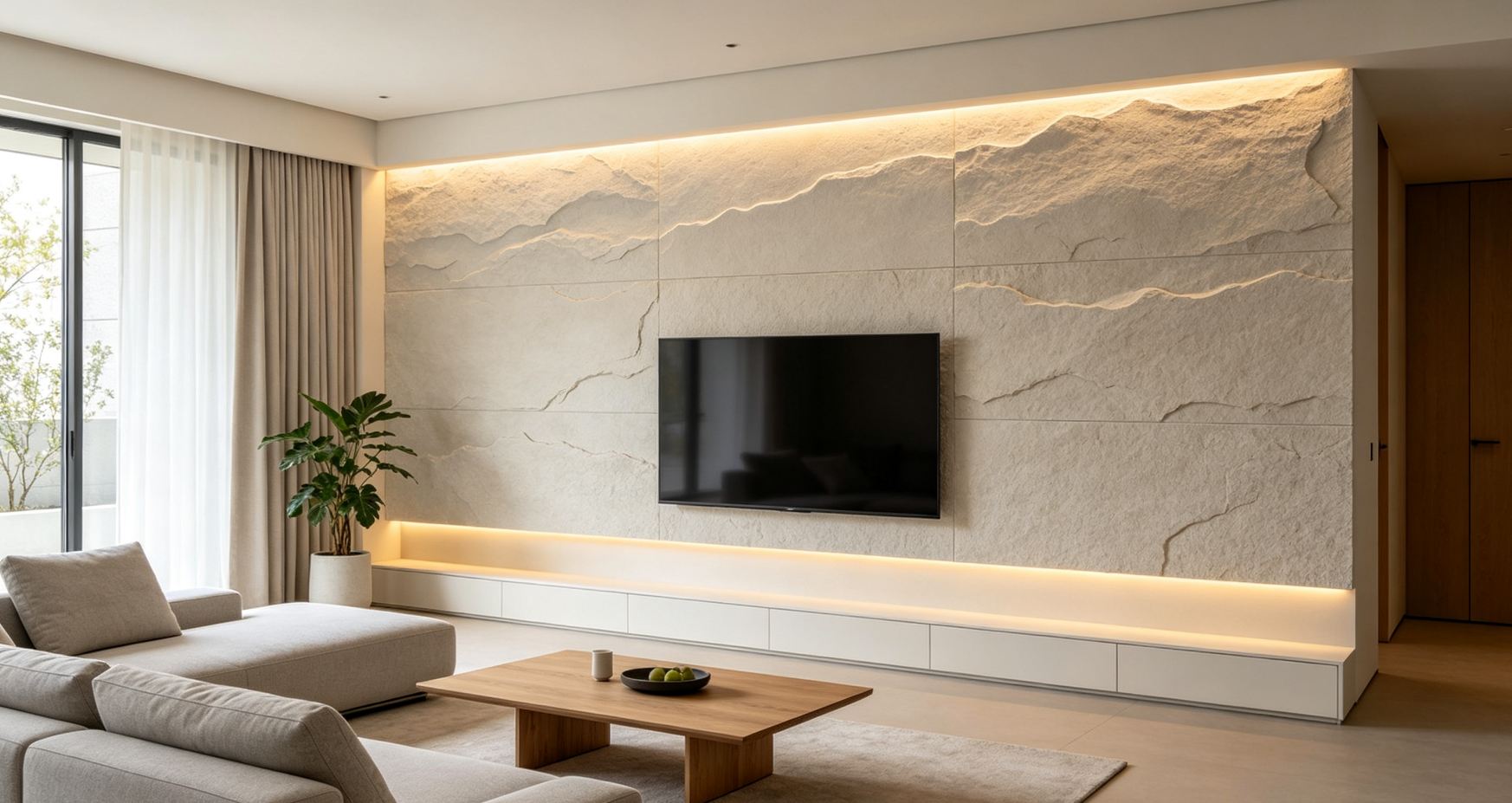
Гибкий камень is a light wall decoration material. It copies the feel and look of natural stone. At the same time, it bends more easily than regular stone products.
Regular stone panels are large and difficult to handle. Flexible stone panels are thin and lightweight, hence easy to transport and install. They can be used on various surfaces, which include straight walls, curved forms, columns, and decorative elements.
Flexible stone veneer sees wide use in both indoor and outdoor spots, such as:
- Hotel feature walls
- Villa exterior decoration
- Commercial building facades
- Living room background walls
- Office and retail space decoration
- Renovation projects that need light materials
One key reason flexible stone draws notice is clear. It offers a natural stone look without the weight and setup problems of traditional stone.
People like it because it feels real yet stays easy to handle. Builders save time. Designers gain more options. Homeowners get a fresh look without heavy loads on the walls. In many cases, workers can place it over older surfaces. This cuts the need for full tear-outs. The result is a smooth process that keeps projects on track.
What Are Ceramic Tiles Used for in Wall Decorations?
Керамическая плитка stays a classic and solid choice for wall decoration. Makers form it from clay-based materials. They heat it at high temperatures. This creates a hard, lasting surface.
Ceramic wall tiles appear often in:
- Bathrooms
- Kitchens
- Residential interiors
- Commercial spaces
- Public buildings
Ceramic tiles remain popular because they serve their purposes efficiently. They resist moisture, staining, and general wear-and-tear effectively. The wide range of colors and designs makes it easy to create various styles.
However, there are certain limitations associated with ceramic tiles. They are rigid in nature and cannot be easily shaped. Installation may require the process of cutting, levelling, and grouting.
Ceramic tile has a long track record. Many builders know exactly how to work with it. The hard surface holds up under heavy use. In wet rooms it keeps water out. Cleaning stays simple with common household products. Yet the rigid nature means extra work on anything that is not flat. This can slow things down when schedules are tight.
Flexible Stone vs Ceramic Tile: Key Differences
The table below shows the main differences between flexible stone and ceramic tile for wall decoration.
| Особенность | Гибкий камень | Керамическая плитка |
| Масса | Lightweight material, easier to transport | Heavier and requires stronger handling |
| Гибкость | Can adapt to curved surfaces | Rigid and mainly suitable for flat surfaces |
| Установка | Faster installation with fewer cutting requirements | Requires tile cutting, leveling, and grout work |
| Появление | Natural stone texture and modern designs | Wide range of colors and patterns |
| Приложение | Interior walls, exterior walls, curved structures | Bathrooms, kitchens, traditional wall decoration |
| Renovation suitability | Highly suitable for quick renovation projects | Suitable for standard renovation work |
Both materials bring their own strengths. The better pick depends on the exact needs of the building.
Weight matters a lot during transport and handling. Flexible stone moves with less effort. Ceramic tile needs more care and stronger supports. Flexibility opens doors for creative shapes. Installation speed can change the whole project timeline. Appearance choices differ, yet both can look attractive when chosen well. Application areas guide the final decision. Renovation speed often favors the lighter option.
Flexibility and Design Freedom: An Advantage of Flexible Stone
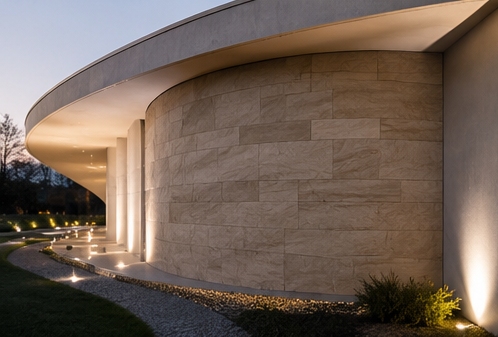
Modern buildings often feature creative shapes, curved walls, and unique decorative parts. Traditional wall materials can cause trouble when designers work with unusual surfaces.
Flexible stone veneer gives more design freedom. It can go on surfaces that challenge regular tiles.
Take a hotel lobby renovation as an example. A curved reception wall may need complex tile cutting if ceramic tiles are chosen. Flexible stone panels can follow the curve more easily. This cuts setup trouble while keeping a natural stone look.
This makes flexible stone fit projects that need the following features.
Curved Wall Decorations
Curved walls, columns, and artistic structures often call for materials with better adaptability. Flexible stone can form smooth visual effects on these surfaces.
Modern Interior Design
Many designers want materials that mix natural textures with simple setup. Flexible stone can build stone-style interiors without adding heavy structural load.
Design freedom is a real plus. Workers can shape panels around pillars or soft arcs. The finished look stays continuous. No large gaps appear. In modern homes and commercial spaces, this helps create eye-catching feature walls. Clients notice the natural texture. At the same time, the building structure stays light. This combination appeals to many current projects.
Installation Efficiency and Renovation Cost Considerations
Renovation projects must balance design quality with building speed. The time needed to install materials can change labor costs and project timelines.
Flexible stone wall panels offer several setup benefits:
- Lightweight structure reduces transportation difficulty
- Easier cutting compared with traditional stone materials
- Suitable for renovation over existing surfaces in many cases
- Less structural load on walls
Ceramic tile setup is a well-known process. Yet it usually involves more steps. These include surface prep, adhesive use, tile placement, cutting, and grout finishing.
For large renovation projects such as hotels, commercial spaces, and public buildings, setup speed can become a major factor when picking wall cladding materials.
Time saved on site often means lower labor bills. Light panels also reduce the need for heavy lifting gear. In many cases workers finish a wall in less time. This helps keep the overall schedule tight. Cost control becomes easier. Project managers gain more room to adjust other parts of the work. The net effect is smoother progress from start to finish.
Durability and Maintenance Comparison
Another factor to consider in choosing wall decoration materials is durability.
Ceramic tiles have the advantage of being hard and water-resistant, and for this reason, they are most commonly used in wet areas like bathrooms and kitchens.
Flexible stone also gives solid performance for many indoor and outdoor uses. Quality flexible stone products are made to handle weather, moisture, and daily environmental effects.
Upkeep needs stay fairly simple for both materials. Regular cleaning and correct setup play a big role in keeping long-term looks and performance.
The choice should consider the location of installation:
| Application Area | Recommended Material |
| Bathroom walls | Ceramic tile is commonly preferred |
| Curved feature walls | Flexible stone offers more flexibility |
| Exterior decorative walls | Flexible stone is a suitable option |
| Traditional residential decoration | Both materials can work well |
In wet zones ceramic tile often wins because of its dense surface. Flexible stone performs well outdoors where weather changes. Both last for years when installed right. Cleaning methods stay basic. Mild soap and water usually suffice. Proper sealing in the right places extends service life. Owners can expect good results from either choice when matched to the right spot.
Choosing the Best Wall Material for Different Renovation Projects
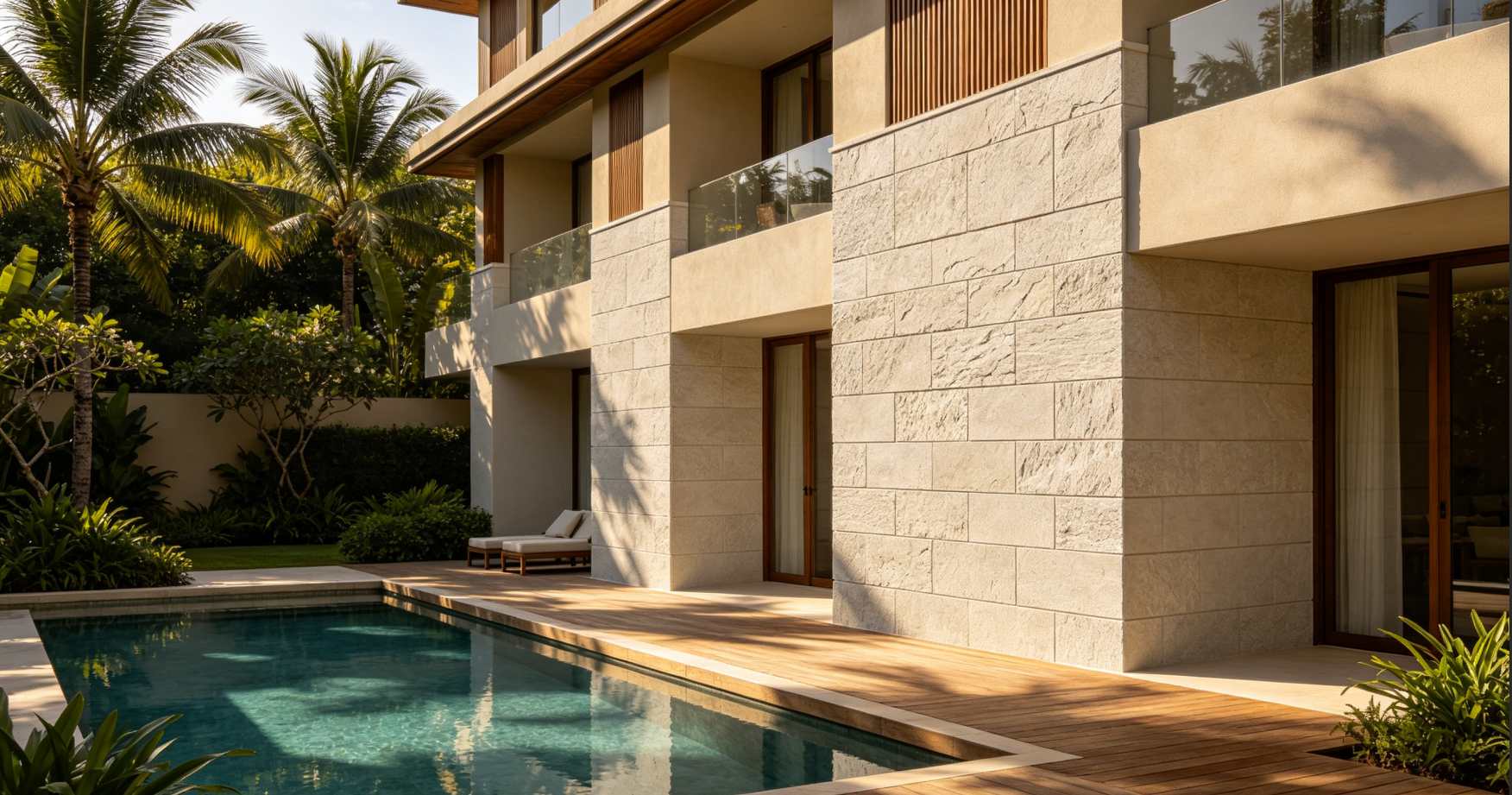
There is no single answer when comparing flexible stone vs ceramic tile. Each material meets different project needs.
Flexible stone is often a stronger choice for:
- Lightweight renovation projects
- Modern architectural designs
- Exterior wall decoration
- Large feature walls
- Projects requiring fast installation
Ceramic tile remains a practical choice for:
- High-moisture areas
- Traditional wall decoration
- Projects requiring a hard ceramic surface
Understanding the building environment, design needs, and construction conditions helps make a better decision.
Project managers should start with a clear list of priorities. Is speed the top concern? Does the design include curves? Will the walls face constant moisture? Answering these questions points toward the right material. Budget, local climate, and long-term upkeep also matter. When all factors are weighed, the selection becomes clearer and more reliable.
О компании Foshan Sincere Building Materials Co., Ltd.
Компания Foshan Sincere Building Materials Co., Ltd. is a professional supplier. It specializes in flexible stone and tile products for global architectural decoration projects.
Based in Foshan, China, the company focuses on wall decoration solutions. These solutions mix design value, practical performance, and construction efficiency. Its product range covers flexible stone, decorative tiles, and related building materials. They suit residential, commercial, and exterior uses.
With experience in international building material supply, the company supports customers with product selection, customized solutions, and project-oriented service. The company works with distributors, contractors, designers, and construction companies. They look for reliable wall cladding materials.
By combining modern production technology with attention to quality control, Sincere Build provides flexible stone and tile solutions for different architectural styles and renovation requirements.
The team understands that every project has unique demands. They offer guidance on matching materials to specific needs. This support helps clients move from idea to finished wall with fewer delays. Quality checks at each stage keep results consistent. Customers across many countries rely on this steady approach.
Заключение
The choice of flexible stone over ceramic tile or vice versa will depend on the purpose, design, and installation conditions of the project.
The ceramic tile is still a reliable material with high durability and water resistance properties. Flexible stones give additional benefits of lightweight, design versatility, and ease of renovation.
For modern renovation projects that need creative wall designs, curved surfaces, or faster installation, flexible stone can be an effective alternative to traditional wall decoration materials.
Both options have clear places in today’s building work. Matching the material to the job brings the best outcome. Careful planning at the start leads to walls that look good and perform well for years.
FAQs About Flexible Stone and Ceramic Tile
Is there a benefit of flexible stone over ceramic tile when remodeling?
The flexible stone material may be more beneficial than the ceramic tiles for remodeling projects where the requirement is to use light materials and quicker installation process.
Can flexible stone be used for exterior walls?
Yes. Flexible stone for exterior walls is widely used in architectural decoration. This includes villas, commercial buildings, and facade renovation projects.
Are flexible stone panels easy to install?
Flexible stone panels are generally easier to handle and install compared with heavier wall materials. This is because of their lightweight structure and adaptability.
What are the main benefits of ceramic wall tiles?
Ceramic wall tiles are very durable, waterproof, easy to clean and very decorative.
How do I choose between flexible stone veneer and ceramic tile?
The choice depends on the project location, design style, installation requirements, and expected performance. Flexible stone veneer is suitable for creative and lightweight applications. Ceramic tile works well for traditional decoration needs.


