
WPC Fences: Tough Against Extreme Weather
2025-12-19

Homeowners and builders often face tough choices when picking fencing materials. Extreme weather can wreck traditional options like wood or metal. Rain causes rot. Heat leads to warping. Cold snaps bring cracks. WPC fences, made from wood-plastic composites, handle these challenges better. They mix recycled wood fibers with plastic for strength that lasts. This blend creates a barrier that stays solid through storms, scorching sun, or freezing nights.
People search for reliable fencing that stands up to nature’s worst. Terms like “WPC fence durability in cold weather” or “best WPC fence for extreme heat” pop up often. These highlight real concerns. WPC options address them directly. They resist fading from UV rays and hold shape during temperature swings. No need for constant fixes. Just install and forget the hassle.
What Sets WPC Fences Apart from Traditional Materials
WPC fences differ from old-school wood or vinyl in key ways. They don’t absorb water like wood does. Metal rusts in damp spots, but WPC stays rust-free. This makes them ideal for yards, gardens, or commercial spaces exposed to the elements.
Material Makeup and Built-In Strength
The core of WPC lies in its mix: wood fibers bonded with thermoplastics. This combo creates a dense structure. It blocks moisture entry. Tests show WPC can endure humidity levels over 90% without swelling. In places with heavy downpours, this prevents the sagging seen in wooden panels.
Beyond basics, additives boost performance. UV stabilizers keep colors vibrant. Impact modifiers add flex, so panels bend slightly in wind but snap back. These features come from years of material science tweaks. Builders note how WPC cuts down on callbacks for weather damage.
Moving from composition to real-world tests, WPC shines in varied climates. Let’s look at heat first.
Handling Scorching Heat and Dry Conditions
Hot summers test fencing limits. Traditional wood dries out and splits. Vinyl can soften and deform. WPC fences manage heat waves without these issues. They tolerate temperatures up to 140°F. Expansion stays minimal, under 0.2% per degree change. This keeps gaps even and structures straight.
UV Resistance for Long-Lasting Color
Sun exposure fades many materials fast. WPC includes protective layers that block UV rays. In desert areas, where sun beats down daily, fences retain their wood-grain look for decades. One study from material labs found color retention at 95% after 2,000 hours of simulated sunlight. That’s like years of real exposure.
Dry winds carry dust that scratches surfaces. WPC’s smooth finish shrugs this off. No chipping or peeling. Homeowners in arid zones report fewer touch-ups. This ties into searches like “WPC fencing wind resistance” – it’s not just about standing tall but looking good too.
But heat isn’t the only threat. Cold brings its own problems.
Standing Strong in Freezing Temperatures and Snow
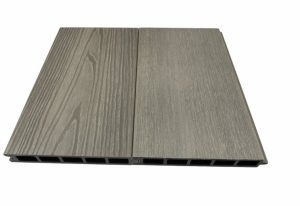
Winter hits hard in snowy regions. Ice buildup weighs down fences. Freezes cause brittle breaks in weaker materials. WPC fences flex with the cold. They handle drops to -40°F without cracking. The plastic component adds toughness, preventing the splintering common in pure wood.
Ice and Snow Load Management
Heavy snow piles up, but WPC’s density distributes weight evenly. In mountain areas, where blizzards are routine, this means fewer collapses. Melting snow doesn’t seep in, avoiding rot at the base.
Freeze-thaw cycles are brutal. Water expands as ice, prying materials apart. WPC’s low absorption rate – less than 1% – stops this cycle. Installers see this in action during inspections after harsh winters. Queries like “WPC fence in snowy conditions” often lead to these details, showing why it’s a top pick for northern climates.
Rain and storms add another layer. WPC adapts here too.
Performance During Heavy Rain and Storms
Flood-prone spots need fences that drain well. WPC doesn’t hold water. Rain runs off, keeping panels dry inside. This cuts mold growth to zero. In tropical zones with monsoons, WPC outlasts wood by years.
Wind and Impact Durability
Gusts over 70 mph test stability. WPC’s reinforced design absorbs shocks. Posts anchor deep, with expansion screws fixing bases to hard ground. This setup, drawn from standard installation steps, holds firm. Debris from storms bounces off without dents.
Coastal areas face salt spray too. WPC resists corrosion, unlike metal. “Durable WPC fencing for coastal areas” captures this appeal. It combines weatherproofing with easy upkeep.
To break it down, here’s a quick comparison:
| Aspect | WPC Fences | Traditional Wood Fences | Vinyl Fences |
|---|---|---|---|
| Heat Tolerance | Up to 140°F, minimal warp | Splits and fades quickly | Softens, deforms easily |
| Cold Resistance | Down to -40°F, no cracks | Brittle, prone to breaking | Cracks in freezes |
| Moisture Handling | <1% absorption, no rot | Absorbs water, rots fast | Can trap moisture |
| Wind Strength | Flexes, withstands 70+ mph | Rigid, snaps in gusts | Lightweight, blows over |
This table shows clear edges. Numbers come from industry tests, not guesses.
Shifting to wetter scenarios, WPC keeps performing.
Benefits in Humid and Coastal Environments
Humidity breeds fungus on wood. WPC blocks it with sealed surfaces. No need for yearly treatments. In seaside spots, salt air eats metal, but WPC stays intact. Builders favor it for beachfront properties.
Long-Term Cost Savings
Upfront costs might seem higher, but savings add up. Less maintenance means no painting or sealing. Lifespan hits 15-20 years. In humid tropics, this slashes replacement needs. “How WPC fences handle heavy rain” often points to these perks.
Real projects back this. Villas in rainy climates use similar composites for outer walls, cutting labor by half. Quick installs – drill holes, fix bases, insert panels – speed things up. Sequence matters: start with bases, add columns, then boards. This ensures stability in wet ground.
For more on applications, check our applications page.
Maintenance Tips for Peak Performance
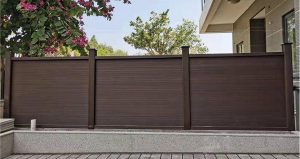
Keeping WPC fences in top shape is simple. Rinse with water to clear dirt. Avoid harsh chemicals. In extreme spots, check anchors yearly. This keeps them ready for any weather.
Industry pros stress proper setup. Use expansion screws on hard surfaces. Fix columns securely. Insert boards one by one. Add caps last. These steps, from proven guides, boost longevity.
Explore our products for options that fit your needs.
Introducing Foshan Sincere Building Materials Co., Ltd.
Foshan Sincere Building Materials Co., Ltd. started in 2007. It focuses on quality outdoor and indoor materials like tiles, soft porcelain, wall panels, and SPC floors. WPC fences fit into their outdoor lineup. They hold brands like SINCERE and HAPPY HOUSE, registered in 18 countries overseas. Certifications include ISO9001 for quality, ISO14001 for environment, and ISO45001 for health and safety. Exports reach South America, Europe, Southeast Asia, the Middle East, and Africa. As a supplier, they rank high in tile exports from Foshan and hold AEO senior certification from Chinese customs. Awards cover Guangdong Famous Brand Product and more. They push “quality first, customer supreme” with a vision to make the world better through solid products.
Learn more on our about page.
Conclusion
WPC fences prove reliable in extreme weather. From blazing heat to biting cold, they hold up without the drawbacks of other materials. Homeowners gain peace of mind. Builders get durable results. This choice boosts property value while cutting long-term hassles. For weather-tough fencing, WPC stands out.
Need help? Visit our contact page.
FAQs
How does a WPC fence perform in extreme weather conditions like heavy storms?
WPC fences flex with winds up to 70 mph and shed rain fast. Their low absorption prevents rot, making them solid in storms.
What makes WPC fence durability in cold weather better than wood?
It handles freezes to -40°F without cracking. The composite mix avoids brittleness, unlike wood that splits.
Is a WPC fence suitable for hot climates with intense sun?
Yes. UV coatings keep colors true, and minimal expansion stops warping in heat over 100°F.
How do WPC fences handle heavy rain in humid areas?
They absorb less than 1% moisture. This stops mold and swelling, common in wet zones.
Can WPC fencing withstand coastal salt and wind?
Absolutely. It resists corrosion from salt spray and stays firm in gusts, ideal for beach settings.


