
Why Sintered Stone is Revolutionizing Traditional Kitchen Countertops
2026-01-16
Kitchens sit at the heart of homes. People gather there to cook, eat, and chat. As designs evolve, materials matter more than ever. Sintered stone stands out as a fresh option that could replace many traditional countertops. This shift comes from real needs like toughness and easy care. Homeowners and designers now look for surfaces that handle daily life without fuss.
Understanding Sintered Stone in Modern Kitchens
What makes a kitchen feel new? It’s often the countertops. They take the brunt of chopping, spilling, and heat. Sintered stone countertops durability draws attention here. Made from natural minerals pressed and heated at high temperatures, this material mimics stone but skips the flaws.
Think of a busy family kitchen. Kids drop utensils. Hot pots slide across. Sintered stone holds up. Its surface resists scratches from knives or pans. Unlike older options that chip or crack, it stays smooth. Industry reports show this material lasts decades with little wear.
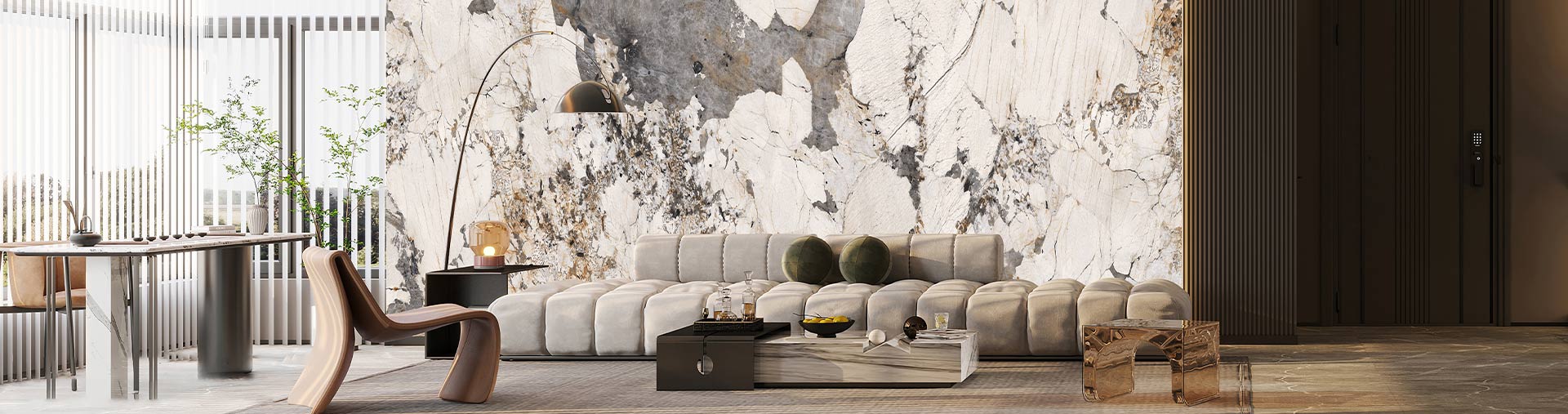
Designers point to its looks too. Patterns range from marble veins to sleek grays. Large slabs cover big areas without seams. This creates a clean, open feel in small spaces. For those remodeling, it fits right in.
Moving from basics, let’s see how it stacks up against what people used before.
Comparing Sintered Stone to Traditional Materials
Shifts in kitchen trends don’t happen overnight. They build on what works and what doesn’t. Granite and marble have ruled for years. But issues like staining from coffee or etching from acids push folks away. Sintered stone vs granite countertops highlights key differences.
Here’s a quick look in a table:
| Feature | Sintered Stone | Granite | Quartz |
| Scratch Resistance | High – tools barely mark it | Medium – can scratch easily | High – but not as tough |
| Stain Resistance | Excellent – non-porous surface | Low – needs sealing | Good – engineered to resist |
| Heat Tolerance | Up to 300°C without damage | Good – but can crack | Medium – risks burns |
| Maintenance | Wipe clean, no sealants | Regular sealing required | Low – occasional wipe |
| Cost per Sq Ft | Low | Medium | High |
In recent years, people have been paying more attention to the quality of home products, and the demand for durable countertops is growing. Sintered stone leads because it cuts down on repairs. In one case, a restaurant swapped granite for this after constant staining from sauces. The change saved hours in cleaning each week.
Quartz offers some perks, but heat can scorch it. Sintered stone shrugs off hot trays straight from the oven. For homeowners tired of coasters and mats, this freedom appeals.
Beyond comparisons, real-world use shows its edge.
Key Advantages of Sintered Stone for Everyday Use
Daily life tests kitchen surfaces hard. Spills happen. Heat builds. Why choose sintered stone countertops? Start with strength. Its compact structure blocks liquids. Wine or oil? Just wipe away. No deep soaks like in porous stones.
- Durability in Action: Families report fewer marks after years. One survey from design firms noted 90% satisfaction rates for scratch resistance.
- Heat and UV Resistance: Place hot cookware directly. Sunlight doesn’t fade colors, ideal for sunny kitchens.
- Eco-Friendly Angle: Made from natural minerals. Non-toxic and harmless.No harsh chemicals in production.
- Versatile Applications: Not just counters – use for backsplashes or islands. Fits modern, rustic, or minimalist styles.
In a coastal home, salt air corrodes metals and fades woods. Sintered stone stays pristine. Designers share stories of clients thrilled by the low upkeep. No yearly sealing means more time enjoying the space.
This leads to bigger trends shaping homes.
The Role of Sintered Stone in Future Kitchen Trends
Kitchens are getting smarter and greener. Open layouts demand seamless materials. Future trends in kitchen countertops lean toward options like sintered stone. Why? It blends tech with nature.
Market growth backs this. Projections show sintered stone capturing more share as people prioritize sustainability. Homes now feature integrated tech, like charging stations in counters. This material’s stability supports that without cracking.
Consider a trend: multifunctional islands. People prep meals, work, and entertain there. Sintered stone’s large formats allow unbroken surfaces. In urban apartments, where space is tight, it makes rooms feel bigger.
Design pros predict by 2030, half of new kitchens will use advanced surfaces. Sintered stone fits because it’s durable and environmentally friendly, easing installs.
But what about setup and care?
Installation and Maintenance Tips for Sintered Stone

Getting it right starts with pros. Find local experts to easily handle the installation. Slabs need careful handling due to size. Fabricators cut them to fit sinks or edges.
Steps include:
- Measure precisely to avoid gaps.
- Apply tile adhesive for laying, with sealant as an auxiliary
- Seal edges if outdoors, though rare for kitchens.
Once in, care is simple. Daily wipes with mild soap suffice. For tough spots, a soft scrubber works. Avoid harsh cleaners to keep the shine.
Homeowners in high-traffic homes praise this ease. One family with pets noted no claw marks after months.
As trends evolve, suppliers play a key role.
Meet Foshan Sincere Building Materials Co., Ltd.
Before diving into common questions, meet a reliable source in this field. Foshan Sincere Building Materials Co., Ltd., based in China since 2007, supplies high-quality sintered stone. They focus on exports to regions like Europe and Southeast Asia. With certifications like ISO 9001 for quality and ISO 14001 for environment, they ensure products meet global standards. Their network spans multiple countries, offering durable options for kitchen projects.
Conclusion
Sintered stone brings a fresh take to kitchen design. Its mix of strength, beauty, and ease positions it to overtake older materials. As homes adapt to busier lives, this choice delivers lasting value. For those planning updates, it promises a space that’s both practical and stunning.
FAQs
How does sintered stone impact the future of kitchen design?
It supports open, multifunctional spaces with large, seamless slabs. Trends show a rise in eco-friendly materials, and sintered stone fits by using recycled elements. For details, visit our website or contact us.
Are sintered stone countertops easy to maintain?
Yes, just wipe with a damp cloth. No sealing needed, unlike traditional stones. This saves time for homeowners.
What are the pros and cons of sintered stone countertops?
Pros include high durability and low upkeep. Cons might involve higher upfront costs, but long-term savings balance it.


