
Traditional Stone vs. Flexible Stone: Picking the Best for Your Project
2025-12-11
When you plan a build or a fix-up, picking materials can decide if it turns out great or not. Traditional Stone has been a favorite for its lasting charm. Yet Flexible Stone is catching on quick, with a new spin on strength and simplicity. If you own a home and want a cool wall, or if you design and seek handy choices, or if you build and aim to save time, this matters. We will look at both to help you choose what suits your work. Let’s get started.
What Makes Traditional Stone a Classic Choice?
Traditional Stone has built structures for ages. Picture big churches or warm hearths. It comes from the ground—like hard rock, smooth marble, rough slate—and gives that true, earthy touch to any area.
The Strengths That Keep It Popular
Strength comes first. Traditional Stone handles lots of steps and bad weather. It stays firm under load. Hues and feels last long, raising worth for houses and work places.
Setup may need skill, but the final appearance lifts property looks. For paths outside or tops inside, it brings a sturdy, fancy feel. Lots of people pick it to boost their style—be it home taste or office image.
The Drawbacks You Can’t Ignore
Heaviness is a main problem. Moving big pieces raises prices and drags on time. Shaping and placing call for expert gear and knowledge, which can push costs up.
It stays stiff too. Bent walls? No way. Traditional Stone resists weird forms, causing scraps and annoyance. In damp spots, it may soak up water if not closed well, leading to marks or breaks after time.
Exploring Flexible Stone: A Modern Twist
Flexible Stone changes how stone works. It is a new type of building decoration material, not true porcelain or ceramic tile, but a flexible building decoration surface material made primarily of modified clay (MCM), formed, baked, and cross-linked by irradiation using a special temperature-controlled molding system. It is flexible and can be bent.This new idea opens ways for fun designs in snug places.
How Flexible Stone Comes to Life
It begins with earth bits like dirt and rock dust. Energy-saving, low-carbon, and environmentally friendly, containing no harmful chemicals or radioactive substances. The mesh backing is made of fiberglass, enhancing the product’s durability.
A 3D printing puts on special designs. This way stays kind to nature—no bad stuff used. The outcome? Flat pieces ship easy and light.
Varieties to Match Any Vision
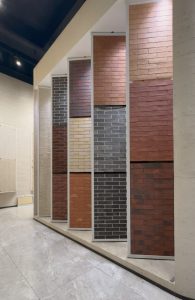
Flexible Stone varies a lot. Some copy raw cement for tough edges. Others look like sandstone’s cozy bits. Marble kinds glow with class, while limestone sorts give quiet peace.
Slimness sits at 3 to 5 millimeters, good for twists. Shades go from light tans to strong colors. Choose flat for simple rooms or shiny for loud ones. No matter your work, a match exists.
Head-to-Head: Traditional Stone vs. Flexible Stone for Your Project
Now, compare them side by side. Each fits somewhere, but based on your aims, one may win. We will check main parts to lead your choice.
| Aspect | Traditional Stone | Flexible Stone |
|---|---|---|
| Weight | Heavy—up to hundreds of pounds per slab | Light—3-6 kg per square meter |
| Flexibility | Rigid, no bending | Bends easily for curves and corners |
| Installation Time | Days or weeks with pros | Hours, even DIY-friendly |
| Cost | Higher due to transport and labor | Lower shipping and quicker setup |
| Durability | Excellent against wear, but can chip | Weather-resistant, fireproof, lasts 15+ years |
| Eco-Friendliness | Mining impacts environment | Made from natural powders, recyclable options |
Weighing the Costs
Traditional Stone costs more at the start. Sending those big items adds fees, and paying skilled folks for shapes is not cheap. But over years, it could cut swaps if your spot has light use.
Flexible Stone does well here. Its lightness drops send costs. You can do setups alone often, cutting work pay. For large tasks like inn halls or house changes, this ends quicker and spends less in total.
Ease of Putting It In Place
Think of this: carrying Traditional Stone up steps. It’s hard work. You need lifts or groups for wide spots.
Flexible Stone? Take a blade and glue. Wipe the spot clean, spread stick, push down. It wraps walls, posts, even tops without trouble. For your work, if time runs short, this shifts the game.
Holding Up Over Time and Upkeep
Both stay tough, but differently. Traditional Stone faces storms fine if closed. Still, it can mark or split in cold snaps.
Flexible Stone pushes back with in-built bonuses. It blocks water, fights fire to high marks, and ignores acids or pests. No dim under light. Wipe to clean. In crowded areas like stores or yards, it stays fresh with small work.
Looks and Custom Touches
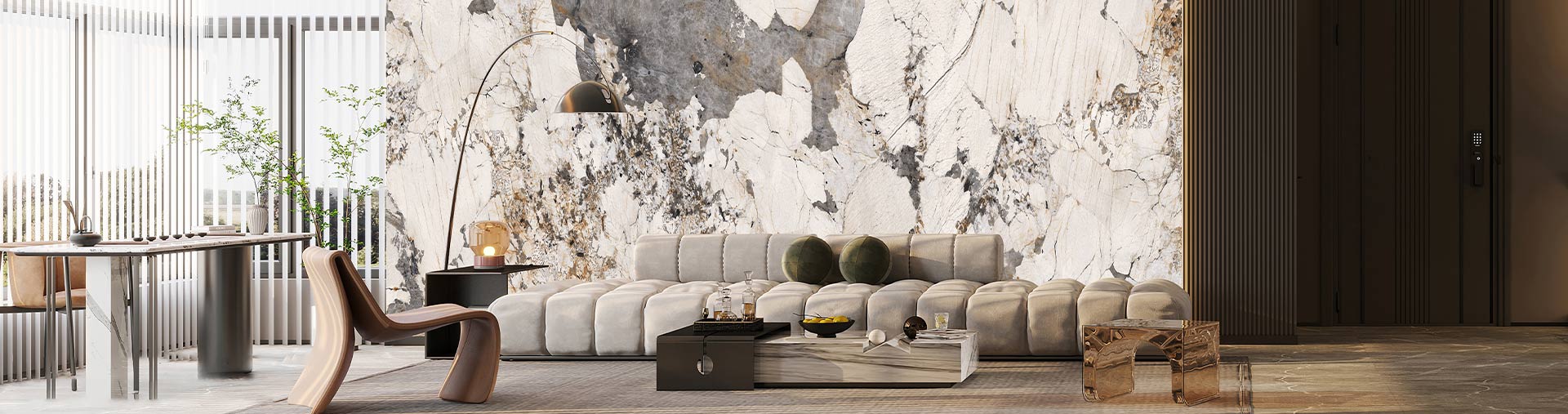
Traditional Stone has real changes—lines in marble, specks in sandstone. But choices end where earth stops.
Flexible Stone copies that charm and gives extra. Print ways let you change shades or shapes for special marks. Need a old wall in a new office? Yes. It makes home styles shine or work places stand out.
Impact on the Planet
Pulling Traditional Stone harms lands and takes much power.
Flexible Stone takes rock dusts, less mess. It’s low harm and skips bad things like strong smells. For earth-caring builders, it matches green aims, raising your work’s nature score.
Where Each Shines in Real Settings
Traditional Stone suits lasting builds. Old houses or rich lands use it for that endless touch. It’s usual in grounds, tops, and markers where heaviness stays fine.
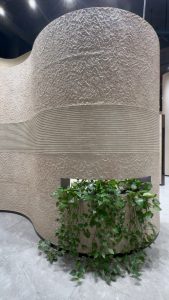
Flexible Stone does great in hard spots. Cover home outsides in hot areas for beat-weather style. Fix shop walls for grab-eye shows. It’s big in fun spots, book halls, and show places—inside for bath calm, outside for strong fronts.
In one spot, it changed a fun store’s inside, mixing rough feels with fresh airs. Another used it on home walls, standing to warmth and grit. For your work, if bends or fast changes count, Flexible Stone leads.
Tips to Choose Wisely for Your Project
Picking between Traditional Stone and Flexible Stone? Here is how to do it right:
- Look at your area: Inside with straight paths? Traditional may fit. Curved wall surface? Pick Flexible.
- Break down cash: Count long costs, not just now.
- Try bits: Touch the feels. Check if they fit your plan.
- Chat with experts: Builders spot hidden snags.
- Plan ahead: Will it raise your home price or work look?
These keep it real and linked to your needs.
Introducing Foshan Sincere Building Materials Co., Ltd.: A Trusted Flexible Stone Supplier
If Flexible Stone grabs you, check Foshan Sincere Building Materials Co., Ltd. They began in 2007, this group from China tops in good wall and ground stuff for in and out use. With 18 years, they lead sales in their area and hit 98 lands around.
They hold key certifications like ISO for quality, environment, and safety, plus customs perks for smooth exports. Trademarks in 18 nations show their global game. Their motto? Quality first, customers always. They craft flexible stone that blends natural looks with easy handling, helping you build standout spaces. Whether you’re stocking a store or tackling a big build, their team delivers custom fits and reliable service.
Wrapping It Up
At last, picking between Traditional Stone and Flexible Stone ties to your work’s needs. Traditional gives strong hold for old setups. Flexible brings clever bonuses for new wants—lighter, curvier, kinder. Check your spot, cash, and plans. The best choice not just finishes but raises your mark, be it warm home or sharp work front. Set to go? Look at choices and spot the change.
FAQs
What’s the main difference between Traditional Stone and Flexible Stone for your project?
Traditional Stone stays solid and stiff, cut from digs for that heavy feel. Flexible Stone, but, is slimmer and curves, good for shapes without breaks. It holds the earth stone appearance but adds simple for fast fits.
Is Flexible Stone strong enough next to Traditional Stone in outside works?
Yes, it stands firm. Flexible Stone fights weather, sun beams, and fire better sometimes. Traditional Stone is hard too, but Flexible’s light make means less pull on builds over days. For your work in yards or fronts, it often holds 15 years plus with small care.
How does picking Flexible Stone over Traditional Stone change costs for your project?
It mostly saves cash. Flexible Stone reduces send and work fees as it’s so light and easy to place. Traditional Stone adds bills with big moves and expert aid. Think your work size—wider spots see more saves with Flexible.
Can I use Flexible Stone in inside areas where Traditional Stone seems too big?
Sure. It’s fine for walls, tops, or even highs inside. The curve way lets you cover bends in baths or sit rooms quick. Traditional Stone does good but may crowd small places with its load.
Which is better for nature-kind works: Traditional Stone or Flexible Stone?
Flexible Stone wins here. Made from earth dusts without rough digs, it marks less. Traditional Stone calls for pulls that hurt ground. If your work seeks green points, Flexible aids build with care.


