
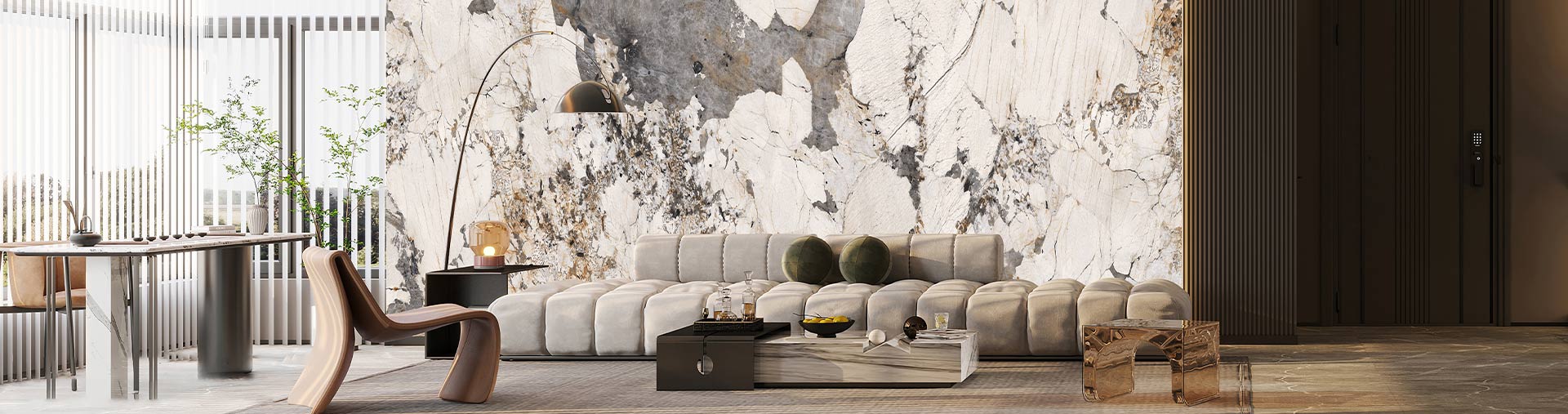
How to Choose Wall Panels for Minimalist, Nordic & Neoclassical Interiors
2026-04-03
Wall panels can update a room quicker than most other surface finishes. They bring depth to it. They cover plain walls easily. And they help a space feel more complete. But they do this without making every wall the center of attention.
Many buyers start with color alone. They miss the bigger picture this way. In practice, the right wall panel depends on three things that work together. These things are the visual look, the surface texture, and the size. A panel that looks calm and nice in a Nordic bedroom may feel too plain in a neoclassical dining room. A bold stone-look panel can work in one modern apartment. Then it might feel too much in a small minimalist study.
This guide breaks down how to choose wall panels for interior styles that are now popular in homes and light commercial projects. The styles are minimalist, Nordic, and neoclassical. The goal is simple. Pick panels that look right. They should feel consistent with the room. And they should still make practical sense for everyday use.
Why Style Should Guide Wall Panel Selection
Before we look at each style, it helps to understand why wall panels should never be chosen as a standalone decorative item.
Interior styles are built on repeatable visual rules. Minimalist spaces need control and simplicity. Nordic rooms rely on light, warmth, and how usable they are. Neoclassical interiors need balance, detail, and a sense of order. Wall panels sit on the largest visible surface in the room. So even a small mismatch in finish or pattern becomes obvious.
The table below shows how style changes the choice.
| Interior Style | Best Panel Direction | What to Avoid |
| Minimalist | Flat or lightly textured surfaces, soft colors, small joints, dull finish | Busy grain, deep relief, shiny reflection, strong contrast |
| Nordic | Light wood look, soft grooves, warm neutral palette, natural texture | Dark heavy tones, sharp metallic shine, overly formal detailing |
| Neoclassical | Framed panels, balanced geometry, elegant stone or painted finish, layered wall composition | Random layouts, oversized grooves, rough industrial texture, overly casual forms |
This table makes it clear why style matters so much. Now that we see the big picture from the table, we can move to specific styles. Let’s start with minimalist interiors.
How to Choose Wall Panels for Minimalist Interiors
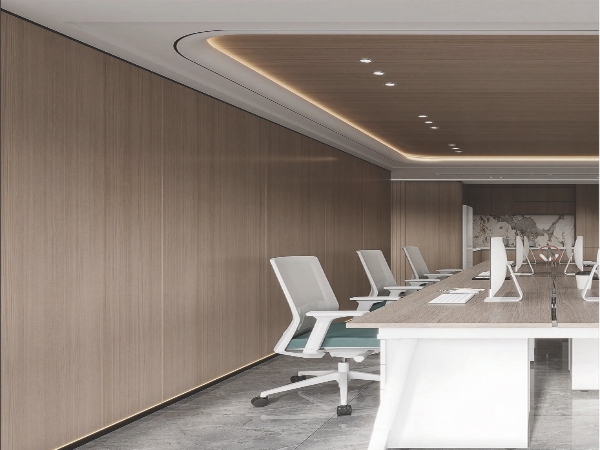
Minimalist interiors are often misunderstood. They are not empty rooms with no character. Good minimalism still has depth. But the depth comes from size, light, and material. It does not come from too many visual things.
To make that work, minimalist wall panels need to stay quiet.
Keep the Surface Simple Not Lifeless
A flat wall panel or a very light linear texture usually works best. The aim is to create a clean backdrop. It reads as planned when sunlight moves across the wall. Dull finishes are often safer than shiny ones. They soften reflection. And they make the room feel calmer.
In a living room with low-profile furniture, a warm white, light taupe, greige, or soft wood-look panel can build texture. But it does not demand attention. In a small apartment bedroom, panels behind the headboard can replace artwork entirely. That often gives the room a more expensive and settled look.
Choose Color with the Room Size in Mind
Minimalist wall panels should make the room feel larger. They should not make it tighter. In small spaces, light neutral tones usually work better than dark statement walls. Dark panels can still fit minimalist interiors. But they need strong daylight, simple furniture, and enough open floor area.
A useful rule is to let the wall panel be only half a step richer than the main wall color. That keeps contrast controlled.
Use One Focal Wall Not Four
Minimalism loses impact when every wall tries to speak. In most cases, one feature wall is enough. The wall behind a sofa, bed, media unit, or reception desk is usually the strongest location.
Here is how it works in different rooms.
| Room | Minimalist wall panel approach | Why it works |
| Living room | Full-height matte panel behind sofa or TV wall | Adds depth without visual clutter |
| Bedroom | Soft wood-look or fabric-texture wall behind headboard | Creates warmth and quiet |
| Home office | Smooth neutral panel on one side wall | Improves focus and keeps background clean |
| Corridor | Half-height simple paneling in light tones | Brings order to narrow spaces |
These ideas work well for minimalist rooms. Next, we will look at Nordic interiors.
How to Choose Wall Panels for Nordic Interiors
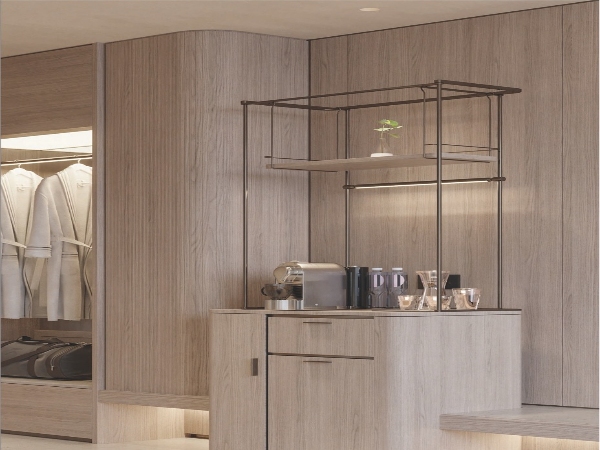
Nordic wall panels and minimalist wall panels can look similar at first glance. But they are not the same. Nordic interiors are softer and more human. They are still clean. Yet they allow more warmth, more natural grain, and more everyday comfort.
That difference matters when you select panel color and texture.
Start with Light and Warmth
Nordic interiors depend on bright surfaces. This is because natural light can be limited for part of the year in northern climates. That is why light oak tones, pale ash looks, soft beige, off-white, and warm gray work so well in this style. They reflect light. At the same time, they keep the room relaxed rather than sterile.
For this style, wood-look decorative wall panels are often a strong choice. The grain should look natural. It should not look overly dramatic. A soft slatted or lightly grooved surface can add rhythm to the wall. But it does not make the room feel busy.
Balance Clean Lines with a Tactile Finish
A Nordic room should feel comfortable enough for daily life. That is why a wall panel with a slight natural texture often works better than a perfectly smooth synthetic-looking face. In a family living room, a warm-toned panel behind open shelves can soften the straight lines of storage. In a café or lounge corner, a pale wood wall can make the space feel more welcoming almost immediately.
Bedroom wall panel design in Nordic spaces is especially effective. This happens when the wall doubles as a visual headboard. The panel can run vertically to make the room feel taller. Then it can stop at the ceiling line without extra trim.
Think About Function Not Only Appearance
Nordic design is practical by nature. Panels are often used to define zones in open rooms. They create a cleaner wall behind seating. Or they add a finished backdrop to everyday spaces. That makes them useful in apartments, hospitality projects, showrooms, and reading corners. They are not just for formal living rooms.
If the room already has warm timber flooring, the wall panel should not fight it. A lighter tone, a softer grain, or a more matte surface usually creates better layering. This is better than trying to match every wood effect exactly.
Nordic style brings warmth to spaces. Now let’s see what neoclassical interiors need from wall panels.
How to Choose Wall Panels for Neoclassical Interiors
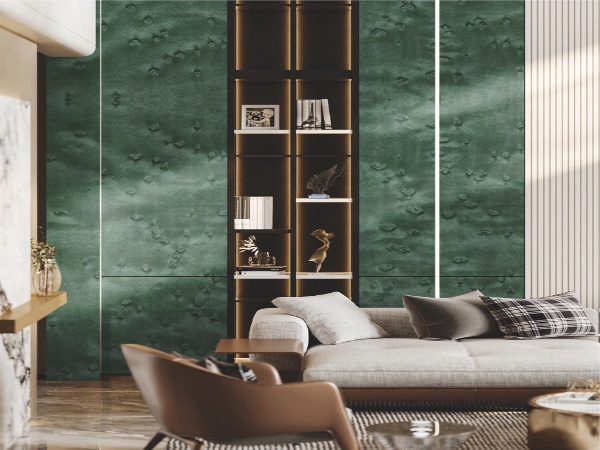
Neoclassical wall panels work on a different design language. Here, the wall is not only a background. It becomes part of the architecture of the room.
That means size and balance matter more than new ideas.
Focus on Symmetry and Framing
In neoclassical interiors, framed wall compositions often look more natural than free-form feature surfaces. Clean rectangular divisions, panel molding effects, and balanced spacing help the room feel composed. Even when the finish is simple, the layout should look measured.
For example, a formal dining room may use evenly spaced framed panels on both sides of a center wall. A bedroom may combine upholstered furniture with elegant wall panel ideas in painted ivory, warm white, or a stone-inspired finish.
Use Richer Materials with Restraint
Neoclassical design is nice and detailed. But it is not messy. Stone-look wall panels, smooth painted surfaces, and subtle metallic notes can all work. They work when they are balanced. The key is keeping things under control. Heavy contrast, rough industrial textures, and oversized 3D relief tend to pull the room away from neoclassical order.
This is also where ceiling height matters. In rooms with standard ceiling heights, simpler profiles and lighter colors usually create a better result than deep, heavy panel structures. In taller spaces, fuller framing and a more layered wall treatment can feel appropriate. Sources on neoclassical interiors consistently emphasize symmetry, pale palettes, and architectural detailing such as paneling and molding. They do this rather than casual feature-wall effects.
Match Panel Scale to Room Formality
A small guest bedroom can handle neat, narrow framed panels. A formal entrance hall can support larger panel fields with more visual weight. The more formal the room, the more disciplined the panel layout should be.
One common mistake is mixing neoclassical wall panels with overly modern furniture lines and random accent colors. The result often feels undecided. A better approach is to keep the panel pattern classic. Then let lighting, textiles, and tables add a contemporary edge.
A Brief Look at Foshan Sincere Building Materials Co., Ltd.
When buyers source wall panels for projects, consistency and category range matter as much as appearance. Foshan Sincere Building Materials Co., Ltd. was established in 2007. It supplies indoor and outdoor building materials to customers across multiple overseas markets. The company has customers in 98 countries. It offers wall panel lines that include wooden, stone pattern, metal, and fabric texture series. It also has other interior and exterior surface materials. It presents company, application, video, and contact pages. These support project communication for buyers looking for a wall panels supplier rather than a single-item seller.
This company shows what good supply looks like.
Conclusion
Choosing wall panels for interior styles is really about reading the room correctly. Minimalist spaces need calm surfaces and disciplined color. Nordic interiors need light, warmth, and natural texture. Neoclassical rooms need symmetry, structure, and a more architectural wall treatment.
When the panel matches the style, the room feels put together nicely before any extra decoration is added. That is what makes good wall panels such a useful design help. They do not just cover walls. They set the tone of the space. They support furniture choices. And they help each room feel more complete.
FAQs
What are the best wall panels for minimalist interiors?
The best minimalist wall panels are usually flat or lightly textured panels in matte finishes and quiet colors such as warm white, beige, greige, or soft wood tones. They should add depth without creating visual noise.
Are Nordic wall panels always wood-look panels?
Not always. But wood-look Nordic wall panels are a common choice. They bring warmth and natural texture. Light tones and soft grain patterns usually fit this style better than dark or glossy finishes.
How do neoclassical wall panels differ from modern wall panels?
Neoclassical wall panels focus more on symmetry, framed composition, and elegant detail. Modern wall panels often rely on simpler surfaces, larger uninterrupted areas, or more casual geometry.
Can one home use different wall panels in different rooms?
Yes. A home can use different decorative wall panels. This works as long as the palette and overall mood stay connected. A Nordic bedroom, a minimalist study, and a neoclassical dining room can still feel unified. They do this when transitions are handled well.
Which wall panel color is best for small rooms?
For small rooms, lighter wall panel colors usually work best. Soft white, beige, pale wood, and warm gray can make the space feel more open. At the same time, they still add texture and style.
Prev : None


