
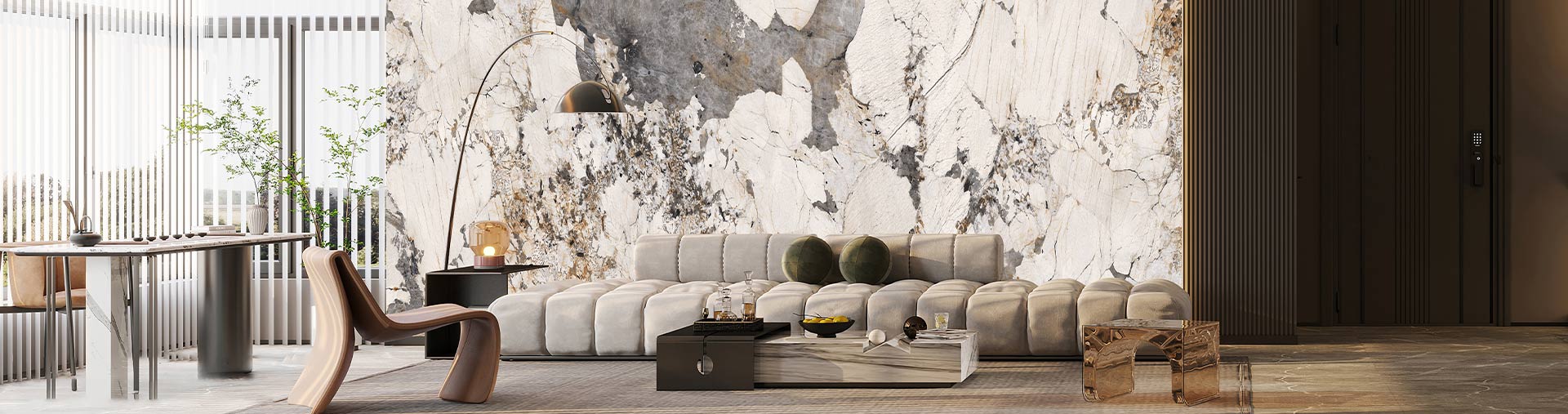
Flexible Stone Pioneering Tomorrow’s Design
2026-01-02
Flexible stone stands out in today’s building world. This material mixes the raw appeal of natural stone with the ease of bending around shapes. Builders and designers turn to it for projects that demand both strength and style. As demands grow for smarter, greener options, flexible stone leads the way.
Understanding Flexible Stone
People often wonder what sets flexible stone apart from regular materials. At its core, flexible stone comes as a slim layer of real stone fixed to a bendy base. This setup lets it wrap around corners or fit odd forms without cracking. Think of it in action: a curved wall in a modern home gets covered seamlessly, no heavy slabs needed.
Such design opens doors for fresh ideas. Unlike stiff stone that weighs down structures, this version stays light, around 3 to 5 millimeters thick. It keeps the true textures and shades of stone, from earthy tones to sleek patterns. For those eyeing updates, check out more on flexible stone to see real examples.
This shift from old methods tackles common pains. Traditional stone means hauling big pieces, cutting them just right, and dealing with high costs. Flexible stone changes that game. It arrives in sheets, ready to cut with simple tools. No wonder it pops up in homes, offices, and public spots.
The Making of Flexible Stone
Curious about how flexible stone gets its form? The process starts with raw bits like clay and stone powder. Workers clean and grind these into fine particles. Then, they mix in polymers for stickiness and bend, plus additives for extras like fire resistance.
Mixing happens in big blenders at high speeds. Everything blends into a smooth paste. Next, spray it onto molds that shape the surface look. Laying fiber mesh go in for strength, followed by more paste. Baking in controlled heat sets it solid.
After cooling, peel off the sheets, cut them to size, and let them rest for stability. Some get 3D prints for custom colors or patterns. A final coat protects against wear. Inspections check every piece before packing. This careful steps ensure each sheet holds up in real use.
Knowing the craft behind it shows why flexible stone fits so well in varied spots. From start to finish, the focus stays on quality and green practices, using natural stuff without harmful chemicals.
Varieties of Flexible Stone
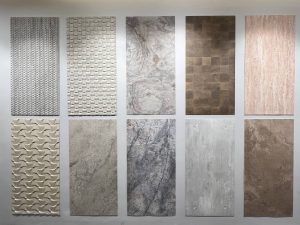
Flexible stone comes in different styles to match needs. Each type brings its own feel and fit.
- Cement Style: Rough textures in grays and browns suit rustic setups. It handles tough spots well.
- Sandstone Look: Smooth, warm shades work in cozy areas. The sandy finish adds a natural touch.
- Marble Vibes: Shiny patterns scream upscale. Ideal for spots needing a fancy edge.
- Limestone Choice: Soft surfaces bring calm elegance. Great for low-key designs.
Thickness keeps slim for easy bends. Colors range from beiges to bold hues, with matte or glossy ends. Pick based on the space—glossy inside for shine, tough outside for weather beats.
These options let users tailor to their vision. Whether wrapping a column or lining a facade, the right type makes the difference.
Key Benefits of Flexible Stone
Why pick flexible stone over others? It is soft and flexible, allowing for the creation of various curved shapes, fitting curves and tight corners. Light weight cuts shipping fees and eases handling. One sheet might weigh far less than solid stone, saving on transport.
It stands strong against rain, sun, and scratches. Fireproof and waterproof traits add safety. Made from natural powders, it skips formaldehyde, making it eco-friendly. Colors and textures mimic real stone, staying bright over time.
In numbers, it shines: installation drops labor time, and low upkeep saves cash long-term. For green builds, less mining means kinder to earth. See full perks on the products page for detailed specs.
Such edges boost projects. Builders cut costs, designers get creative freedom, and end users enjoy lasting looks.
Real-World Uses for Flexible Stone
Flexible stone shows up in all kinds of places. In homes, it jazzes up living rooms or turns bathrooms into spa zones. Kitchens get durable backsplashes that clean easy.
Outside, it covers building fronts or garden walls, holding up to storms. Businesses use it for eye-catching shop displays or hotel entrances. Offices add it for sleek walls.
Take a villa in Australia: owners wanted natural outer walls without high costs. Flexible stone went on thin and light, shipping easy across seas. Stuck with tile glue on cement bases, it finished fast, cutting worker hours. The brown cave stone look blended with the land, satisfying the build.
These stories highlight how flexible stone solves real challenges. It blends form and function in ways traditional materials can’t.
Tips for Installing Flexible Stone
Putting up flexible stone stays simple, even for beginners. Clean the surface first—make it dry, flat, no dirt or oil. Tools needed: Notched trowel, rubber trowel, steel ruler, round steel reinforcing bars, cutting knife, chalk line, small trowel, sponge block, electric mixer, mixing bucket, electronic scale, shovel.
During installation, note that different substrates require different treatments:
- Tile, metal, and stone surfaces: First, apply a cement-based bonding agent, then use a notched trowel to apply adhesive (tile adhesive) to the back of the product before installation.
- Wood surfaces: For interior walls, use a nail gun and add a few drops of special quick-setting adhesive to secure the edges. For exterior walls or bathrooms, waterproof the surface first, then use a small trowel to apply adhesive to the back of the product before installation.
- Cement-based, cement board, or gypsum board surfaces: Use a small trowel to apply adhesive to the back of the product before installation. For interior walls, using a special quick-setting adhesive is relatively cleaner and faster.
- Painted surfaces: Painted surfaces are more complex. For surfaces that are powdered, peeling, or have hollow areas, the existing coating should be completely removed and a new base layer applied before installation; if the surface is only slightly powdered, peeling, or has minor hollow areas, it can be roughened before applying adhesive to the back of the product with a small trowel.
Follow these, and the job goes smooth. It cuts time compared to heavy stone work.
Proper setup means lasting results. With care, flexible stone holds strong for years.
The Role of Flexible Stone in Future Design
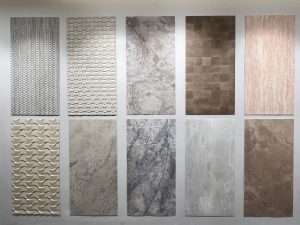
As buildings push for sustainability, flexible stone fits right in. It cuts waste from mining and transport. Tech advances make it even better, with more custom options.
Designers see it as key for curved architecture or lightweight adds. In cities, it updates old structures without overload. The bendy nature sparks new ideas, like seamless wraps on furniture or art pieces.
Looking ahead, expect more uses in green homes and smart spaces. Its mix of old charm and new ease keeps it ahead.
For more on trends, visit the main site to explore ongoing projects.
This material not only meets today’s needs but shapes what’s next in design.
Meet Foshan Sincere Building Materials Co., Ltd.
Based in Foshan, China, since 2007, Foshan Sincere Building Materials Co., Ltd. supplies top flexible stone worldwide. They hold ISO certifications for quality, environment, and safety. Products reach over 90 countries, with smooth exports as an AEO-certified firm. Focused on customer needs, they offer custom designs and reliable service. Dive deeper into their story on the about page.
Conclusion
Flexible stone changes how people approach builds. It brings natural beauty with practical bends, cutting costs and boosting creativity. From homes to big projects, it delivers strength and style. As more turn to green, easy options, this material stands ready to lead.
FAQs
How do benefits of flexible stone for home decor stand out compared to other materials?
Benefits of flexible stone for home decor include its lightweight nature and bendy fit for curves. It resists weather and fades, plus eco-friendly makeup skips harmful chemicals. Homes get real stone looks without high shipping or install fees.
Can flexible stone vs traditional stone really save on costs in big builds?
Flexible stone vs traditional stone cuts costs through lighter transport and faster setup. No need for special tools or much labor. Projects like villas see big savings on shipping weight and worker time.
What are some eco-friendly flexible stone options for outdoor use?
Eco-friendly flexible stone options use natural powders, free of formaldehyde. They hold up to rain and UV, perfect for garden walls or facades. Less mining involved keeps the environmental footprint small.
Where to buy flexible stone sheets for curved walls in architecture?
Places to buy flexible stone sheets for curved walls include suppliers focused on building materials. Look for those with global reach and custom sizes. Quality checks ensure sheets bend well without cracks.


