
Flexible Stone for Curved Architectural Design
2026-05-28
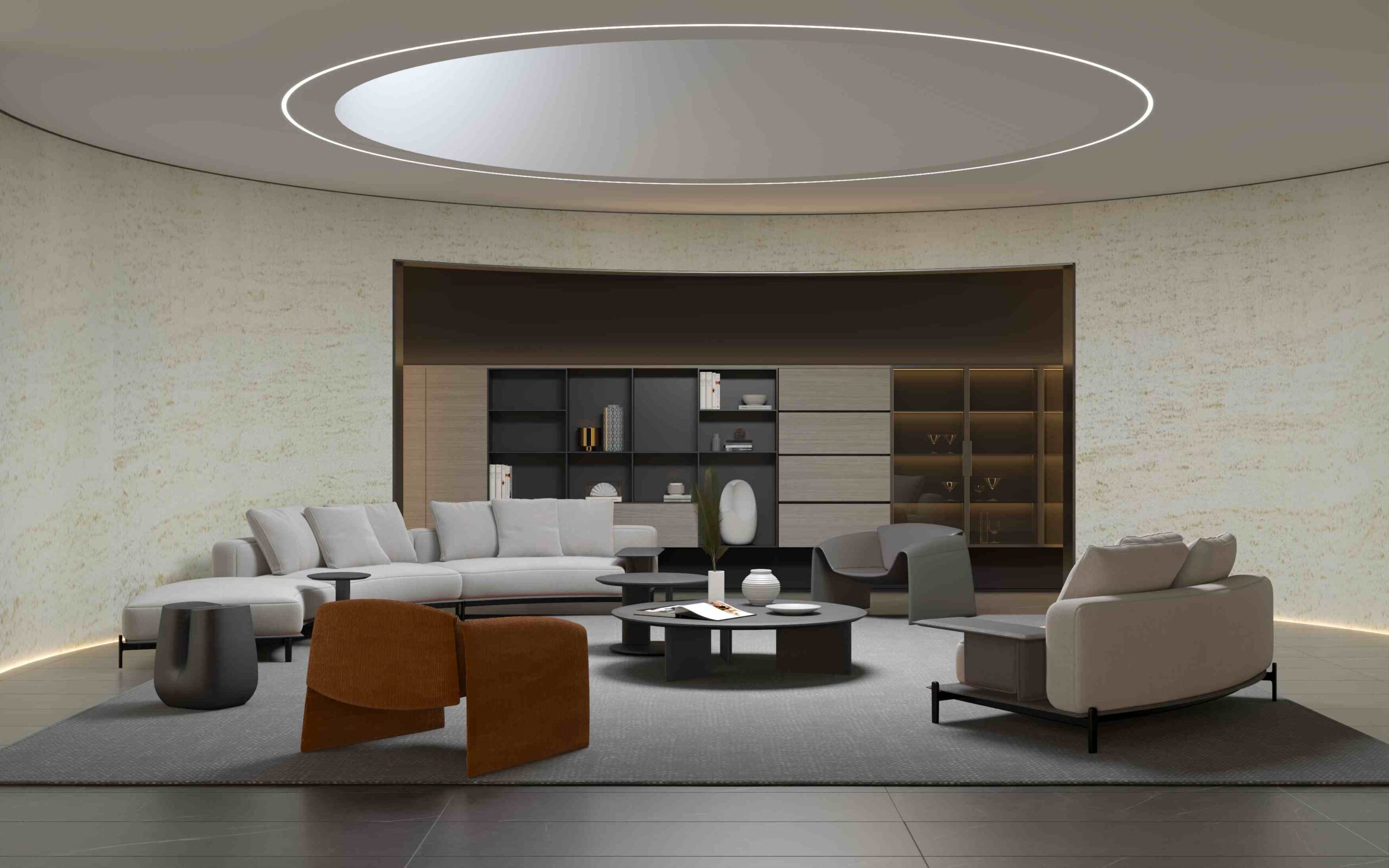
A beautifully shaped column in a hotel reception, a great arched entrance to a villa or a stylishly designed circular reception desk in an office are all way more noteworthy than a flat wall. The shapes of these elements can even dictate how one moves through a space, first impressions of a space and can even become the focal point of a whole space.
In the design and decoration process, many decorative materials lack sufficient flexibility to bend edges, posing a significant challenge to many installation projects. Flexible Stone—this stone-like surface material—can be used in a variety of installation projects and is an ideal solution for curved surfaces. Compared to traditional stone, it is lighter and can conform to various architectural curved edges, creating a smooth surface with virtually invisible seams, bringing a perfect finishing touch to your interior design projects.
What Makes Flexible Stone Useful for Columns, Arches and Desks
Flexible stone is made for spaces where standard hard cladding feels too limiting. It offers a natural stone look in a thin, lightweight and bendable format. For curved surfaces, that mix of texture and flexibility is the real value.
Sincere flexible stone weighs about 3–6 kg per square meter. That low weight helps reduce transportation cost and makes on-site handling easier, especially for large commercial projects with many columns, corridors or wall sections. The material is also suitable for indoor and outdoor wall decoration, with options for different colors, textures and customized project needs.
Flexible Stone vs Traditional Stone on Curved Features
| Project factor | Flexible stone | Traditional stone |
|---|---|---|
| Weight | Light, easier to carry and fix | Heavy, often needs stronger support |
| Curve handling | Can follow columns, arches and rounded counters | Hard to bend; needs cutting or special fabrication |
| Installation speed | Faster on many wall and feature surfaces | Usually slower on curved details |
| Design effect | Natural stone look with smoother surface flow | Premium look, but harder to apply on curves |
| Renovation use | Suitable for many existing structures | May add too much weight |
| Waste control | Lower waste when planned well | More offcuts on radius areas |
For the right project, it works as a curved wall cladding material, a column cladding material and a reception desk cladding surface. It helps turn difficult shapes into usable design features.
Flexible Stone for Columns
Columns are rarely just structural elements in interior design. In a hotel lobby, they frame the entrance and guide guests toward the front desk. In a villa, they can make an entrance hall feel more grounded. In a shopping mall or showroom, they divide space without building full walls.
Plain painted columns often look unfinished in premium spaces. Large stone slabs may be too heavy or too expensive to wrap around each column. Flexible stone for columns fills the gap between appearance and buildability.
Round Columns in Hotels, Villas and Retail Spaces
Round columns are one of the best uses for bendable stone veneer. When the surface is clean, stable and properly prepared, flexible stone can wrap around the column to create a more continuous finish. This reduces the broken, segmented look that can happen when rigid tiles are cut into narrow pieces.
For hotel lobby columns, warm sandstone or travertine-look textures can make the space feel calm and welcoming. For modern office lobbies, grey slate or cement-style textures can match metal frames, glass doors and neutral flooring. In villa entrances, lighter stone tones can brighten the space while keeping a natural feel.
Square Columns and Corner Details
Flexible stone is also useful for square columns. The main benefit is smoother treatment around edges and corners. Instead of leaving the column as a painted block, designers can turn it into part of the wall cladding system. This is helpful when the same flexible stone wall panels are used on the background wall, corridor wall and column faces.
Good planning matters. The most visible side of the column should have the cleanest sheet layout. Seams should be placed toward the less noticeable side whenever possible.
Flexible Stone for Arches
Arches add softness to interior spaces. They are common in Mediterranean-style villas, Middle Eastern interiors, boutique hotels, restaurants, spas and retail entrances. An arch can make a doorway feel warmer than a square opening. It can also give a corridor or niche a more crafted look.
The challenge is the curve. If the cladding material cannot follow the inner arch cleanly, the result may look patchy. Flexible stone for arches helps create a smoother transition from the vertical wall to the curved top.
Where Arched Stone Finishes Work Best
Flexible stone can be used on doorway arches, corridor arches, wall niches, decorative openings and semi-circular feature walls. In restaurants, an arched entrance with stone texture can separate the dining area from the reception area without building a heavy partition. In villas, a stone-finished arch between the living room and hallway can bring more depth than paint alone.
For commercial spaces, arch wall decoration should not feel too busy. A texture with clear but not overly strong grain usually works better. If the arch is narrow, a fine stone texture can make the curve look cleaner. If the arch is large, deeper textures can add stronger shadow and depth.
Flexible Stone for Reception Desks
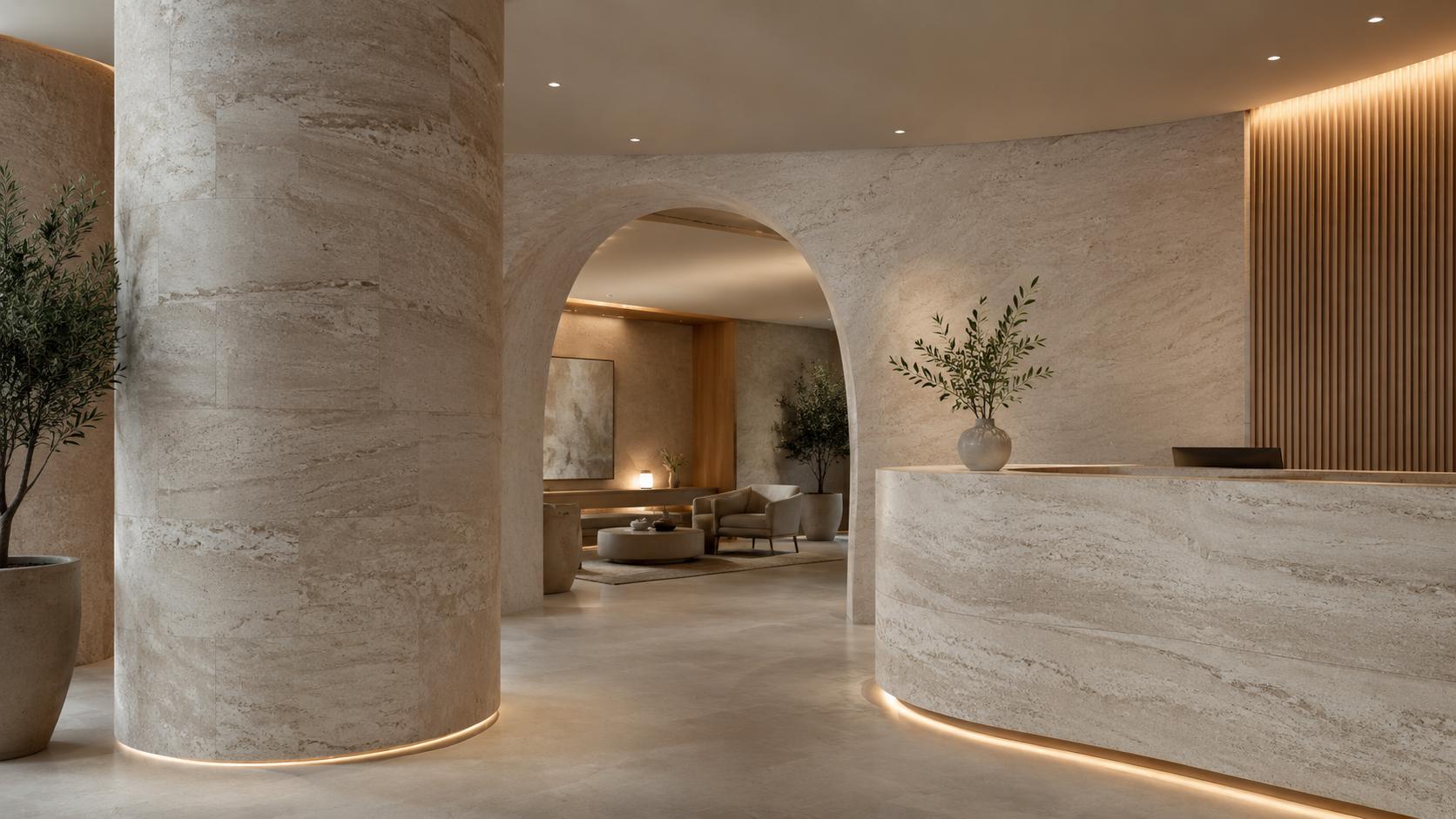
A reception desk is not just a working table. It is the first physical touchpoint between a visitor and a brand. In a hotel, it affects how guests feel at check-in. In an office, it sets the tone before a meeting begins. In a showroom, salon or clinic, it tells customers whether the space feels careful, premium and well managed.
A curved reception desk often feels more welcoming than a sharp rectangular counter. But covering that curve with stone can be difficult. A flexible stone reception desk gives designers a practical way to create a stone-look front face without using heavy slabs on every vertical surface.
Commercial Spaces That Benefit Most
Flexible stone reception desk cladding works well in:
- Hotel lobbies with rounded or semi-circular check-in counters
- Office reception areas that need a natural but professional look
- Real estate sales centers with feature counters and display walls
- Cafes, salons and spas that want warm stone texture
- Building material showrooms where the counter itself can show material quality
For high-traffic interiors, the lower part of the desk should be planned carefully. Corners, kick areas and front panels need clean bonding and suitable finishing. Where luggage, shoes or cleaning tools may touch the surface, designers should consider edge protection and proper maintenance rules.
Installation Details That Decide the Final Result
Flexible stone is easier to handle than heavy slabs, but it still needs proper installation. The final look depends on surface preparation, sheet layout, adhesive choice and pressure during bonding. Curved surfaces leave little room for careless work.
Check the Base Surface First
The base should be dry, clean, stable and free from dust, oil or loose paint. On a round column, even a small bump can affect how the sheet sits. On an arch, weak plaster or uneven edges may lead to poor bonding. For reception desks, the substrate should be firm enough to avoid movement after installation.
Concrete, cement board, gypsum board, wood board and other surfaces may need different treatment. When the project includes outdoor columns or semi-outdoor entrances, moisture control and weather exposure should be reviewed before installation.
Plan the Seams Before Cutting
Seam planning is more important on curves than on flat walls. On round columns, place the main seam away from the front viewing angle. On arches, keep joints balanced so the curve looks natural. On reception desks, avoid placing seams right at the most visible center point unless the design uses them intentionally.
A small sample test is useful before bulk installation. It helps confirm bending behavior, adhesive performance and color matching under site lighting.
Match Texture Direction Across Features
Stone textures have direction. When flexible stone veneer is used across columns, arches and nearby walls, the grain direction should be planned as part of the design. Random direction changes can make the surface look less refined.
Texture Choices for Different Design Styles
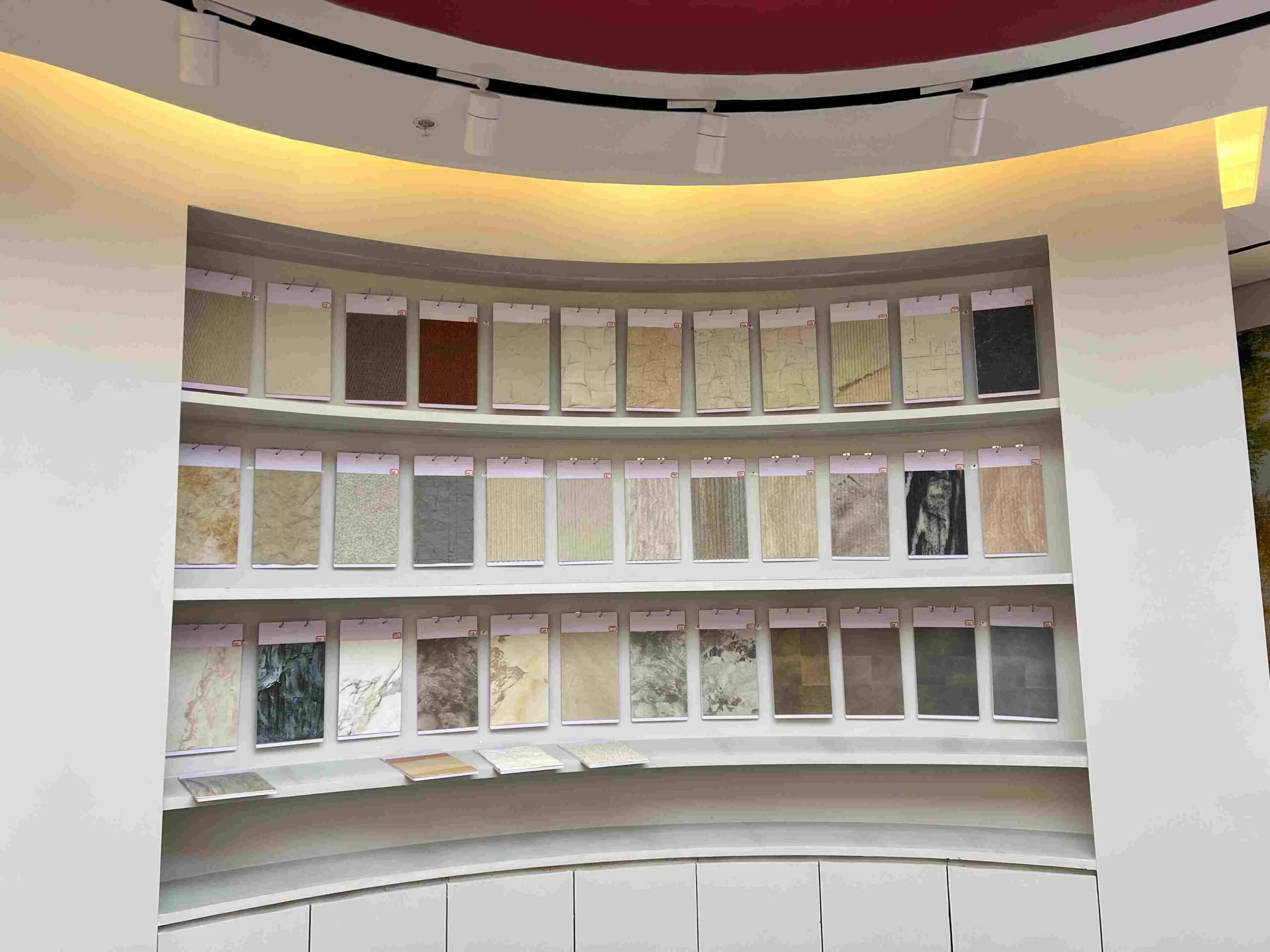
The right texture depends on the mood of the space, lighting and surrounding materials. A hotel lobby with warm lighting may need a softer stone tone. A modern office may need a clean grey finish. A villa entrance may look better with a natural beige or sandstone effect.
| Design setting | Suitable flexible stone texture | Visual effect |
|---|---|---|
| Hotel lobby columns | Travertine or sandstone look | Warm, calm and premium |
| Office reception desk | Grey slate or cement style | Clean, modern and professional |
| Villa arches | Light beige stone texture | Soft, natural and welcoming |
| Cafe counter | Warm sandstone texture | Relaxed and inviting |
| Retail feature area | Deeper stone grain | Stronger display impact |
Good lighting can make the texture more visible. Wall washers, side lighting and hidden LED strips can create soft shadows on stone-look surfaces, especially around arches and reception counters.
Procurement Points for Contractors and Designers
For project buyers, flexible stone selection should go beyond color. The material must fit the surface shape, installation area, schedule and long-term use.
Before placing a bulk order, project teams should check:
- Sample texture and color under real site lighting
- Sheet size and thickness for the planned surface
- Indoor or outdoor application conditions
- Fireproof, waterproof and maintenance needs
- Batch color consistency for large areas
- Packaging, delivery time and replacement allowance
- Installation guidance for curves, corners and seams
For columns and arches, it is also helpful to provide the supplier with drawings, photos or measurements. Column diameter, arch width, curve radius and desk shape can all affect sheet layout and quantity.
Foshan Sincere Building Materials Co., Ltd. as a Flexible Stone Supplier
Foshan Sincere Building Materials Co., Ltd. was established in 2007 and works with indoor and outdoor wall and floor building materials, including soft stone, wall panels, tiles and SPC flooring. With 18 years of building material sales experience and cooperation across 98 countries, the company serves project buyers, contractors, distributors and design-related customers in markets such as South America, Europe, Southeast Asia, the Middle East and Africa.
As a flexible stone supplier, Sincere supports project needs through lightweight stone-look materials, diverse colors and personalized customization. Its flexible stone products are designed for exterior and interior wall use, with fireproof and waterproof features. For curved interior features such as columns, arches and reception desks, this product range gives buyers a practical material option when they need a natural surface effect without the heavy load and complex handling of traditional stone.
Conclusion
Flexible stone veneer is an ideal material for curved interior design features as it is able to address a very real construction problem. Rigid natural stone is difficult to cut and install to features such as columns. Flexible stone’s features allow for smooth, clean curves, invisible seams and also offers greater ease of installation arches and even reception desks that are curved in nature. Lightweight flexible stone veneer is perfect for saving time on site for what is often a complex renovation. The resulting interior design feature will have a quality finished look and ensure that your commercial or residential space looks its very best.
Early planning is key when designing hotels, villas, offices, restaurants, hair salons and showrooms, as this is when the most important details for flexible stone are considered. When applied correctly these aspects of flexible stone can turn a structural element. The right texture, adequate bending radius, a proper surface and careful placement of the seam are the into a design feature.
FAQs
Can flexible stone be used on round columns?
Yes. Flexible stone can be used on round columns when the base is stable, clean and properly prepared. For a better result, the installer should check the column diameter, plan the seam position and test the bending area before full installation.
Is flexible stone suitable for arches?
Yes. Flexible stone for arches is suitable for doorway arches, corridor arches, wall niches and decorative openings. It helps create a smoother stone-look surface than many rigid materials, especially when the curve and joints are planned before cutting.
Can flexible stone be used for a reception desk?
Yes. A flexible stone reception desk is suitable for hotels, offices, showrooms, cafes, salons and other commercial interiors. It is especially useful for curved or semi-circular counters where heavy stone slabs are harder to apply.
How do you choose the right flexible stone texture?
Choose the texture based on the project style and lighting. Travertine and sandstone looks work well in warm hotel or villa interiors, while slate and cement-style textures suit modern offices, retail areas and clean reception spaces.


