
Beyond Indoor WPC Flooring’s Potential in Outdoor and Transitional Spaces
2026-02-19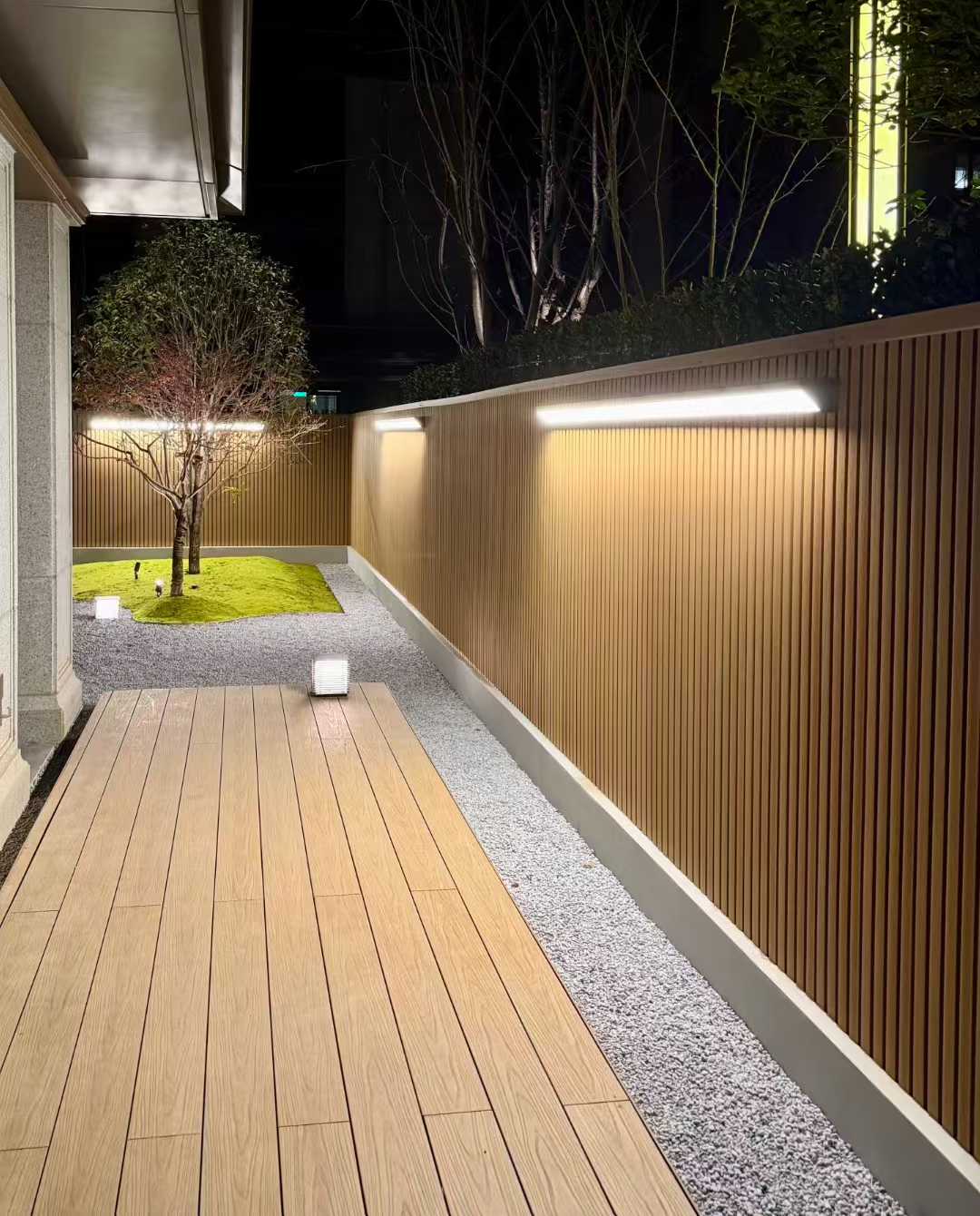
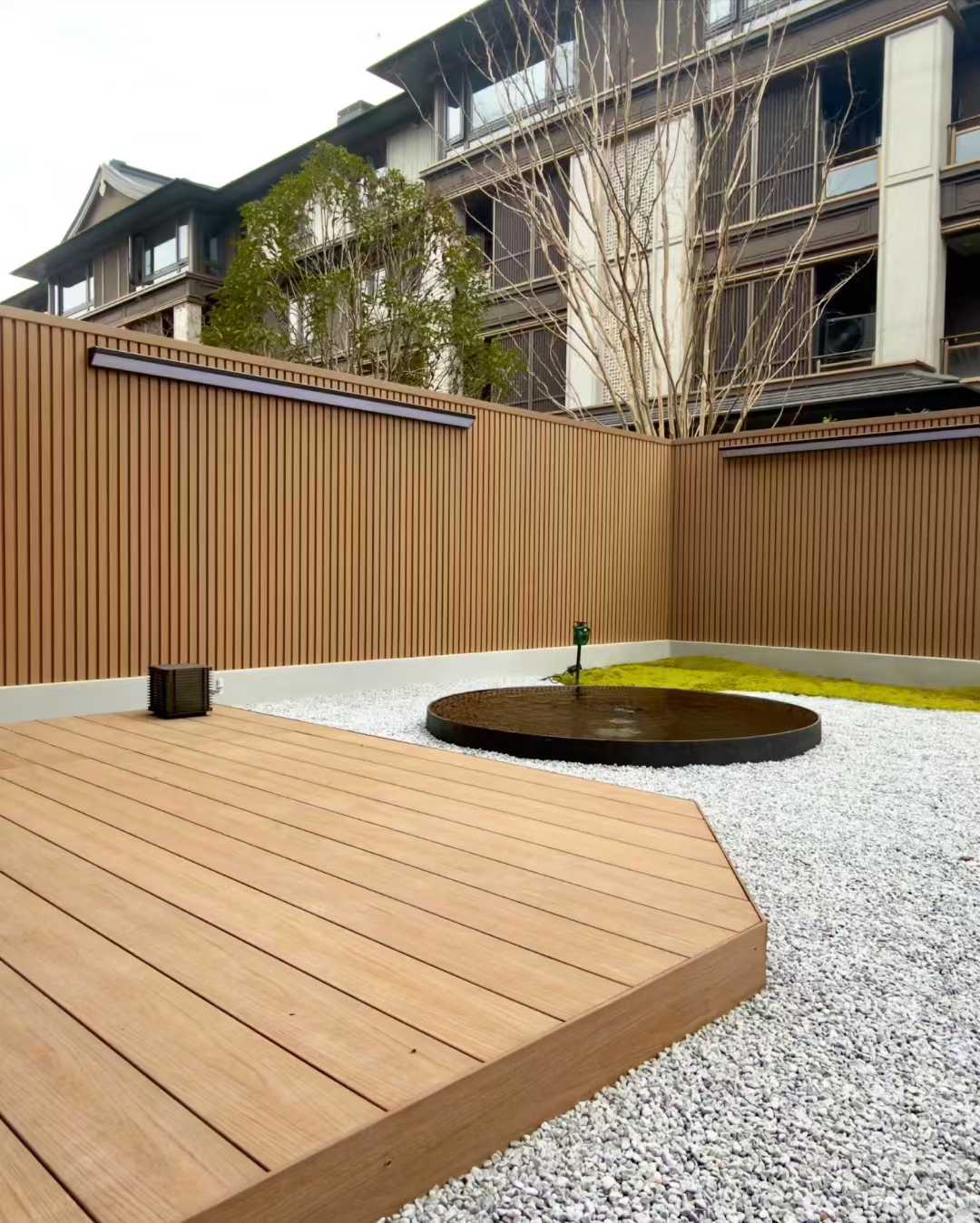
Ever pictured your flooring heading outside? WPC flooring—that sturdy mix of wood and plastic—works way beyond cozy indoor rooms now. Imagine a backyard deck standing strong through rain, blazing sun, and constant footsteps. No fading. No splintering. Or think about a porch that flows smoothly from your home’s inside feel to the fresh air outside. That’s the real draw here. If you’re fixing up a patio, refreshing a balcony, or simply hunting for tough, good-looking options that hold up, keep reading. We’ll look at how WPC floor performs in places where regular materials just can’t keep up.
Understanding WPC Flooring Basics
Let’s start simple. What exactly is WPC floor? It stands for Wood Plastic Composite. People make it from wood fibers blended with thermoplastics, and quite often those plastics come recycled. The result? Boards that capture the warm, natural look of real wood. Yet they carry the toughness of plastic.
Unlike straight wood decks that bend, swell, or rot over time, WPC handles things differently. The wood fibers bring that authentic grain and soft feel under bare feet—no sharp edges like some metal options. The plastic seals everything tight against water and bugs.
Many versions include UV blockers too. Those help stop sun damage. Colors stay bright longer. Folks in wet areas love it. They skip the yearly staining hassle altogether.
One important note: quality varies. Go for higher-density cores. They resist impacts better. In outdoor spots, that means dealing with kid toys, heavy grills, or party crowds without dings.
Durability That Handles the Outdoors
Outdoor conditions hit hard. Scorching heat one day. Freezing cold the next. Pouring rain for weeks. Still, WPC floor stands tall. Its big strength? Water resistance. Real wood soaks moisture right up. It swells. It cracks. WPC barely takes any in. Some types absorb under 1% even after sitting in water for days.
Picture a family up in a rainy spot like Seattle. They ditched their aging wood deck for WPC. Two years later? No mold. No slick surfaces. The textured top stays grippy when wet. That’s safer for everyone.
In hotter places, like down in Texas backyards, it doesn’t bake your feet like stone or tile. Walk barefoot comfortably.
Fade resistance matters too. Good WPC holds pigments tight against UV. Pros in the field say colors keep about 90% of their original look after five years out in the elements. That’s a game-changer. No frequent touch-ups needed.
- Weatherproof perks: Fights off rot, insects, and mildew—the usual outdoor troublemakers.
- Strength under pressure: Holds heavy furniture or big groups without bending.
- Longevity boost: Plenty carry 15-year warranties, beating basic composites easily.
Low-Maintenance Appeal for Busy Lives
Nobody wants endless chores. WPC flooring keeps things simple. Sweep it. Hose it down. Done. No sealing. No painting. Compare that to wood decks demanding annual treatments. Those eat up weekends.
Think about summer cookouts. Ketchup drips. Wine spills. No problem. Wipe it away fast. Stains don’t sink in like on absorbent surfaces. A contractor once told me about a client with a poolside deck. Through nonstop parties, it stayed clean. Just soap and water. Quick and easy.
Transitional areas shine here too—like covered patios connecting house to yard. Mud tracks in from shoes. WPC shrugs it off. It cleans fast. Constant traffic doesn’t wear it down much.
Eco-Friendly Edge in Modern Builds
These days, going green counts. WPC floor often pulls from recycled stuff—used plastics and reclaimed wood bits. That keeps waste out of landfills. Some reach 95% recycled content, according to reports.
It’s more than buzzwords. Urban builders pick it for lower impact. No fresh trees cut. Sustainable all around. When the boards wear out eventually, many recycle again. Homeowners wanting to help the planet find it fits perfectly.
Shining in Transitional Zones
Transitional spots sit right in the middle. Porches. Entryways. Sunrooms. They mix indoor comfort with outdoor exposure. WPC fits naturally.
Take a front porch. It catches weather but links to your home’s style. WPC’s wood-like look blends with inside floors. The shift feels smooth. No awkward jump from laminate to concrete.
High-rise balconies face wind and tight space. WPC stays light yet solid. Click systems make setup fast. A Chicago apartment owner turned a breezy balcony into a cozy hangout with it. Held against gusts. Non-slip top prevented slips in snow or rain.
Mudrooms work great too. Kids stomp in muddy from play. WPC takes the mess. Cleans quick. Doesn’t trap germs like carpet.
Here’s a straightforward comparison:
| Feature | WPC Flooring | Traditional Wood | Concrete/Tile |
| Water Resistance | High – minimal absorption | Low – prone to rot | High, but can crack |
| Maintenance | Low – hose and wipe | High – stain/seal annually | Medium – grout cleaning |
| Aesthetic Appeal | Wood-like, customizable colors | Natural, but fades | Industrial, limited options |
| Installation | Easy click-lock | Labor-intensive | Messy, requires pros |
| Cost Over Time | Moderate upfront, low upkeep | Low upfront, high maintenance | High upfront, durable |
Real-World Wins and Tips
Real stories show the proof. A Florida coastal resort redid boardwalks with WPC floor. Salt air didn’t hurt it. Heavy tourist steps? No issue. They cut maintenance costs by about 30% each year.
Another case: a suburban family extended their kitchen to the backyard. They chose WPC in a warm teak tone. Now gatherings flow outside effortlessly, rain or shine.
Installers share handy tips. Always leave small gaps for expansion when temps swing. In transitional spots, line up grains for that seamless appearance. Check local rules—some areas want fire-rated types near houses.
Airflow helps too. Under decks, keep space open. It stops moisture buildup. Simple steps like that stretch lifespan further.
Introducing Foshan Sincere Building Materials Co., Ltd.
As a leading supplier of wall and floor building materials, Foshan Sincere Building Materials Co., Ltd. stands out for its commitment to quality and innovation. Based in Foshan, China, the company specializes in durable solutions like ceramic tiles, panels, and especially WPC flooring tailored for diverse needs. With years in the industry, Sincere focuses on products that blend functionality with style, helping builders and homeowners create spaces that endure. Their WPC options emphasize reliability, from raw material selection to final finishes, making them a go-to for projects big and small.
Conclusion
All in all, WPC flooring really opens up possibilities. It takes outdoor and transitional areas to a new level—tough, attractive, and simple to enjoy. This isn’t some passing fad. It’s a solid choice for today’s way of living. Whether facing harsh weather on a deck or easing that indoor-outdoor shift, WPC delivers. Thinking about trying it? It could change how you enjoy your space completely.
FAQs
What makes WPC floor ideal for outdoor decks?
WPC floor shines on decks. It mixes wood fibers and plastics perfectly. That fights water, sun rays, and daily wear. Host cookouts without fretting over splinters or dull colors. It’s made for real-life use.
Can WPC floor handle heavy traffic in transitional entryways?
Absolutely. In entryways, WPC floor manages mud, moisture, and footsteps with ease. Its dense core prevents dents, and quick clean-ups keep it looking sharp, perfect for busy households.
How does WPC floor compare to wood for balcony use?
Compared to wood, WPC floor needs less upkeep and lasts longer in exposed balconies. No rotting or warping, plus eco-friendly materials – a win for small spaces facing wind and sun.
Is installing WPC floor in porches straightforward?
Yes, most WPC floor systems use click-lock designs, making porch installs quick for DIYers or pros.
What’s the lifespan of WPC floor in outdoor settings?
With proper care, WPC floor can last 15 years or more outdoors. Factors like quality and ventilation play in, but it’s far outpacing traditional options in durability tests.


