
Assessing the Durability and Performance of Glazed Tiles
2026-01-29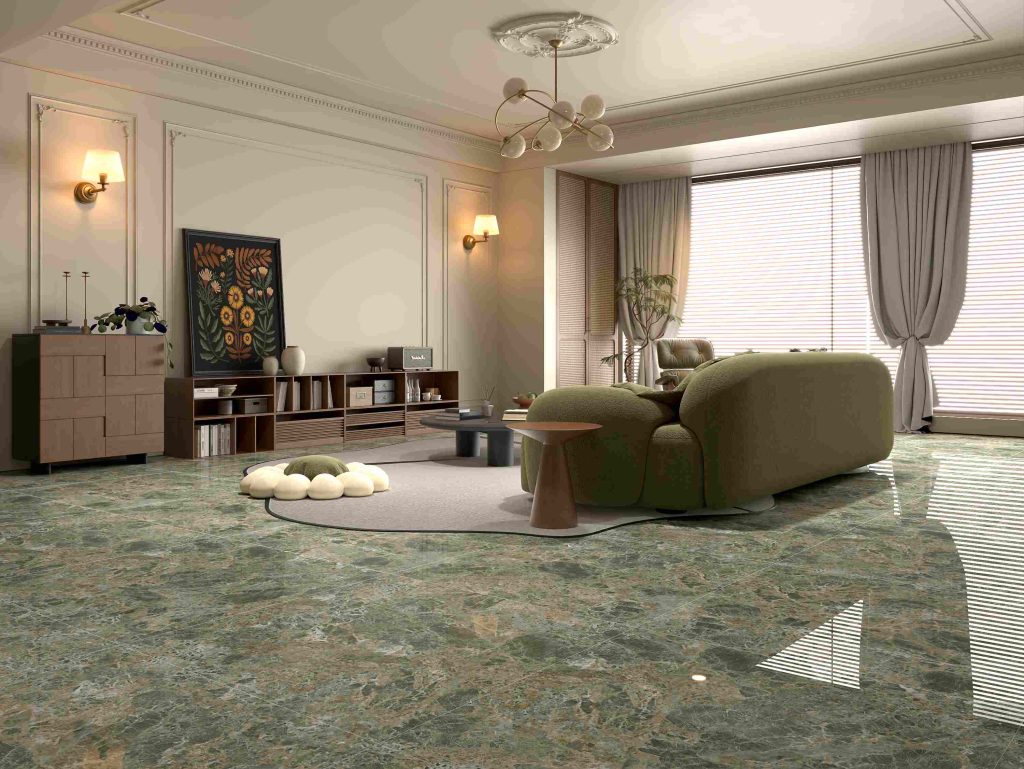
Glazed tiles are often used in building projects. People like them for their strength, good looks, and simple care. When picking floors or walls for homes or shops, glazed tiles stand out. But choosing the right glazed tile means looking at things like how well they handle wear, water, stains, and slips. This piece gives a close look at these traits. It also compares glazed tiles with other floors, like polished tiles, matte tiles, and antique tiles.
What Makes Glazed Tiles Stand Out?
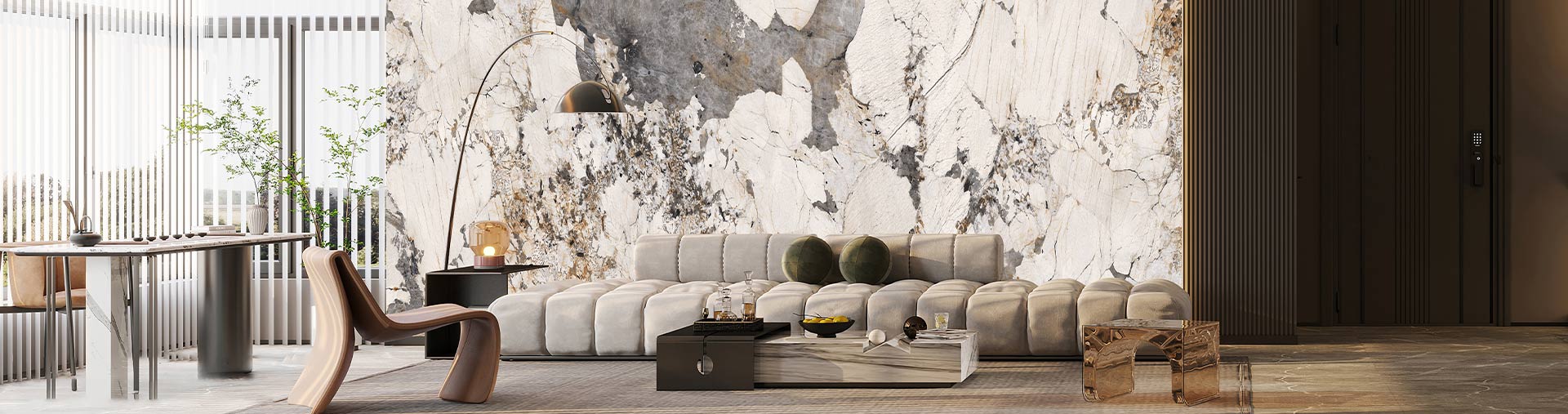
Glazed tiles work well for inside designs. You see them in homes and businesses. Makers add a glass-like coat to ceramic or porcelain tiles. Then they heat it in an oven. This creates a shiny, flat top. The coat boosts the tile’s style. It also adds guards that make it work better and last longer.
If you think about glazed tiles for your job, know how they stack up against other floors. Think about polished tiles, matte tiles, and antique-style tiles. Key points are wear strength, water guard, stain block, and slip stop. These help pick the best tile for your spot.
Wear Resistance: How Glazed Tiles Measure Up
Wear resistance means how a tile holds up to steps, rubs, and hits. In busy spots like living rooms, kitchens, and shops, this matters a lot.
Glazed tiles fight wear well. Their hard, flat top helps. The coat shields from marks and scrapes. So they stay fresh longer. This helps in places with lots of feet or moving stuff.
Polished Tiles vs. Glazed Tiles
Polished tiles last okay too. But they show damage more in heavy use. Their shiny top gets scratched easier than glazed tiles. Over time, this hurts their look.
Matte Tiles vs. Glazed Tiles
Matte tiles hide scratches better. But they lack the bright shine of glazed tiles. They fit okay for normal traffic. Yet glazed tiles give stronger shield where style and long life count most.
Antique Tiles vs. Glazed Tiles
Antique-style tiles have a old, rough charm. But they miss the high shine and flat feel of glazed tiles. Antique-style tiles are not as bright as glazed tiles, and can sometimes make the interior of a room appear rather dim.
Water Resistance: The Protective Qualities of Glazed Tiles
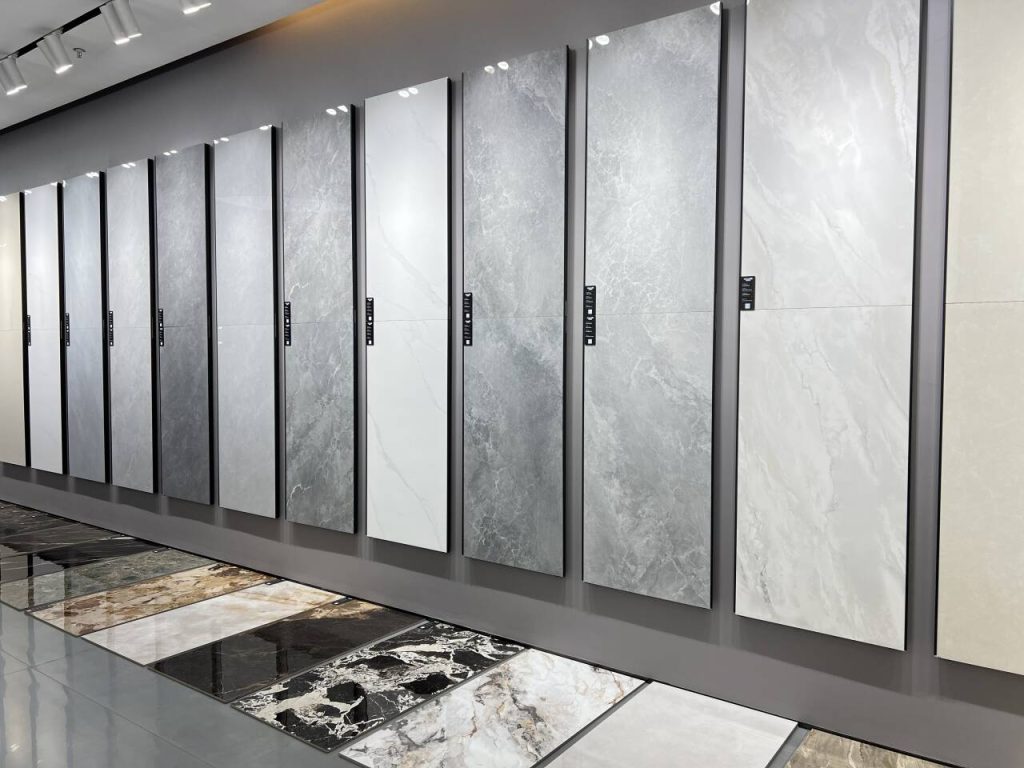
Water resistance is key for picks in wet spots. Think bathrooms, kitchens, and doors. Glazed tiles block water great. Their coat has no holes. So water can’t get in. This makes them good for places with lots of wet.
Polished Tiles vs. Glazed Tiles
Polished tiles stop water some. Polished tiles are easily stained: the tiny pores on the surface easily absorb contaminants such as ink and tea, leading to staining. Glazed tiles guard water better overall. So they suit baths and kitchens more.
Matte Tiles vs. Glazed Tiles
Matte tiles resist water a bit. But their bumpy top holds drops longer than glazed tiles. You might clean more. And damage from water could happen over time. Glazed tiles are smooth. Water slides off easy. They clean quick too.
Antique Tiles vs. Glazed Tiles
Antique-style tiles don’t always block water like glazed tiles. Some have holes. Water gets in simple. Glazed tiles make a strong wall against wet. Your floors and walls stay dry and safe.
Stain Resistance: Keeping Your Tiles Clean and Pristine
Stain resistance helps a lot in busy spots. Like kitchens and eating rooms. Glazed tiles fight stains strong. Their coat stops drinks and food from soaking in.
Polished Tiles vs. Glazed Tiles
Polished tiles shine bright. They show stains clear. Like prints from fingers, water marks, and food spots. They block most stains. But the shine makes dirt stand out. Glazed tiles have a flat, smooth top. They hide stains better. And clean up easy.
Matte Tiles vs. Glazed Tiles
Matte tiles block stains good. Their bumpy top stops pools. But dirt can stick in lines. You clean often to keep them nice. Glazed tiles are smooth with no holes. Wiping is simple. They need less work for stain stop.
Antique Tiles vs. Glazed Tiles
Antique tiles get stains easier. They have holes and bumps. Their fancy patterns look nice. But cleaning is hard. Glazed tiles clean fast and block stains more. They fit better for busy spots.
Slip Resistance: Ensuring Safety in Wet Areas
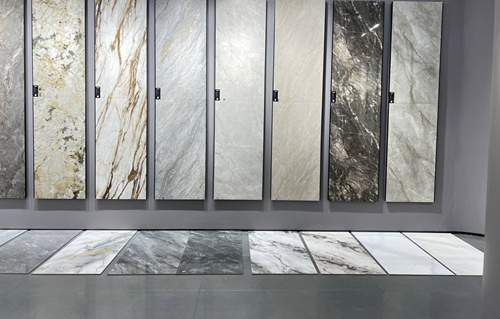
Slip resistance matters in wet places. Like baths, kitchens, and outside. Glazed tiles are smooth. They block water well. But check their grip when wet.
Polished Tiles vs. Glazed Tiles
Polished tiles have a flat top. They get slick with water. In spots where slips worry you, like baths and kitchens, they might not work best. Glazed tiles, especially bumpy ones, grip better. This cuts accident risk.
Matte Tiles vs. Glazed Tiles
Matte tiles grip top compared to polished or glazed tiles. Their rough top helps. So people pick them for wet spots where safe steps count. But they might not look as sharp as glazed tiles. Glazed ones give a clean, new style.
Antique Tiles vs. Glazed Tiles
Antique-style tiles often have rough, bumpy tops. They grip better than glazed tiles. But the odd shape makes cleaning tough. Glazed tiles with grip coats offer safe steps. And they clean easy too.
Meet Foshan Sincere Building Materials Co., Ltd.
Foshan Sincere Building Materials Co., Ltd. makes top glazed tiles. They fit homes and shops. With focus on quality, they give strong, pretty, and useful picks. These match many styles and needs. If you want tiles for busy spots or wet baths, their glazed tiles mix work and look just right.
Conclusion
Picking right tiles needs thought on many things. Like wear fight, water block, stain stop, and slip grip. Glazed tiles shine in lots of ways. They last long, look nice, and clean simple. Compared to polished, matte, and antique tiles, glazed ones offer excellent resistance to wear and moisture. They also give a shiny, flat finish that boosts any room’s style.
FAQs
1. What makes glazed tiles more resistant to wear compared to polished tiles?
Glazed tiles have a hard, smooth surface that provides superior protection against scratches and abrasions. This makes them ideal for high-traffic areas.
2. Can glazed tiles be used in bathrooms or other moisture-prone areas?
Yes, glazed tiles are highly water-resistant. This makes them perfect for walls exposed to moisture, such as bathrooms, kitchens, and laundry rooms.
3. How do glazed tiles compare to matte tiles in terms of stain resistance?
Glazed tiles are easier to clean and less likely to show stains compared to matte tiles. Matte ones can trap dirt in their textured surface.
4. How do I maintain the shine and appearance of my glazed tiles?
To maintain the shine and appearance of glazed tiles, regular cleaning with a mild detergent and a soft cloth is recommended. Avoid harsh chemicals that could damage the glaze.


