

How to Clean and Maintain WPC Outdoor Fences: A Step-by-Step Guide
2026-11-12WPC outdoor fence is the type of fence a private house owner puts at home and almost forgets. The full meaning of WPC is Wood-Plastic Composite, made from wood flour and polymer moulded to a stable profile. Unlike wooden fences, these do not need regular paint/stain/sealant cycles. The maintenance is minimal, all you need to do is wash it every year or rinse and inspect. This manual establishes a dry dusting to full wash procedure and integrates the necessary modifications for coastal, shaded & freeze-thaw environments in your climatic zone.
Why WPC Fence Upkeep Is Shorter Than Wood’s
Timber fencing is not just a structure but furthermore, needs treatment. Timber will also absorb water and move with the seasons so its finish is one of the first things to fail. Hence, you need to keep staining or sealing it from time to time.
WPC boards work differently. The profile is an extruded water-resistant wood flour–plastic composite. One of the many benefits is no peeling paint, raised grain or repeated painting or sealing. What is left over then is basically surface debris — from dirt and leaf litter, rain stains to a streak of algae or mildew where shaded and damp conditions endure.

It may be useful as a garden partition and simultaneously a long run in a commercial or residential complex — the decision is yours. They are co-extruded WPC fence boards (the line is now producing boards in sizes of 90×22.5 mm, 120×25.5 mm, 154×22.5 mm, and 183×25.5 mm, in frames about 1.8 m wide and either 1.8 m or 2.5 m high) but whatever profile you put into service the cleaning methods apply as well.
What You Need Before You Start
The whole routine runs on household items, which is part of why WPC is specified where the maintenance load has to stay low:
– A garden hose with a spray nozzle, or a bucket of water when the site has no easy hose access.
– A soft brush or a sponge; for the grooves and between panels, a soft-bristle detailing brush.
– A mild liquid detergent – a few drops of the standard household type is enough for a bucket. No solvent, no strong acid or alkali, and no abrasive pads.
– A soft cloth or a microfibre mop head for wiping and drying the lower sections.
The only thing to avoid is anything that scratches the cap layer: steel wool, stiff wire brushes and harsh solvents. If a method would damage a painted surface, it will damage a WPC cap.
Step-by-Step: The Standard Clean
Step 1 – Dry dust first. The ideal technique is to sweep or blow dust, pollen and leaf litter off the area before wetting it — cleaning while wet just smears these things into the soil (and can make washing more than twice as difficult). Choose a time when winds and debris are less likely or you will simply have more cleaning work later.
Step 2 – Rinsing: Use plain water. The top to bottom cleaning should be practiced so that dirty water passes down into those areas which you have not cleaned yet. The regular rinse removes most dust and rain spots from any panel.
Step 3 — Clean in the areas where rinsing simply is not sufficient. Prepare a mixture of water and mild detergent, then use your soft-bristle brush with slight pressure for vertical washing over the panels. Clean the grooves on grooved boards as well (and use a detailing brush for divider rails because that’s where most of the dust/moisture builds up first).
Step 4 – Rinse again and let it dry naturally. The detergent should be rinsed out completely, as remnants stuck hidden in the grooves will hold moisture and mark the bottom edge. If water builds up against the ground line, clean off the base area and allow it to dry.
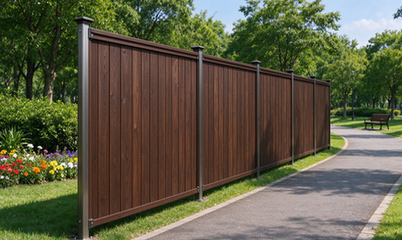
Mould, Algae and Stubborn Spots
At the bottom of shaded, north-facing fence sections where moisture does not evaporate well, green or grey growth appears. Light growth is typically removed easily using a gentle detergent. To take away tough stains, apply the soapy water and allow it to sit for a few minutes on the spot before lightly scrubbing with a soft-bristle brush then rinsing. If it looks more resistant then repeat the wash rather than using anything stronger.
You also might have some pigeon poop, or simply lichen and even one more mark from its building phase at the base; these can leave challenging stains and you can reuse that same method. Soak briefly in warm soapy water, then scrub with a soft-bristle brush and rinse thoroughly. Keep with the correct touch — keep away from scratch pads that create small scratches collecting grime afterward.
Seasonal Checks by Environment
Coastal sites. Salt air deposits cover the surface during the off-season and dull it. Even just rinsing off with plain water after the season helps remove those salts that could otherwise sit on the profile for months.
Shaded and low-lying sections. These are the most mould and algae-prone areas. Once the wet season finishes, walk your fence line and clean up again at ground level; ensure that no water sits stagnant around the base and no panels touch soil directly.
Freeze-thaw climates. With fall just around the corner, walk down that fence line making sure everything is in order with posts anchored firmly and panels adequately supported with spacers / fasteners. Before temperatures drop, sweep away leaves and debris that may impede drainage to prevent standing water from collecting and freezing at the baseline; double-check following a hard frost to determine if any panels have slid.
Don’t skip the structure check. Even after minimal maintenance on the panels, the fence continues to depend upon its hardware (posts, rails, spacers and post covers). Doing a quick ten-minute inspection of the frame every year can help in keeping it secure.
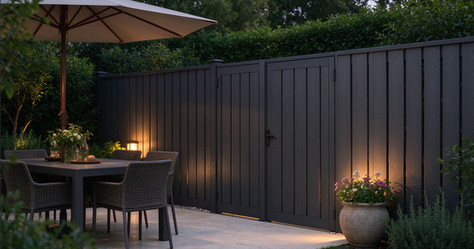
If You Need Replacements or an Extra Run
Basic upkeep can see fencing serve you for years, with the potential need to replace a damaged panel or install an additional run. With SINCERE you can then just let us know the generation of board fitted (with associated profile and colour) as well as which frame components were used – posts, rails, spacers and brackets for attaching covers. If there is a reorder of the fence, confirm minimum order quantities with the supplier. The colour of outdoor WPC boards from one batch may be a bit different when compared with an older run that has already been installed. Check appearance before acceptance. For instance, if the site contains WPC outdoor decking then similar batch-matching logic applies: check any replacement boards against those already installed in daylight to ensure that they match.
Conclusion
Since the cap layer does a good job of preserving colours as well (in addition to how effective WPC boards are at resisting water damage), time spent maintaining WPC fencing is little. Sweep off dry dirt, wash with clean water from top to bottom and lightly scrub stains away using a diluted mild detergent with a soft-bristle brush. Inspect the structure for roughly 10 minutes each year. Keep it that way, and you could be using the fence for years without having to paint or seal it regularly. The WPC outdoor fences product page gives a visualisation of what the end result might look like, neat durable coastal fencing panels in a garden setting, and can be used as a reference for how clean they should look.
FAQ
Q: How often should a WPC fence be cleaned?
In most instances you can typically clean one or two times a year but more frequent spot cleaning may be required where fences face dusty roads and dense planting areas, as well as salt air. General rule: If you can see dirt or gunk, clean up whenever needed (no need to follow the calendar — a WPC surface just looks tired when covered in dirt).
Q: Can a pressure washer be used on WPC fence panels?
Yes — as long as you are careful within the limits laid down by its manufacturer. Use a low-pressure, wide-fan setting and hold the nozzle at the recommended distance away from your surface while keeping it moving (we also don’t want to blast dirt into any grooves either; plus you wouldn’t like holding that focused stream still leaving little marks all over your cap). That said, though stronger cleaning is possible a hose and soft wash brush can do the same job with less risk (and therefore better for routine maintenance).
Q: How do you remove mould or algae from the panels?
You can wash it like you normally do and then apply mild detergent to the stain. Let it sit there for two or three minutes, brush gently with a soft-bristle brush and rinse off again. Be gentle when cleaning: never use aggressive tools or substances that can scratch the cap layer and check its base after every rainy season, as moisture and growth often gather there.
Q: Will the fence colour change over time?
WPC boards, particularly co-extruded ones, are designed to resist fading. However, slight colour changes may occur over time due to UV exposure and weathering. Boards from different production batches may also show small colour differences.


