
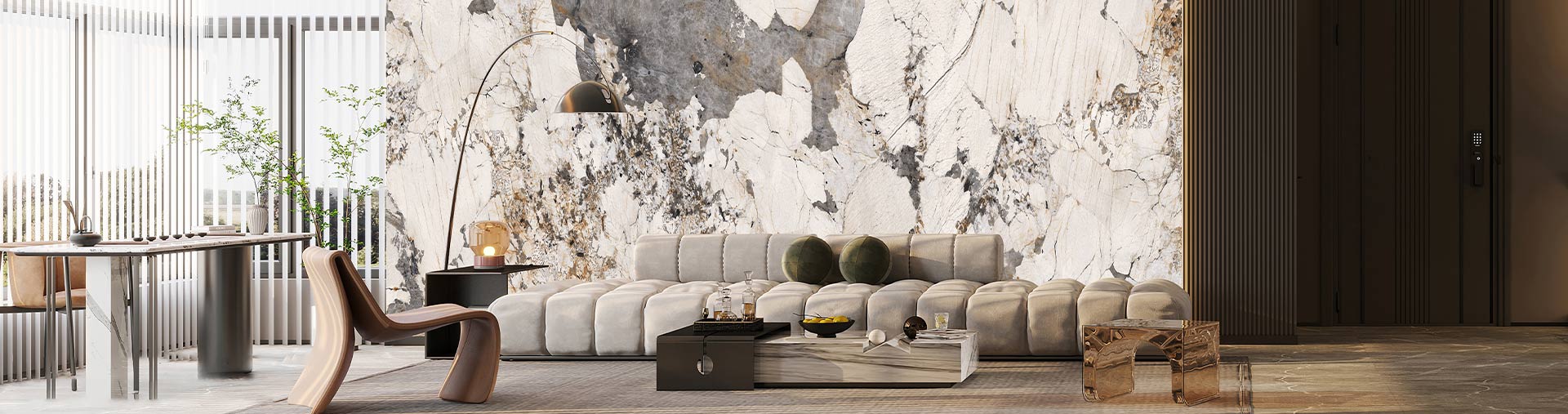
Flexible Stone for Walls, Patios, and Facades in Modern Outdoor Applications
2026-05-08
Flexible stone brings a big change in using natural materials for outdoor buildings. It offers a light, adjustable, and eco-friendly option instead of old heavy stone. This material copies the look of real quarried stone. At the same time, it makes setup easier and gives more design choices. These features have turned it into a key part in today’s building work, especially for walls, patios, and facades.
Defining Flexible Stone as a Building Material
Flexible stone sheets consist of a slim layer of real stone stuck to a bendable base like fiberglass or resin. This setup lets the sheet keep the true feel and shade of stone. Yet, it gains great bendiness. Regular stone slabs are heavy and stiff. In contrast, flexible stone is much slimmer, often just 1 to 3 mm thick. It also weighs far less than solid stone. This lower weight makes moving and fitting it simpler. Plus, it puts less strain on building frames.
For outdoor use, flexible stone shows strong traits like resistance to UV rays, water pushback, and steady behavior in heat changes. These qualities help it work well in different weather without breaking or peeling apart. As a result, it fits perfectly for outside wall covers, patio floors, and facade setups.
Flexible Stone in Modern Architectural Design
As green practices grew important in building design, flexible stone matched the need for smart-use materials. These cut down on mine waste and power use. Flexible stone lets the sheet keep the true feel and shade of stone. Yet, it gains great bendiness. Regular stone slabs are heavy and stiff. In contrast, flexible stone is much slimmer, often just 3 to 5 mm thick. It also weighs far less than solid stone.
In today’s building style, its bendiness aids free design ideas. For example, it works on rounded shapes, detailed designs, and smooth shifts from inside to outside areas. This skill for fresh ideas has widened style options in homes and business spots around the world.
In addition, for outdoor use, flexible stone shows strong traits like resistance to UV rays, water pushback, and steady behavior in heat changes. These qualities help it work well in different weather without breaking or peeling apart. Therefore, it is used in a variety of designs such as exterior wall cladding, terrace flooring, and building facades.
Why Is Flexible Stone Ideal for Outdoor Applications?
To see why it gains fans in outdoor setups, we need to look at its strong points in build quality and green perks. This helps explain its fit for such uses.
Mechanical Properties and Durability Factors
Flexible stone has good pull strength thanks to its mix of natural mineral powders, and polymers and additives are added. It handles wind force, heat growth, and freeze-melt shifts that happen outside. The material stays steady against UV light, so it does not lose color from long sun time. Also, it sticks well to bases like concrete, metal sheets, or wood treated for weather.
Sustainability and Environmental Impact
From a green view, flexible stone beats old mined panels in many ways. Raw material preparation and processing. Natural mineral powders are cleaned, dried, and ground to enhance product performance. (Main sources: selected clay (modified clay), stone powder, etc.) Ensure uniform and fine particles. Polymers and additives are added. (Polymers provide adhesion, flexibility, weather resistance, and water resistance. Additives improve processing performance and enhance final product properties such as fire resistance, antibacterial properties, and color stability). So, it uses way less raw stuff. Its light build cuts down on carbon from transport, unlike heavy granite or marble blocks. Many setup methods use glues without bad chemicals. These help keep air clean inside near walls or facades. Moreover, leftover bits can turn into small decor parts or mix fillers for reuse.
How Can Flexible Stone Be Applied on Walls?

Before putting flexible stone on straight surfaces like building fronts or yard walls, good prep work secures lasting results. Let’s explore the steps for this.
Surface Preparation and Installation Techniques for Vertical Applications
The base needs to be even and solid to hold the stick well. For outside jobs, using exterior-grade tile adhesive made for outdoor weather. Spread them smooth on the sheet’s back with tools like notched spreaders.
Aesthetic and Design Considerations for Wall Cladding
Designers pick from many feel options, from smooth sandstone to rough slate looks. These match the touch of real rock shapes. Pair it with lights like wall beams or up lights. Then, the surface depth stands out at night. Flexible stone covers boost home fronts for warm natural feel. It also suits business shells for sleek modern style.
How Can Facades Benefit from Flexible Stone Systems?

As front tech moves to better use and less weight, flexible stone fits right in. To connect ideas, consider its role in these advances.
Lightweight Cladding for Easier Facade Upgrades
Because flexible stone is thin and light, it can lower the dead load carried by exterior walls compared with conventional stone slabs. This helps during renovation work or on buildings where the supporting structure should not take extra weight. It can also be cut, moved, and bonded more easily on site, which may shorten installation steps and reduce the need for heavy mechanical fixing systems.
Improved Design Continuity on Complex Elevations
Facades often include corners, columns, curved walls, and transitions between materials. Flexible stone sheets can wrap these surfaces more smoothly than rigid stone panels. This helps maintain a continuous stone texture across complex elevations while giving architects more freedom to form modern, layered, or flowing exterior designs.
Long-Term Performance Considerations
Coats with UV blockers keep color bright for years of weather. Regular care means easy wash with soft soaps, no rough tools. The top stays low on pores. Tests to world rules check fire safety for outside shells in varied weather zones.
What Are the Design Flexibility and Customization Opportunities?
Flexible stone’s bend opens doors past flat jobs. This leads to fresh uses in design.
Creative Applications Beyond Conventional Use
Its curve skill lets it go on bent posts or art shapes where old slabs would break. Yard designers use it on bench walls or plant boxes. It blends into nearby patios or fronts in outdoor spots. Fix experts like it for old building updates. The light weight skips extra push on old brick bases.
Digital Fabrication and Surface Finishing Innovations
New machine cuts allow detailed shape work on thin sheets with exact fits for custom build details. Top treatments like shine or blast refine touch—from dull country looks to bright shine—based on style needs. New color mix methods let custom shades match brand or theme stories.
Future Trends in the Use of Flexible Stone for Outdoor Architecture
New ideas keep boosting this material’s place in build fields. Looking ahead shows exciting paths.
Technological Developments Influencing Material Performance
Recent advances in polymer engineering and surface coating technologies have improved the durability and weather resistance of modern materials. Enhanced formulations can better withstand bending stress, temperature changes, and long-term outdoor exposure, helping support longer service life in demanding environments.
At the same time, functional coating technologies have improved surface properties such as stain resistance and ease of cleaning. These coatings help reduce dust and dirt adhesion, making maintenance more efficient in practical applications.
In addition, heat-resistant and insulating material technologies are increasingly used to improve thermal stability in outdoor and industrial applications, contributing to more consistent performance under high-load conditions.
Market Outlook and Adoption Across Sectors
World focus on green building pushes more use in certs like LEED or BREEAM. These prize smart resource use. Pre-made build groups add ready panels with flexible stone covers. Their fast put-together pairs with top looks. This links work smarts with style wins in home groups, guest spots, and public builds.
About Foshan Sincere Building Materials Co., Ltd
Foshan Sincere Building Materials Co., Ltd stands out worldwide as a trusted seller of top flexible stone goods for outdoor uses like walls, patios, and facades. The firm blends cutting-edge make tech to keep even thickness and top finish. It holds firm green rules in all make steps. Their skill in tech aids designers with custom fixes for tough shapes in world markets.
Conclusion
Flexible stone changes how makers handle outside faces. It joins real material truth with today’s work traits like bend, strong hold, and green ways. Its range in straight cover setups, flat floor designs, and tricky front blends shows its big role in now building. This focuses on smart use without style loss.
FAQs
How long does flexible stone last outdoors?
High-quality flexible stone can last over 20 years when properly installed using recommended adhesives designed for UV resistance.
Can flexible stone be applied over existing tiles?
Yes, provided the underlying surface is stable, clean, and free from moisture issues; appropriate primers enhance adhesion between old tiles and new sheets.
Is flexible stone suitable for high-humidity environments?
Absolutely—it performs well in humid climates because its backing materials resist moisture absorption while maintaining strong bond integrity over time.


