
Exploring Outdoor Materials How WPC Flooring Redefines Eco-Friendly Design
2026-05-07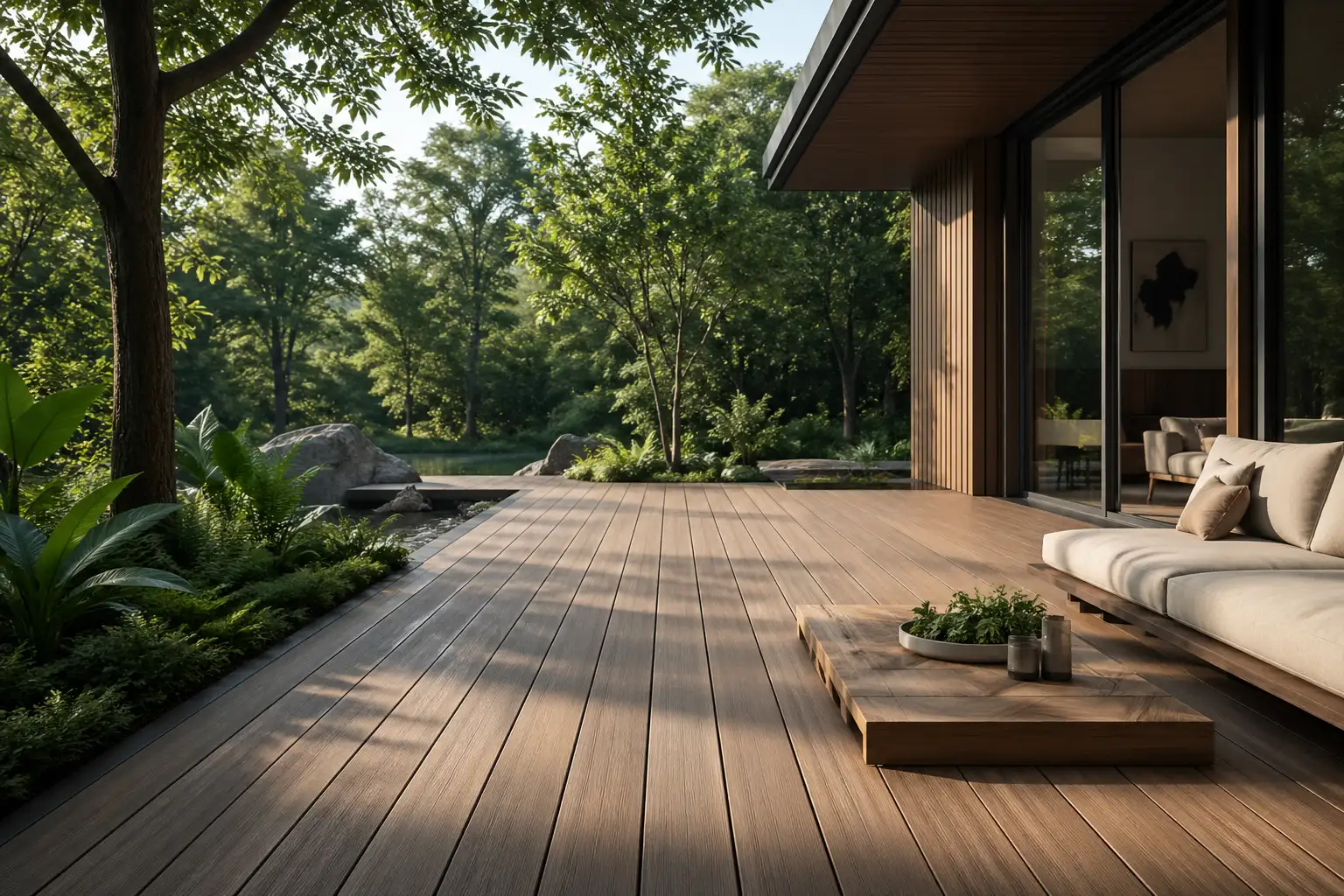
WPC flooring plays a vital role in green building designs. It works well for outside uses where strength and good looks matter a lot. This mixed material links real wood with man-made options. It gives a nature-friendly choice that fits current eco targets.
Composition and Structural Characteristics of WPC
WPC stands for Wood Plastic Composite. It mixes natural wood fibers with plastic polymers that can be heated and shaped. This blend forms a strong setup. It boosts toughness and lasting power. It also fights off issues like water and sun damage. Extra items such as sun blockers and mold fighters help its outside use. They cut down on color loss and germ buildup. So, the material keeps its shape and works well even in tough weather. This makes it great for decks, fences, and wall covers in projects.
Comparison Between WPC and Traditional Outdoor Materials
Solid wood can rot or bend when wet. But WPC fights off rot and bug harm thanks to its plastic base. When set against PVC or metal decking, it gives a cozier, more wood-like look. Plus, it needs less care. Its solid build handles heat and cold changes well. This brings steady results over time in outside spots. Traditional items might break down sooner there.
How Does WPC Flooring Contribute to Environmental Sustainability?
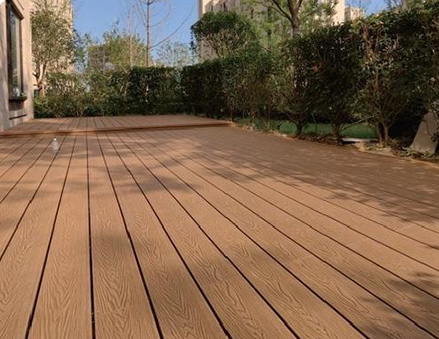
To connect these ideas, let’s look at how WPC helps the planet. Its green benefits come from where it gets its parts and how it’s made. These points make it a top pick among new outside materials for the environment.
Sustainable Raw Material Sourcing
WPC uses reused plastics along with saved wood fibers. This cuts the need for fresh supplies a great deal. Such a method backs the idea of reusing things in a loop. It turns old waste into useful build items. Also, it keeps plastic out of dumps. It reuses wood scraps from other fields too. In this way, making WPC lowers harm to nature and saves natural stuff.
Energy Efficiency in Production Processes
Makers use new pushing methods that save power in making.When compared to full fake items like PVC or aluminum decking, WPC takes less energy to create. This fact makes it a smart, power-saving pick in green build ways.
Why Is Durability Central to Eco-Friendly WPC Materials?
Now, we turn to why lasting power matters so much for green WPC. Strong build ties right into green goals. Items that last longer mean fewer swaps and less trash over their full life. WPC flooring shows this well with its solid form and easy care.
Weather Resistance and Structural Integrity
WPC holds its size steady in wet or hot-and-cold spots. These are things that often ruin real wood as time goes on. Its sun-proof layers stop surface wear and breakdown from light. The long use time not only saves money but also cuts harm to the earth. It does this by using fewer resources from often buying new ones.
Maintenance Requirements and Resource Efficiency
A big plus for WPC flooring is that it needs little upkeep. It skips the chemical coats or guards that wood often gets. Just wash it with soft soaps to keep it looking good. This avoids bad runoff into nature areas. That point is key in smart, earth-safe plans for outside items.
How Does WPC Support Design Flexibility in Sustainable Architecture?
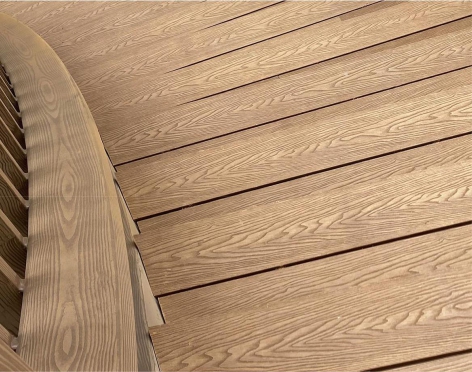
Next, think about how WPC aids creative choices in green designs. Past just how it works, WPC’s easy shaping makes it a top pick for builders. They want a mix of use and green ways in outside areas.
Customization Potential of WPC for Outdoor Applications
You can get WPC in many shades, feels, and shapes. It fits different build needs like deck boards, wall sheets, or fence parts. It can be formed into tricky shapes without losing strength. Finishes can look like real wood patterns. Yet, it stays even across setups. That’s hard to do with normal wood goods.
Harmonizing Functionality with Eco-Friendly Design Principles
WPC blends a wood-like look with green makeup. This helps nature-link design ideas that tie man-made spots to the outdoors. Such a match lets builders hit green rules and sight needs. It fits right in with other earth-friendly items in full yard plans.
How Does WPC Flooring Align with Green Building Certifications?
Building green rules now spot items like WPC for their role in smart builds. They use clear measures like reuse ability and emission checks. This ties into the next part on how it fits certs.
Contribution to LEED and Other Sustainability Frameworks
The reused parts in WPC help earn points in LEED for materials and resources. Also, its low bad-air output fits air quality rules. This applies even in half-shut outside spots like yards or decks. The strong build boosts life-check scores in cert programs. Those focus on long-term green results.
Compliance with Environmental Regulations and Industry Standards
Today’s makers follow world rules like RoHS and REACH for safe and reusable materials. Many plants run under ISO 14001 green management setups. These push steady better green ways. Outside checks add clearness to green claims. That’s vital for pros picking items in world markets.
What Are the Future Directions for Eco-Friendly Outdoor Material Innovation?
Looking ahead, new ideas keep growing WPC’s uses past old ways. This comes through better science and design mixes. It builds on its current strengths.
Technological Advancements Enhancing WPC Sustainability
Better fiber fixes boost stick between wood bits and plastic for stronger builds. This happens without adding weight or price. Smart extras now aid reuse without losing work power. They lead to full-loop making in building fields.
Expanding Applications Beyond Traditional Outdoor Flooring Uses
WPC’s flexible nature goes past decks to walls, city seats, shade frames, and mix yard builds for many uses in open areas. Blended mixes with other green items are rising. They fit many build spots pushed by world green buy rules for low-gas builds everywhere.
Foshan Sincere Building Materials Co., Ltd.: A Reliable Partner in Sustainable Solutions
Foshan Sincere Building Materials Co., Ltd. counts as a trusted seller of top WPC flooring. It offers fresh green fixes made for today’s outside works around the world. With new making tech and tight quality checks, the firm makes sure each item hits world green rules. It also brings great lasting power and nice looks for now’s build styles that focus on long earth care.
Conclusion
As world need rises for green outdoor materials, eco-friendly WPC flooring shines as a prime option. It mixes tech strength with earth care ideas. This runs from reused sources through smart making to long work life.
FAQs
1. Is WPC flooring suitable for all climates?
Yes, its mixed build keeps size steady under different heats and wet levels. So, it works in warm or mild weather spots the same.
2. How does maintenance compare between wood decking and WPC flooring?
WPC needs much less care. It skips sanding or coating like wood does. Just a simple rinse keeps it clean without strong cleaners.
3. Can old WPC products be recycled after use?
Yes, many makers have reuse plans. They let used boards turn into new mixed items. This backs loop economy aims well in build areas.


