
How to Prevent Common Issues with Outdoor WPC Flooring Overheating, Fading, Mold, and Slipping
2026-04-10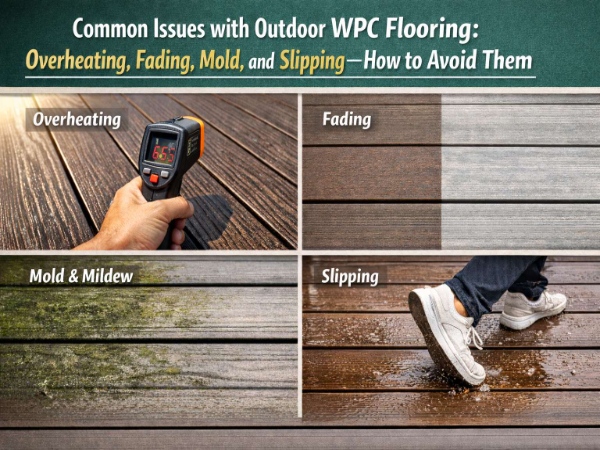
Wood Plastic Composite flooring works well for outdoor decks. People like it a lot because it lasts long and needs little care. It also looks a lot like real wood. Yet any material out in the weather can run into problems. These include getting too hot, losing color, growing mold, and becoming slippery. Such troubles can make your outdoor space look bad. They might even make it unsafe or shorten how long the deck lasts.
In this article we will look at these usual troubles. We will give you easy ways to fix them. You will learn what causes each issue. Then you will see simple steps to stop them before they start. When you know these things and take action, your WPC deck will stay strong and nice to look at for many years. This helps you enjoy your outdoor area without worry.
WPC Flooring Overheating: Causes and Prevention
Overheating is one of the most frequent issues with outdoor WPC flooring. On sunny summer days the surface can feel too warm to walk on comfortably. This heat might also hurt the material over time, but you can prevent it with some easy steps.
Why Does WPC Flooring Overheat?
WPC flooring, mainly in darker shades, pulls in more warmth from the sun. As a result, the top gets very warm. The mix in the material, which joins wood fibers and plastic, might affect how well it bounces back sunlight. Plus, if there is no good airflow near the decking, heat can get stuck.
How to Prevent WPC Flooring from Overheating
You can take a few easy steps to keep the deck cooler.
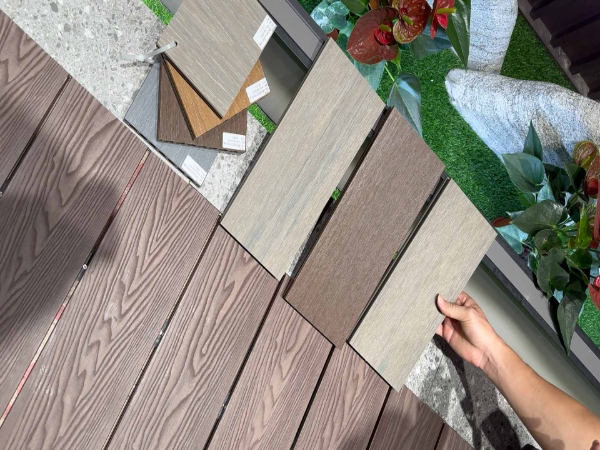
- Pick lighter colors for your WPC decking. These shades bounce back sunlight instead of pulling it in.
- Add good airflow around the area. This lets hot air move away so the surface does not build up too much warmth.
- Place outdoor rugs or covers on the deck during the hottest hours. They block some sun and protect the top from extra heat.
These small changes can make a big difference on hot days.
Now that you know how to handle heat, let us look at another common trouble that can change how your deck looks over time.
WPC Flooring Fading: Causes and Prevention
Fading is another usual issue with outdoor WPC flooring. The bright sun can slowly make the color less bright. This change hurts the nice look of your deck, but you can stop it with a few simple actions.
Why Does WPC Flooring Fade?
Fading is another usual issue with outdoor WPC flooring. The bright sun can slowly make the color less bright. This change hurts the nice look of your deck.
UV rays from sunlight break down the colors inside the material. Darker shades show this fading more quickly. Long hours of direct sun make the problem happen faster.
How to Prevent WPC Flooring from Fading
You can protect the color with a few simple actions.
- Choose WPC decking that already has UV-resistant coatings. If yours does not, add a protective sealant yourself. It helps the color stay strong longer.
- Put up shade structures like pergolas or umbrellas. These cut down direct sun and keep the deck looking fresh.
- Clean the surface often. Removing dirt and leaves stops buildup that makes fading stand out more.
With these steps your deck will keep its fresh look for a long time.
After thinking about color loss, it is good to consider moisture problems that can appear in wet places.
WPC Flooring Mold and Mildew: Causes and Prevention
High-Quality WPC Flooring Is Virtually Immune to Mold
WPC flooring is “tailor-made” for outdoor environments; one of its core advantages is its resistance to mold and moisture. Unlike traditional solid wood flooring—which is prone to absorbing water, molding, and rotting—WPC flooring contains a significant proportion of plastic components. Consequently, it does not absorb water, thereby eliminating the conditions necessary for mold growth at the very source.
Why is WPC flooring resistant to mold?
WPC stands for Wood-Plastic Composite—simply put, it is a combination of “wood + plastic.”
Water Resistance is Intrinsic: The plastic components ensure the flooring does not absorb water. Even in hot, humid, and rainy climates like Singapore, or when installed in damp areas such as balconies and poolside decks, rainwater struggles to penetrate the material. Precise Formulation: High-quality WPC flooring incorporates additives—such as anti-mold agents—during the manufacturing process to further enhance its mold-resistant properties. Splash Test: Some users have conducted direct splash tests on installed WPC flooring; water droplets merely rest briefly on the surface before sliding off. Neither the surface nor the underside of the flooring showed any signs of water seepage or mold growth, and the structural integrity remained stable.
Where do mold risks originate?
Although WPC material itself is mold-resistant, selecting the wrong product or improper installation can still create hidden vulnerabilities.
Inferior Products Are a Pitfall: Some WPC flooring products sold at excessively low prices may utilize an excessive amount of stone powder filler to cut costs, resulting in an insufficient ratio of wood powder and high-quality plastic. The performance of such flooring is severely compromised; when exposed to the damp conditions of the rainy season, it becomes highly susceptible to accelerated mold growth, cracking, and deformation. Installation Details Determine Success: If proper drainage is not established during installation—for instance, by failing to leave adequate drainage gaps or expansion joints—stagnant water may accumulate beneath the flooring over time, thereby increasing the risk of mold formation.
WPC Flooring Slipping: Causes and Prevention
Regarding the slip resistance of WPC outdoor flooring, you can rest assured that this factor is integral to its design; it demonstrates excellent anti-slip performance, particularly in wet environments.
Why is WPC flooring slip-resistant?
Increased Grip When Wet: The surfaces of many WPC flooring products undergo a special treatment; when water is applied, they actually become grippier, thereby enhancing their slip resistance—a significant advantage for households with elderly members or young children.
Surface Texture: To mimic the quality of real wood, WPC flooring is typically designed with natural wood grain patterns or textured surfaces. These subtle grooves effectively increase underfoot friction, thereby preventing slips.
Surface Texture: To mimic the texture of real wood, WPC flooring is typically designed with natural wood grain patterns or textured surfaces. These subtle grooves effectively increase underfoot friction, thereby preventing slips.
Resistant to moss growth: Unlike traditional wooden floors, WPC (Wood-Based Composite) is a composite material that resists fungal and moss growth, thereby enhancing slip resistance.
Precautions for Use and Selection
While WPC flooring provides reliable slip resistance, several key considerations should be noted during selection and installation: Opt for textured designs. When purchasing, prioritize models with distinct wood grain patterns or textured surfaces, as these types of flooring deliver superior anti-slip performance.
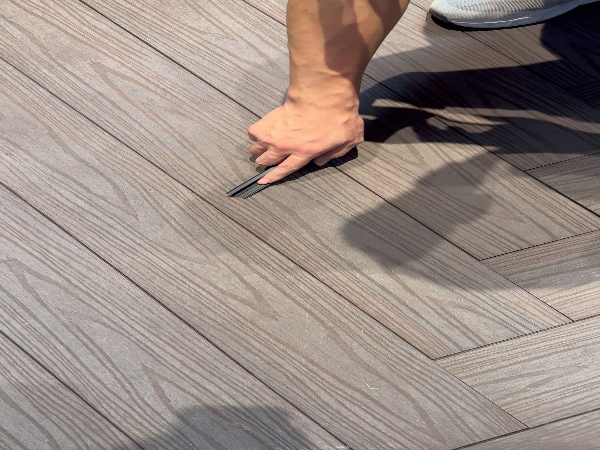
Install drainage gaps: To prevent rainwater accumulation, drainage gaps should be reserved under the floor during installation to maintain dryness at the base and reduce the risk of slips caused by water accumulation.
WPC Decking Maintenance: Best Practices for Longevity
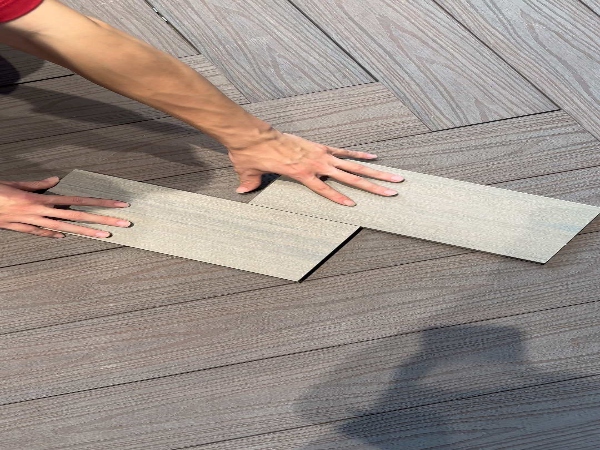
Taking care of your WPC decking is the best way to make it last. A few easy habits stop the problems we just talked about. They also keep the surface looking fresh and strong.
WPC Decking Maintenance Tips
- Sweep the deck often to clear dirt and bits of leaves. Then wash it with mild soap and water to stop stains or mold from starting.
- Look over the boards now and then for cracks or loose pieces. Fix any damage right away so it does not get bigger.
- Put on new protective coatings every couple of years if your product needs them. This keeps UV and mold protection working well.
- Stay away from strong chemicals or rough brushes when you clean. They can scratch the surface and cause extra wear over time.
Good care like this saves you time and money later.
Foshan Sincere Building Materials Co., Ltd. – Your Trusted WPC Flooring Supplier
Foshan Sincere Building Materials Co., Ltd. is a top supplier of solid WPC flooring. The company focuses on strong products that look great and are kind to the earth. Their WPC decking stands up to sun, rain, and other outdoor challenges. At the same time it gives you a beautiful and easy-care choice instead of old-style wood.
Every piece is made with care so it meets top quality rules. You can use it for gardens, pool areas, or patios. The many styles fit whatever look you want. The team at Foshan Sincere Building Materials Co., Ltd. always offers friendly help and dependable goods. This support makes sure your outdoor project turns out right and lasts.
Conclusion
Outdoor WPC flooring is an excellent choice for creating a durable, attractive, and low-maintenance outdoor space. While issues such as overheating, fading, mold, and slipping may occur under certain conditions, they can be effectively minimized through proper product selection, correct installation, and regular maintenance.Putting money into good WPC flooring, right care, and steps to guard it will make the decking last longer. It will also make a safe and fun outdoor spot for you and your family.
FAQs
What causes WPC flooring to overheat?
WPC flooring can overheat because it takes in warmth well, mainly in darker shades. Poor airflow near the decking can also raise the top heat.
How can I prevent my WPC decking from fading?
To stop fading, pick WPC decking with coatings that fight UV rays. Put on guard layers, and add shade to cut straight sun contact.
How do I maintain my WPC decking?
Clean often, check for harm, and put on guard layers when needed. These steps keep your WPC decking in good shape. Stay away from strong chemicals to save the top.


