
Revolutionizing Architecture The Power of Flexible Stone for 3D and Curved Designs
2026-03-27
In today’s world of architecture, new ideas are very important. Fresh thinking is important too. They help designs stand out from others. New improvements in materials and building techniques give architects more options now. These options let them try new things. They can go beyond what was possible in design before. One big new material is flexible stone. It can be used in many ways. It is not heavy. It lasts long. It allows people to make complex 3D and curved designs real. This article explores how flexible stone changes architecture. It offers architects and designers a fresh world of possibilities.
What is Flexible Stone?
Flexible stone often gets called flexible stone veneer. It is a thin sheet of natural stone. This sheet can bend. It can wrap around curved surfaces too. Unlike traditional stone cladding, it is not rigid. It is not heavy either. Flexible stone provides the look of natural stone. It also provides the strength. But it has no bulk. It is a flexible architectural decorative surface material primarily composed of modified clay (MCM), formed through a specialized temperature-controlled molding system, followed by baking and irradiation cross-linking. The result keeps the beauty and texture of stone. But it can go on complex non-flat surfaces. These surfaces include curved walls. They include ceilings. They include other architectural features.
You see, this makes it special. It opens up new ways to build.
The Benefits of Flexible Stone in Architecture
Flexible stone has become a game changer in architectural design. Here are some key benefits it offers. These benefits help a lot.
Lightweight and Easy to Install
Flexible stone is much lighter than traditional stone. This reduces the burden on structural supports. The installation process becomes quicker. It also becomes less costly. You handle it easily because of this. So costs drop in many ways.
Versatility in Design
Flexible stone can be used in both interior and exterior applications. You can design a curved feature wall. You can design a unique ceiling too. Flexible stone can be shaped to fit a wide range of architectural styles. It works well almost anywhere.
Durability and Sustainability
Despite its thin and flexible nature, flexible stone retains the durability of natural stone. It resists wear and tear. It is good for the environment. It uses natural stone. It needs less energy to make than other construction materials. This choice helps the planet.
Enhanced Aesthetics
The natural textures and colors of stone add a nice look to any design. Flexible stone achieves the same high-end appeal as traditional stone cladding. It has the added bonus of being adaptable to various shapes and forms. Everything looks elegant this way.
Cost-Effective
Because flexible stone is lighter and easier to handle, it lowers transportation and labor costs. It saves money better. This happens when you compare it to traditional stone materials. Projects finish with less trouble overall.
Realizing 3D Designs with Flexible Stone
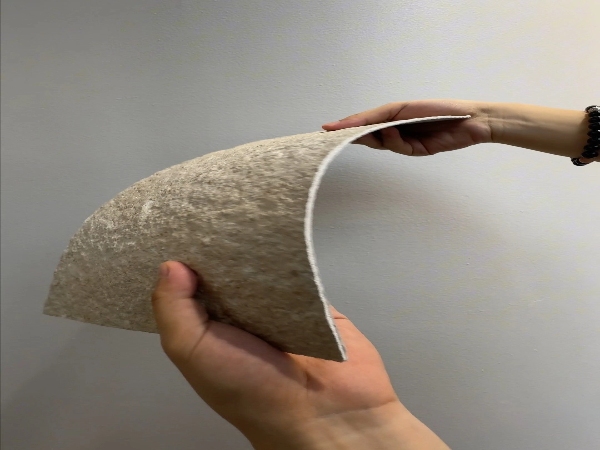
One of the most exciting aspects of flexible stone is its ability to bring 3D designs to life. Traditional stone cladding is often limited to flat surfaces. With flexible stone, designers can create complex three-dimensional features. These were once thought impossible. Architects can now design undulating walls. They can design intricate column designs. They can design multi-dimensional facades. These flow seamlessly. These 3D elements can integrate into both the interior and exterior of a building. They offer a modern and dynamic aesthetic.
Flexible stone makes it possible to apply natural stone to curved surfaces. Examples include domed ceilings. They include circular staircases. They include sculptural forms.
Applications of 3D Flexible Stone Designs
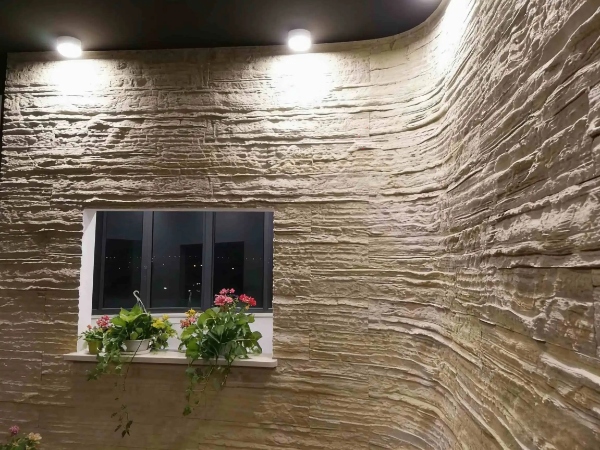
Flexible stone helps in many applications for 3D designs.
Curved Walls and Ceilings
Flexible stone allows designers to create curved walls and ceilings. These are often seen in modern architectural designs. You wrap flexible stone around the surface. This creates continuous smooth curves. There is no need for heavy bulky stone slabs. The look stays even and clean.
Sculptural Art Pieces
Flexible stone can create sculptural art pieces. These are both functional and visually striking. They can be incorporated into building facades. They can also be standalone pieces within interior spaces. People notice them right away.
Furnishings and Fixtures
Flexible stone is not limited to large-scale architectural features. It can create custom furniture pieces. Examples are stone-covered tables. Or curved benches. They bring a natural and elegant feel to interiors. Daily spaces gain a special touch.
Implementing Curved Designs in Architecture with Flexible Stone
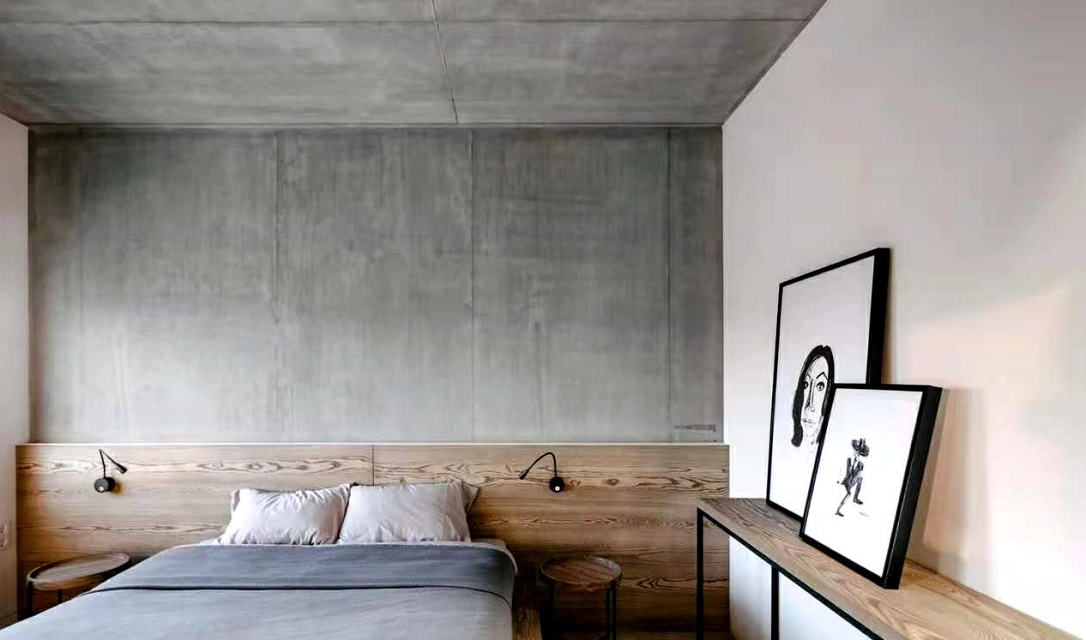
Curved designs are an important part of today’s architecture. They convey a sense of fluidity. They convey harmony. They convey sophistication. However, achieving smooth organic curves with traditional materials is challenging. These materials are like concrete or brick. Flexible stone has made it easier to incorporate curved shapes into architectural projects.
Architects use flexible stone sheets. They cover curved walls with them. They cover ceilings. The material conforms easily to the shape of the surface. It provides a seamless natural stone finish. This is valuable in creating unique custom designs. These designs enhance the overall aesthetic appeal of a space.
Consider the design of a modern luxury hotel. It has a sweeping curved lobby. The lobby features smooth flowing walls. Traditional stone cladding would be difficult to install on such a surface. Flexible stone allows for a seamless application. The use of flexible stone achieves the desired aesthetic. It also makes the installation process faster. It makes it cheaper overall. It provides a high-end look. It does not compromise on performance. The hotel feels special and modern.
Challenges and Considerations When Using Flexible Stone
Flexible stone offers many benefits. But there are a few challenges to consider. These come when incorporating it into architectural designs.
Surface Preparation
Flexible stone needs a smooth and stable surface to adhere to. In some cases the surface may need special preparation. This ensures proper adhesion. It also ensures long-term durability. The prep work takes a little time but pays off.
Customization and Design Limitations
Although flexible stone is highly versatile, it is essential to work with experienced professionals. They help customize the design. They ensure proper installation. Their help avoids mistakes later.
Material Compatibility
When combining flexible stone with other materials careful consideration is needed. These materials include metal or glass. Make sure the materials complement each other. They should not negatively impact the overall design. Good matches keep everything looking great.
Foshan Sincere Building Materials Co., Ltd. – A Leading Supplier of Flexible Stone
Foshan Sincere Building Materials Co., Ltd. is a leading supplier of flexible stone products. They offer high-quality natural stone veneers. These are lightweight and durable. Their flexible stone veneers are designed to meet the needs of modern architects. They enable the realization of intricate 3D and curved designs. With a commitment to innovation and sustainability, Sincere Building Materials continues to provide architects with the tools they need. These tools create stunning architectural features. They push the boundaries of design. This company stands out for its reliable products and focus on quality.
Conclusion
Flexible stone changes greatly the way architects approach 3D and curved designs. Its many uses, strength, and nice look make it a valuable material for modern architectural projects. Whether used for creating dramatic facades, curved walls, or sculptural elements, flexible stone allows architects to explore new design possibilities. They maintain the elegance and natural beauty of stone. As the demand for more innovative, sustainable, and money-saving materials continues to rise, flexible stone is poised to become an essential component of contemporary architecture.
FAQs
1. What is flexible stone and how is it different from traditional stone?
Flexible stone is a thin-layer finish primarily made from modified clay (MCM) as the main raw material. It bonds to a flexible backing material. This makes it lighter. It makes it more adaptable than traditional stone. It can be applied to curved and 3D surfaces. It offers the aesthetic of stone. But it has no weight. The difference is clear in daily use.
2. Can flexible stone be used for both interior and exterior designs?
Yes. Flexible stone is versatile. It can be used in both interior and exterior applications. It is perfect for a wide range of architectural features. These features are walls, ceilings, and facades. You get options everywhere.
3. How is flexible stone installed?
Flexible stone is installed by adhering it to smooth stable surfaces. Professional installers ensure proper placement. This ensures a seamless finish. Its lightweight nature makes it easier to handle. It is easier to install compared to traditional stone materials. The steps feel simple with practice.
4. Is flexible stone durable?
Yes. Flexible stone retains the durability of natural stone. It is resistant to wear and tear. It is a long-lasting material. It is ideal for high-traffic areas or outdoor installations. It holds up well over time.
5. Is flexible stone eco-friendly?
Yes. Flexible stone is made from natural materials. It has a lower environmental impact during production. This is compared to other building materials. It is a sustainable choice for architects. They look to reduce their environmental footprint. Many people pick it for this reason.


